Prof Ikechukwu
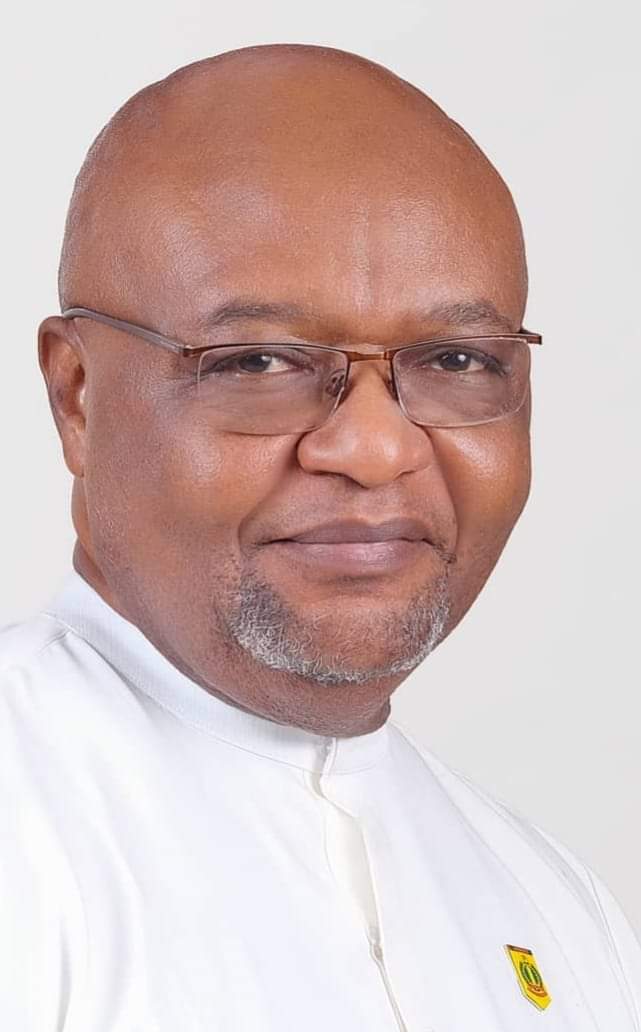
Renowned public affairs commentator and Executive Director of Development Specs Academy, Prof. Okey Ikechukwu, has criticised those now identifying themselves as friends and associates of the late Major-General Rabe Abubakar (retd.), accusing them of failing to rally around the former military spokesman when he needed support most.
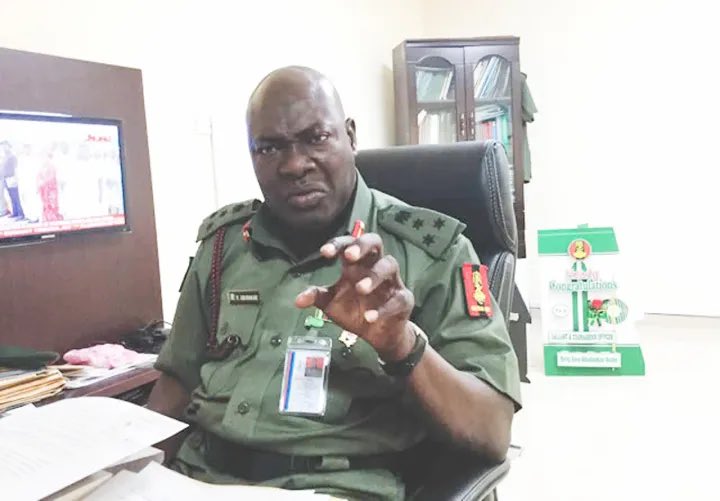
Major-General Abubakar, a former Director of Defence Information (DDI), was abducted alongside his wife, Hajiya Amina Rabe Abubakar, on May 30, 2026, when armed bandits ambushed their vehicle along the Marabar Musawa–Kafinsoli Road near Zakin Baure village in Matazu Local Government Area of Katsina State. He died last week while still in captivity, while his wife was later rescued by security operatives and is currently recuperating at an undisclosed medical facility.
Ikechukwu was reacting to media reports on a conference recently organised by retired military officers described as associates of the deceased general. At the gathering, the officers reportedly called for comprehensive reforms of Nigeria’s security architecture in the wake of Abubakar’s death.
In a statement entitled “Thoughts on a Questionable Conference,” the public affairs analyst questioned the timing, purpose and implications of the event, asking what exactly the organisers hoped to achieve.
“Where were these friends of Rabe from the moment he was kidnapped until his unfortunate demise?” he asked. “That was when he needed them most, assuming there was anything in the form of material intervention that could have ameliorated the situation.”
“We did not see his now-visible friends in public in some form of mobilisation, evident engagement with the authorities, or any structured interventions on his behalf. Then, all of a sudden, they were talking about stronger security institutions without telling anyone exactly what they meant by that,” he stated.
Ikechukwu further argued that it was disturbing for senior military officers, serving or retired, to resort to what he described as the familiar and often vague rhetoric about “security architecture” that has dominated public discourse over the last 15 years.
He maintained that the more meaningful response would have been to stand by a colleague while there was still an opportunity to influence events.
“If these retired officers undertook significant efforts behind the scenes, it might have made a difference. So, if anything, they owe the public an explanation. What they were doing from the moment the news broke is not in the public domain. Their sudden, organised emergence after the General’s death inevitably raised questions and invites scrutiny,” he said.
The analyst noted that the conference was held after Abubakar had died and after his wife had already been rescued through the efforts of security agencies.
“So, what practical purpose was served by the conference? Was it to organise his funeral or mobilise support for his wife and family? The conference offered little indication of any concrete supportive initiatives or ideas,” he said.
He wondered why, if the event was intended to honour the late officer’s memory, discussions quickly drifted into broader political narratives that appeared only remotely connected to the tragedy.
“What was particularly striking,” he said, “was how quickly attention shifted from General Abubakar to arguments about regional perceptions of insecurity, selective outrage and the politics surrounding security discourse.”
Referring to a media report headlined, “Stop Blaming North for Insecurity, Retired Generals Tell Nigerians,” Ikechukwu said the development raised an uncomfortable but unavoidable question.
“Was the conference truly about General Abubakar, or was his death merely the occasion for advancing pre-existing and as-yet-unclear narratives and motives?” he asked.
He said many Nigerians would have expected such a gathering to focus on the late general’s life and service, lessons from his ordeal, support for his family and recognition of those who contributed to the rescue of his wife.
“What makes the episode even more surprising is the calibre of the individuals involved,” he said. “These are not ordinary citizens unfamiliar with matters of statecraft, public policy, security management or strategic communication. They are men who have occupied important public offices, served at strategic levels of national responsibility and participated in shaping public affairs.”
He noted that several of those involved also hailed from the same state as the late general and should therefore have appreciated the emotional and personal dimensions of the tragedy.
“Indeed, many Nigerians may feel that if the late general could speak today, he would be deeply disappointed that individuals claiming to be his friends found their voices only after his death. At a time when solidarity, advocacy and collective action might have mattered most, there was little public sign of such efforts,” he said.
According to him, the tragedy lies not only in the death of a distinguished officer but also in the apparent absence of those who now profess friendship during the period when such friendship was needed most.
“Until convincing answers are provided,” Ikechukwu concluded, “many will continue to view the conference as an exercise that came too late, achieved little, attempted to politicise security and raised more questions than it resolved.
“It is a sad irony that a gathering purportedly organised in honour of a fallen officer may ultimately be remembered less for celebrating his life and service than for raising troubling questions about the judgment, timing and motives of those who claimed to speak in his name.”