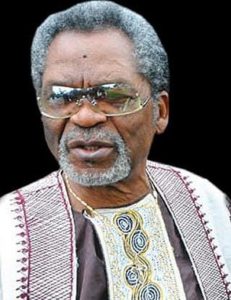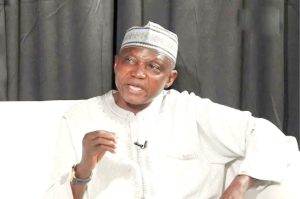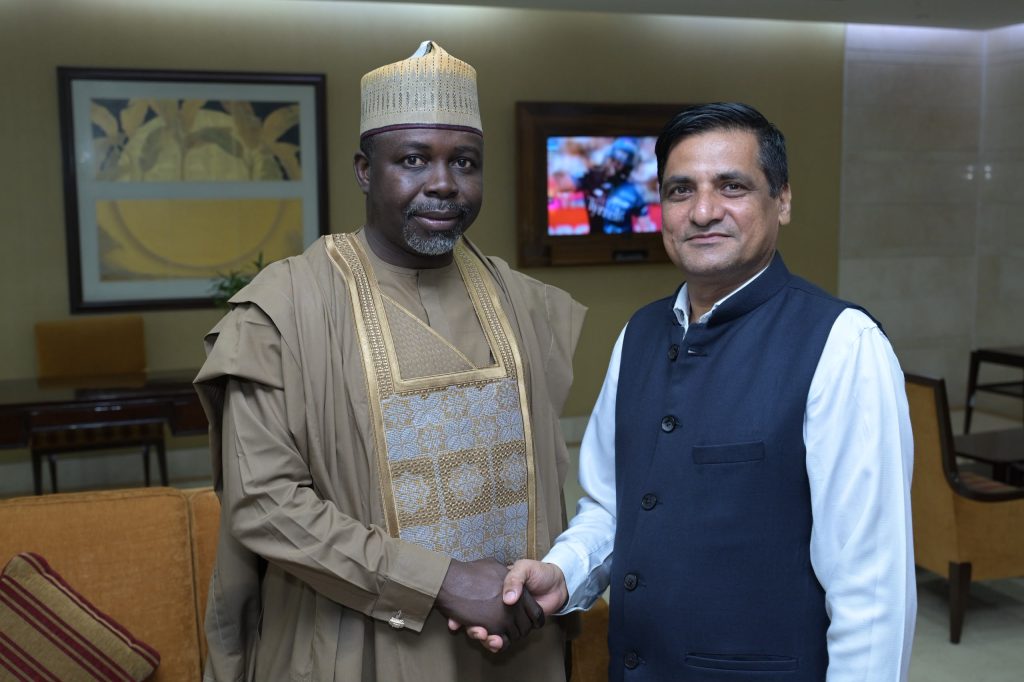
There is a particular quality that seasoned diplomats carry with them from posting to posting, a composure earned through years of navigating negotiating tables, crisis rooms, and quiet backchannel conversations across continents. Nigeria’s newly appointed High Commissioner to the Republic of India, Ambassador Saidu Dahiru Muhammad, carries that quality unmistakably as he resumes active diplomatic duty, this time at the helm of Nigeria’s mission in India. For a career officer who has already represented his country across multiple postings and forums, this is not a debut. It is a return to the field by a diplomat who knows exactly what the work demands.
His arrival in New Delhi marks the beginning of a new chapter in one of Nigeria’s more consequential bilateral relationships, one built over decades on trade, energy, education, and a shared instinct among developing world democracies to cooperate rather than compete for influence. That High Commissioner Muhammad has been entrusted with this posting speaks to the depth of experience he brings and to how seriously Abuja regards the India relationship at this moment.
What distinguishes Ambassador Muhammad is not simply the length of his service but its breadth. Across a career spent inside Nigeria’s Ministry of Foreign Affairs and at missions abroad, he has done the unglamorous, essential work of diplomacy: sitting across the table in bilateral negotiations, representing Nigeria’s interests in multilateral forums, and lending his hand to peace-building efforts on a continent that has needed steady, credible interlocutors.
That temperament, patient and deliberate, is precisely what a posting like India rewards. It is not a relationship that moves in dramatic headlines. It moves in trade figures, energy deals, education partnerships, and the thousands of quieter interactions between two societies that have long found more in common than in conflict.
Nigeria and India are not new acquaintances. Bilateral trade has grown substantially in recent years, with India firmly established as one of Nigeria’s most significant trading partners, particularly around energy. As the world’s largest democracy and Africa’s most populous nation, respectively, both countries occupy outsized positions in conversations about the future of the Global South, on trade architecture, on climate finance, and on reforming institutions that were built for a different century.
Ambassador Muhammad steps into this relationship at a moment when both governments have signalled an appetite for going further: expanding beyond energy into technology, agriculture, health, and renewable power; deepening academic and cultural exchange; and building the kind of people-to-people ties that outlast any single administration. He also inherits a practical responsibility that matters immensely to the diaspora: the welfare and interests of the many Nigerians living and working across India, who will look to the High Commission for support and representation.
Nigeria looks forward to Ambassador Muhammad leaning into the parts of the job his career has prepared him for best: quiet coalition-building with Indian business leaders and government counterparts; careful attention to the Nigerian community on the ground; and a steady hand on the sectors – energy, technology, agriculture, health, and security – where both nations have the most to gain from each other.
Nigeria-India relations rarely make dramatic headlines, but their trajectory matters a great deal to both economies. With an experienced hand now back in the field, the relationship enters this next phase with continuity, credibility, and a diplomat who has done this work before.