By SADIQ ABUBAKAR, Maiduguri –
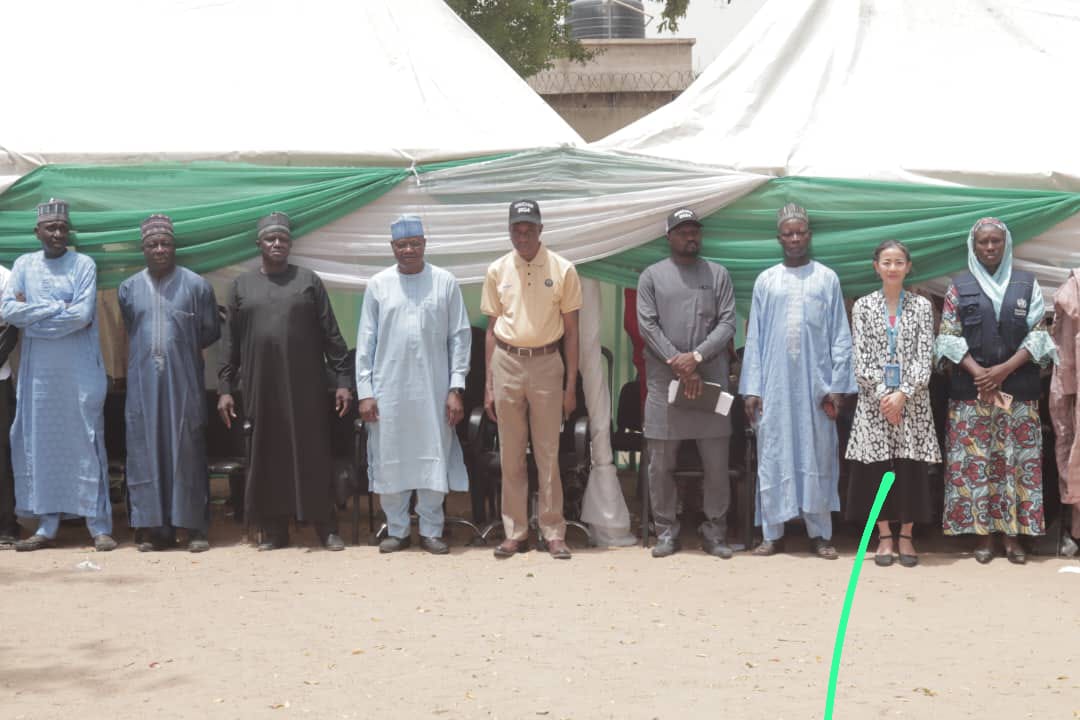
The Borno State Government, in collaboration with the World Health Organization (WHO), have launched the 2024 Maternal, Newborn and Child Health Week (MMCHW) with the establishment of 488 sites across the 27 local government areas of the state.
The initiative aims to provide high-impact interventions to reduce maternal, neonatal, and child mortality.
Speaking at the launch, Executive Secretary of the Borno Primary Health Care Development Agency (SPHCDA), Prof. Mohammed Alhaji Arab, emphasized the importance of the health week in accelerating healthcare delivery services.
Prof. Arab said the essence of the health week was to accelerate the delivery of a minimum package of high-impact interventions that would contribute to the reduction of maternal, neonatal and child mortality.
He said: “It’s a bi-annual campaign that takes place in the 1st 6 months (Round 1) and the 2nd 6 months (Round 2) of the year respectively. This year’s Round 1 activity will run consecutively for five days from 10th to 14th June.
“The services to be provided include antenatal care, deworming, HIV testing and counseling, vitamin A supplement, health promotion, immunisation and birth registration.
“There is also distribution of Sulphadoxine-pyrimethamine and long-lasting insecticide net and iron folate for pregnant women,” .
WHO Public Health Officer, Dr. Aisha Kadai, urged stakeholders to take advantage of the week to increase coverage and update services across Borno.
She highlighted WHO’s support, including the mobilization of human resources and medical supplies, to reach hard-to-reach areas.
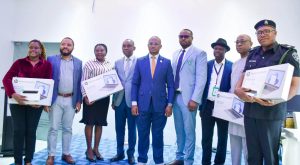
“WHO is working with Borno SPHCDA in prioritisation of maternal, newborn and child health. In addition, the World Health Organization with funding support from the United States Agency for International Development/Bureau for Humanitarian Aid (USAID/BHA) donated assorted medical consumables.
“Others include 50 kits of IEHK Basic Malaria Module, 50 Tin of 200,000 International Unit of Vitamin A (25,000 doses), among others . This is part of the efforts to ensure quality services are provided to the people including those in hard to reach locations.
“These activities are instrumental to achieving the state 25 years Development Framework, the 10 years Strategic Transformation Plan as well as the SDGs,” Dr. Kadai said.