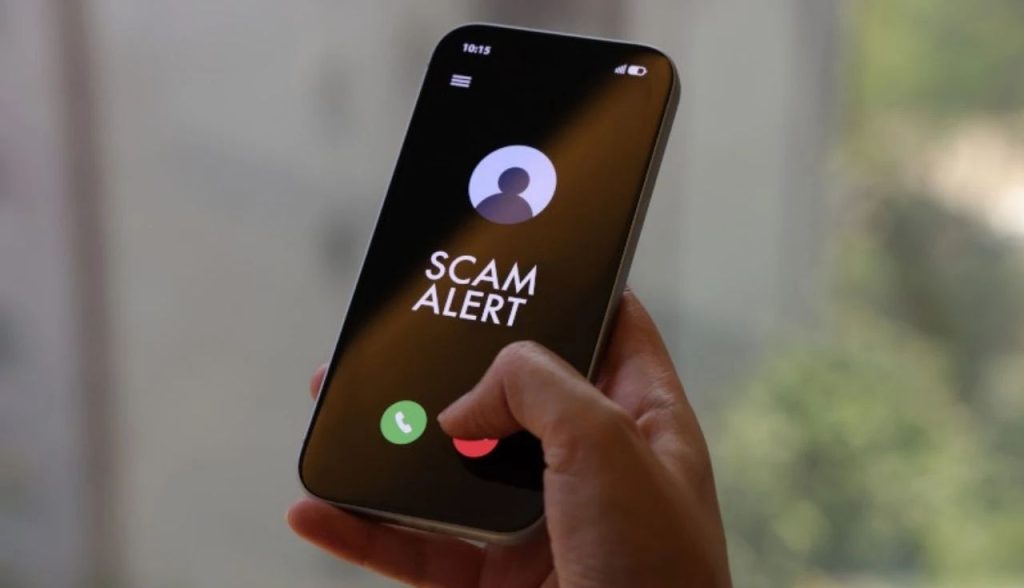
It begins with a message so ordinary you hardly pause to question it.
“Your bank account has been restricted. Click here to verify your details.”
Or maybe it’s a WhatsApp message from an old schoolmate raving about an investment platform that “just doubled my money.” Perhaps it’s a LinkedIn offer for a dream job at a multinational company, or a simple “Hello” from an attractive stranger on Facebook.
Within minutes, an account is drained, an identity is stolen, or a life’s savings disappear.
The real tragedy isn’t just that these scams exist, as criminals have always been with us. The tragedy is that millions of smart, educated internet users walk into these digital traps every single day.
The Psychology Behind the Trap
Nigeria’s digital economy is booming. We bank, shop, invest, and run entire enterprises straight from our smartphones. But every new convenience creates a fresh doorway for cybercriminals.
Today’s scammers aren’t just sending poorly typed emails from dark rooms; they are studying human psychology. Security experts call it social engineering – manipulating people rather than hacking code. They exploit five universal human triggers:
•Fear
•Greed
•Urgency
•Loneliness
•Trust
In modern cybersecurity, the weakest link is rarely the technology. It’s human behavior.
Why Intelligent People Fall for Scams
Why do smart people keep falling for these tricks? Because scams rarely look like scams. They look like opportunity, authority, or friendship.
•A spoofed banking portal looks identical to the real platform.
•A fraudster may already know your full name, employer, and relatives through data harvested from your public social profiles.
•A fake recruiter will conduct three rounds of convincing interviews before quietly requesting a “documentation fee.”
When urgency meets emotional pressure, logic takes a backseat. Scammers know this, which is why almost every scam relies on the exact same formula: Urgency + Secrecy + Emotional Pressure.
The High Stakes: Beyond Financial Loss
The damage stretches far beyond personal bank accounts:
•Economic Stagnation: Victims lose trust in local e-commerce and digital financial tools.
•Emotional Trauma: Families suffer deep shame, anxiety, and heartbreak.
•Global Reputation: Widespread fraud casts suspicion on legitimate Nigerian freelancers, founders, and remote workers trying to access global markets.
The Regulatory Gap: Firefighters Arriving After the House Burns
While individual caution is critical, regulators and institutions cannot escape accountability. Too often, public warnings arrive only after thousands have already lost their hard-earned money. Official cybersecurity awareness is usually reactive, relegated to occasional press statements or buried PDF advisories.
Imagine if health authorities only warned citizens about a dangerous virus long after a pandemic swept the country. That is effectively how serious cyber threats are handled today.
While agencies like the NPF National Cybercrime Centre (NPF-NCCC) have expanded reporting systems, these tools lack the mass public visibility needed to prevent crime before it happens.
The Survival Playbook: Defense at Every Level
Fixing this requires a multi-layered defense system across every level of society:
1. Government & Regulators*
•Real-Time Broadcasts: Issue immediate scam alerts via SMS, radio, TV, and social media trending topics.
•School Curricula: Teach digital literacy and online safety in primary and secondary schools alongside basic computer skills.
2. Banks, Telcos & Tech Giants
•Mandatory Onboarding: Banks should require a brief, interactive safety prompt before activating digital banking apps for new users.
•Ad Monitoring: Social platforms must aggressively vet financial advertisements and ban impersonator accounts before they go live.
3. Individual Habits: The Golden Rules of Digital Survival
Consider this your core Digital Survival Toolkit. Before clicking any link or moving money, build the habit of taking a 10-second pause:
1.Verify Independently: Never use the phone numbers or links provided in a suspicious message. Go directly to official apps or websites.
2.Protect Your Keys: Never share your OTP (One-Time Password), PIN, or banking passwords with anyone, not even someone claiming to be your bank manager.
3.Enable 2FA: Turn on Two-Factor Authentication across all email, banking, and social media accounts.
4.Question Extreme Urgency: If a deal or situation requires immediate action “or else,” it is almost certainly a scam.
Safety Is a Life Skill
Cybersecurity is no longer an abstract topic for IT departments. It is a fundamental life skill.
The internet is our modern marketplace, classroom, and community square. We cannot abandon it out of fear, but we can no longer afford to treat digital safety as someone else’s job.
The next scam message is already sitting in an inbox somewhere, waiting to be opened. The only question is whether the person reading it will spot the trap before it’s too late.