By VICTOR CHIAHEMEN, Abuja
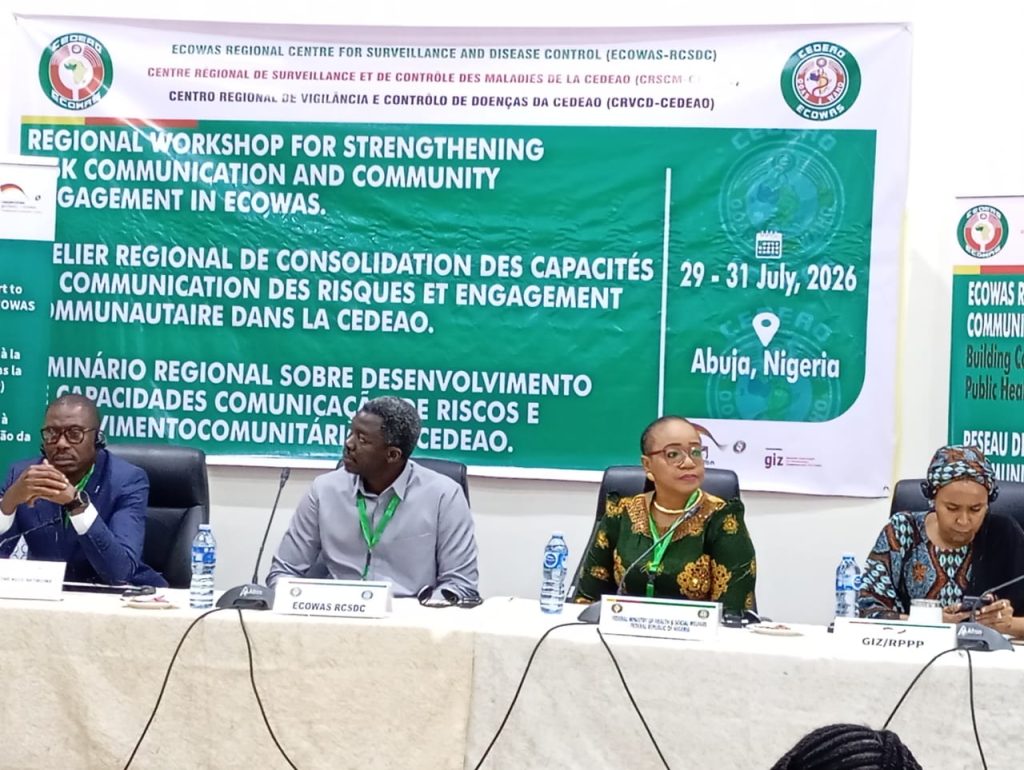
The Economic Community of West African States (ECOWAS) has launched a three-day regional workshop in Abuja to strengthen Risk Communication and Community Engagement (RCCE) systems across West Africa, reinforcing the region’s preparedness and response to public health emergencies amid growing health, environmental and socio-economic threats.
The workshop brings together government officials, public health experts, communication specialists and development partners to review existing regional strategies, evaluate country-level implementation and develop a sustainable Regional RCCE Roadmap for 2026–2027.
Declaring the workshop open on Wednesday, Executive Director of the ECOWAS Regional Centre for Surveillance and Disease Control (RCSDC), Dr. Mamadou Diarrassouba, warned that misinformation remains one of the greatest challenges during health emergencies, often spreading faster than diseases themselves.
Represented by the Head of Communication and RCCE Focal Point at the RCSDC under the West African Health Organization (WAHO), Dr. Babacar Fall, Diarrassouba said recent public health crises across West Africa had demonstrated that rumours, misinformation and public perceptions could amplify vulnerability and weaken emergency interventions.

“During a crisis, information circulates faster than the disease, but not always accurately,” he said. “Rumours, misinformation and perceptions can amplify vulnerability and undermine interventions.”
He stressed that Risk Communication and Community Engagement should no longer be viewed as supporting activities but as central pillars of effective emergency response.
“RCCE shapes public acceptance of response measures, strengthens collaboration with communities and improves the quality of public decision-making,” he said.
Against the backdrop of multiple regional risks—including health, environmental and socio-economic challenges—as well as the ongoing Ebola outbreak in parts of Central Africa, Diarrassouba said ECOWAS member states must ensure their RCCE systems are fully prepared, coordinated and operational.
“Readiness is not simply a declaration of intent,” he noted. “It requires tested tools, skilled personnel, effective coordination mechanisms and sustainable funding.”
According to him, the workshop forms part of the implementation of ECOWAS’ approved 2026 Action Plan and aligns with the RCSDC’s One Health strategy, which promotes integrated responses across human, animal and environmental health sectors.
He outlined three major objectives for the meeting: assessing RCCE preparedness across member states in light of the Ebola situation in Central Africa; identifying key challenges and practical solutions to strengthen regional coordination, community participation, rumour management, social listening and communication during periods of uncertainty; and updating the ECOWAS Regional RCCE Roadmap for 2026–2027.
The workshop will also review the Terms of Reference of the ECOWAS RCCE Network to improve collaboration among member states, facilitate knowledge sharing and strengthen mutual support mechanisms.
Diarrassouba described the gathering as an opportunity to review the achievements of the outgoing leadership of the regional RCCE network and elect a new management team.
He reaffirmed the RCSDC’s commitment to supporting member states in strengthening national capacities, harmonising communication tools, promoting cross-country learning, expanding training opportunities and advancing an RCCE approach founded on transparency, ethics, listening and respect for communities.
Also speaking, Director-General of the Nigerian Centre for Disease Control (NCDC), Dr. Olajide Idris, praised the ECOWAS RCSDC for its leadership in advancing regional health security.
Represented by the NCDC’s Head of Disease Prevention and Health Promotion, Dr. Tochi Okwor, Idris described the workshop as both timely and strategic.
He said the ECOWAS RCSDC’s mandate to harmonise disease surveillance, strengthen cross-border disease control and coordinate emergency responses remains critical to safeguarding the health of West Africans.
“As we confront active public health events, including the ongoing Ebola virus disease outbreak in Central Africa, we are reminded that community engagement remains our first line of defence,” he said.
Idris noted that Nigeria’s public health preparedness has benefited significantly from regional cooperation and multi-sectoral partnerships involving ECOWAS RCSDC, GIZ and other development partners.
He cited the recent launch of Nigeria’s national Ebola preparedness webinar series, supported by the RCSDC, as a successful example of regional collaboration.
The initiative, he explained, has helped bridge knowledge gaps, strengthen the capacity of frontline health workers and promote continuous engagement among health experts.
Beyond virtual training, Idris said collaborative efforts have focused on harmonising One Health communication strategies across the human, animal and environmental sectors, strengthening the National Risk Communication Technical Working Group, and empowering state-level structures and community leaders to combat misinformation and manage infodemics during health emergencies.
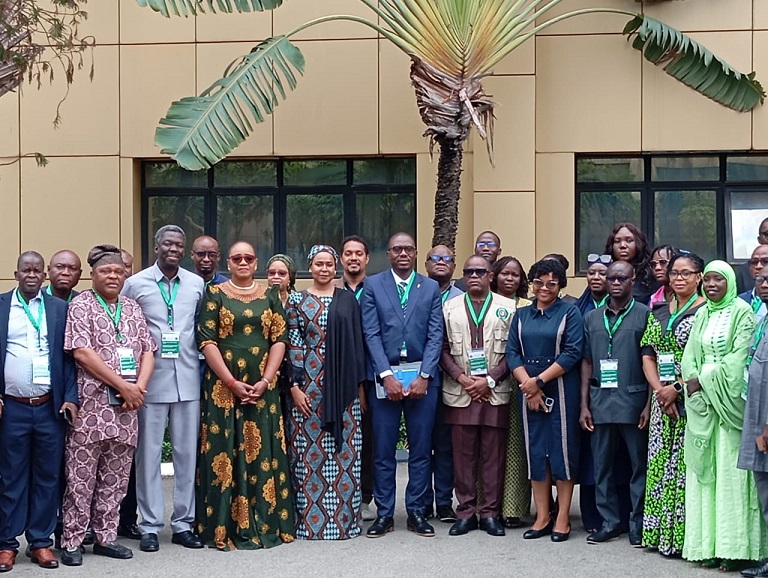
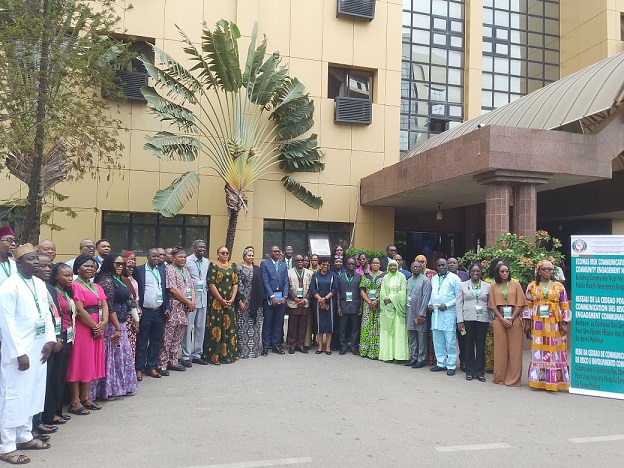
Other dignitaries at the opening ceremony included the Vice Secretary-General of the ECOWAS RCSDC Network and Head of Health Promotion in The Gambia, Michael Mendy; Project Coordinator of GIZ’s Regional Programme for Pandemic Preparedness, Mrs. Zanna Fatima Hussaini; President of the ECOWAS RCSDC Network and Guinea’s Head of Health Promotion, Dr. Moussa Soumah; and Dr. Tochi Okwor, representing both Nigeria’s Federal Ministry of Health and the NCDC.
Over the next three days, participants will explore practical strategies for strengthening collaboration between technical experts and communities while harmonising communication under the One Health framework to ensure coordinated responses to complex public health threats.
The meeting is expected to culminate in the adoption of a comprehensive 2026–2027 Regional Risk Communication and Community Engagement Roadmap that will provide a strategic framework for deeper community trust, stronger regional collaboration and greater resilience against future public health emergencies.
The workshop reflects growing recognition that Risk Communication and Community Engagement is indispensable throughout the mitigation, prevention, preparedness, response and recovery phases of public health emergencies, as provided under the International Health Regulations (2005).
Beyond coordinating emergency response efforts, RCCE enhances preparedness planning, capacity building and simulation exercises while ensuring timely information sharing among governments, health institutions and communities. These measures help reduce misinformation, build public trust, improve community participation and support informed decision-making.
Organisers said that although ECOWAS has made significant progress in strengthening RCCE capacities across the region through lessons learned from previous health crises, evolving public health, environmental and socio-economic threats make it imperative to continuously update regional tools, strategies and coordination mechanisms to sustain an effective emergency preparedness and response system.