Chairman of the Independent National Electoral Commission (INEC), Prof. Joash Amupitan has pledged that come 2027 election, the issue of Glitches as experienced in 2023 be eliminated.
This was even as he noted that that the 2027 general elections would be the best in Nigeria’s history, citing reforms introduced by the Electoral Act 2026.
He noted that glitches would not surface again, adding that while devices were tested in off-cycle state polls, they were not adequately stress-tested for nationwide transmission during the presidential election
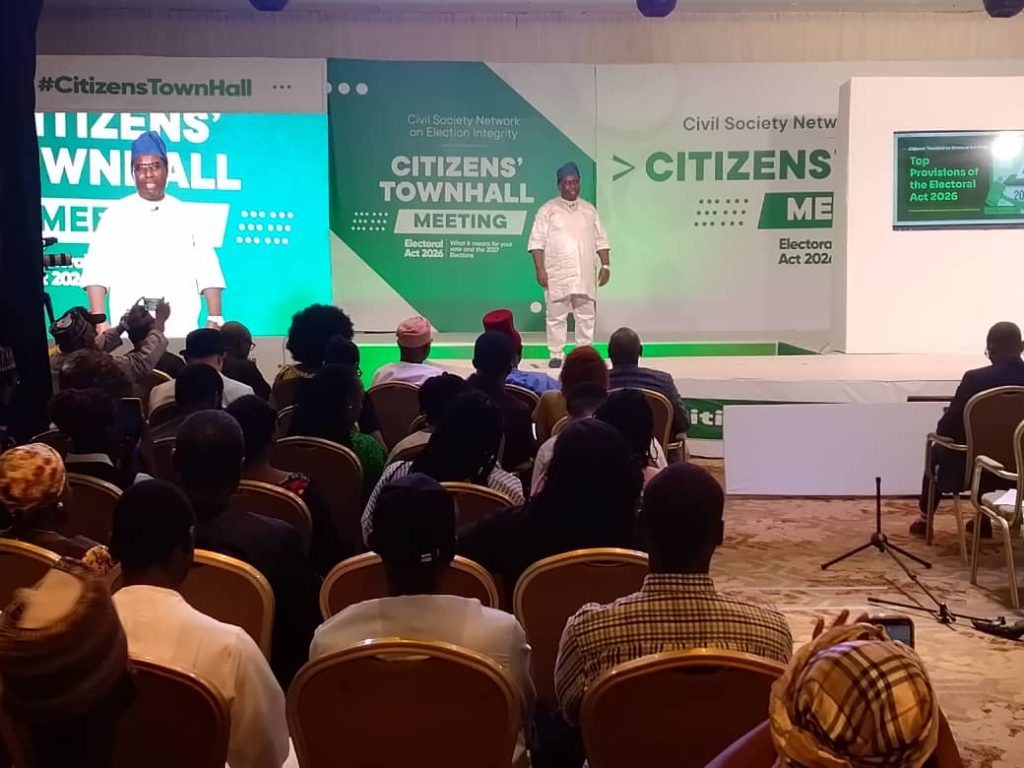
Speaking at a Citizens’ Town Hall Meeting themed at the “What It Means for Your Vote and the 2027 Elections,” organised by the Civil Society Network on Electoral Integrity at the weekend in Abuja, the INEC chairman described the new law as a major step toward restoring public trust, enhancing transparency, and strengthening democratic legitimacy.
Amupitan commended advocacy groups for helping citizens understand the provisions of the law, describing civic engagement as essential to democratic consolidation.
“Democracy — and elections in particular — is the lifeblood of democracy,” he said, quoting Abraham Lincoln: “The ballot is more powerful than the bullet,” while warning that voter ignorance poses a threat to national security.
Speaking on the concerns over the technical issues that affected the 2023 presidential election results transmission, Amupitan assured Nigerians that lessons have been learned.
“Glitches have been eliminated. By God’s grace, they will not surface again,” he said, noting that while devices were tested in off-cycle state polls, they were not adequately stress-tested for nationwide transmission during the presidential election.
He disclosed that extensive testing would be conducted before 2027 to ensure seamless inter-state transmission of results.
The INEC boss highlighted strengthened provisions for electronic transmission of results as one of the most significant features of the new law, revealing that INEC advocated for mandatory transmission during legislative consultations.
However, he cautioned against unrealistic expectations of real-time uploads, citing logistical and network challenges experienced even within the Federal Capital Territory. He recalled delays in result transmission from Kabir Ward in Kuje Area Council due to poor network connectivity and difficult terrain.
“Therefore what Nigeria needs is actually what I call a simple legislation, a simple language legislation whereby it will be possible for every Nigerian to understand and appreciate the provisions of every section”, he added.