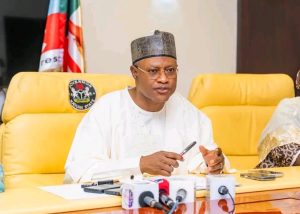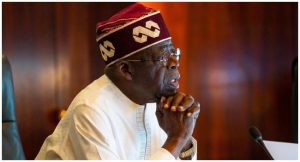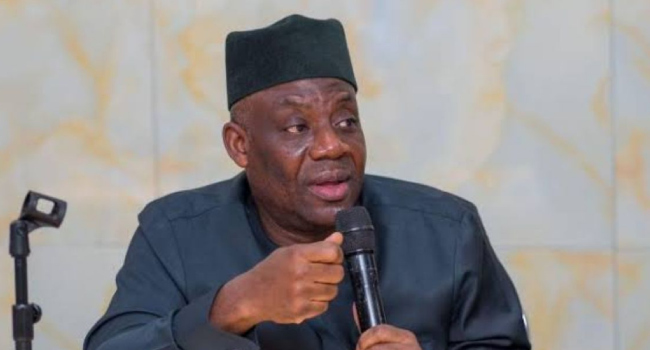
Minister of Education, Tunji Alausa
Federal Government has inaugurated the Universal Basic Education Commission (UBEC) Ministerial Implementation and Monitoring Committee for Smart Schools, Bilingual Schools and Alternative Schools as part of renewed efforts to ensure that educational investments across the country deliver tangible benefits to Nigerian children.
Speaking at the inauguration, the Minister of Education said the committee represents a major milestone in the Federal Government’s determination to transform basic education under the Renewed Hope Agenda of President Bola Tinubu.
He noted that education is now regarded not merely as a social service but as the foundation for building a productive economy, creating opportunities for young people, strengthening national unity and enhancing Nigeria’s global competitiveness.
The Minister expressed appreciation to President Tinubu for his unwavering commitment to education, describing the ongoing reforms in the sector as evidence of the administration’s resolve to reposition the nation’s education system.
He explained that UBEC has invested substantial public resources in establishing Smart Schools, Bilingual Schools and Alternative Schools nationwide.
The Minister said the Federal Ministry of Education is committed to measuring not only project outputs but also educational outcomes, insisting that the era of declaring projects completed on paper while they remain inaccessible to beneficiaries must come to an end.
The Minister charged members of the newly inaugurated committee to move beyond monitoring construction projects and ensure that every school becomes fully operational. He directed the committee to work closely with UBEC, State Governments, State Universal Basic Education Boards and contractors to complete unfinished projects, provide furniture and learning equipment, facilitate electricity, water and internet connectivity, deploy teachers where necessary, conclude the handover of completed schools and ensure that students are enrolled.
He maintained that the committee’s success would not be measured by the number of meetings held or reports written but by the number of schools that become functional and begin providing quality education to Nigerian children.
The Minister said the Federal Ministry of Education is committed to measuring not only project outputs but also educational outcomes, insisting that the era of declaring projects completed on paper while they remain inaccessible to beneficiaries must come to an end.
He commended the Minister of State for Education, Professor Suwaiba Said Ahmad, for her commitment to ensuring that every educational intervention delivers measurable impact, and also praised the Executive Secretary and management of UBEC for expanding access to quality basic education across the country.
Speaking at the inauguration, the Executive Secretary UBEC, Aisha Garba, emphasized that the Smart Schools initiative is designed to transform basic education through the integration of modern technology, digital learning tools, and innovative teaching methods. The Commission noted that effective monitoring is essential to achieving transparency, accountability, and value for public investment.
She urged the members of the committee to discharge their responsibilities with diligence, professionalism, and integrity, while collaborating with relevant stakeholders to ensure the successful implementation of the programme nationwide.
According to her, the inauguration of the committee underscores UBEC’s commitment to improving the quality of basic education and equipping Nigerian children with the digital skills and knowledge required to thrive in the 21st century.
In his acceptance speech, the Chairman of the 14 man committee , Prof Rashid Adewumi Aderinnoye appreciated the Federal Government for the confidence reposed in them.
He promised to give the assignment at hand the needed attention holistically and religiously.
Terms of reference to the committee include:
- Conduct a comprehensive assessment and verification of all Smart Schools, Bilingual Schools and Alternative Schools projects nationwide.
IL. Work to ensure the full completion of all uncompleted structures and associated facilities within agreed timelines.
III. Liaise with contractors, consultants, State Governments, SUBEBs and all relevant authorities to resolve all bottlenecks hindering project completion and operationalization.
IV. Ensure that all completed schools are formally handed over to the relevant State Ministry of Education and integrated into the respective state school systems.
V. Ensure the full operationalization of all completed projects, including furnishing, installation of equipment, provision of utilities, staffing requirements, recruitment/deployment of teachers and commencement of academic activities.
VI. Develop and implement a monitoring and reporting framework for tracking implementation progress and operational readiness.
VII. Ensure that all Smart Schools are fully equipped and functional in line with the Federal Government’s smart education objectives.
VIII. Ensure that all Bilingual Schools are adequately prepared with the required Instructional resources and staffing requirements.
IX. Ensure that all Alternative Schools effectively support access to education for vulnerable and underserved learners, especially girls and out-of-school children.
X. Engage communities and relevant stakeholders to ensure ownership, security and sustainability of the projects.
XI. Submit Quarterly implementation and monitoring reports to the Honourable Minister of Education, Honourable Minister of State for Education, and the Executive Secretary of UBEC.
XII. Ensure that the assignment of the Team shall only be deemed completed upon the successful handover, admission of students and commencement of full academic activities in each respective schools among others.