Director of Public Prosecutions (DPP) in Sokoto State, Barrister Aishatu Kaoje, has expressed concern that inadequate sentencing of offenders is weakening efforts to curb gender-based violence (GBV) in the state despite existing legal frameworks.
According to her, Sokoto has both the Violence Against Persons Prohibition (VAPP) Law and the Child Protection Law, which provide adequate legal provisions to address violence against women and children. However, she lamented that the failure to impose appropriate punishments on offenders has continued to frustrate the fight against GBV.
Barrister Kaoje stated that greater commitment by institutions responsible for enforcing and prosecuting cases would significantly improve the safety of residents.
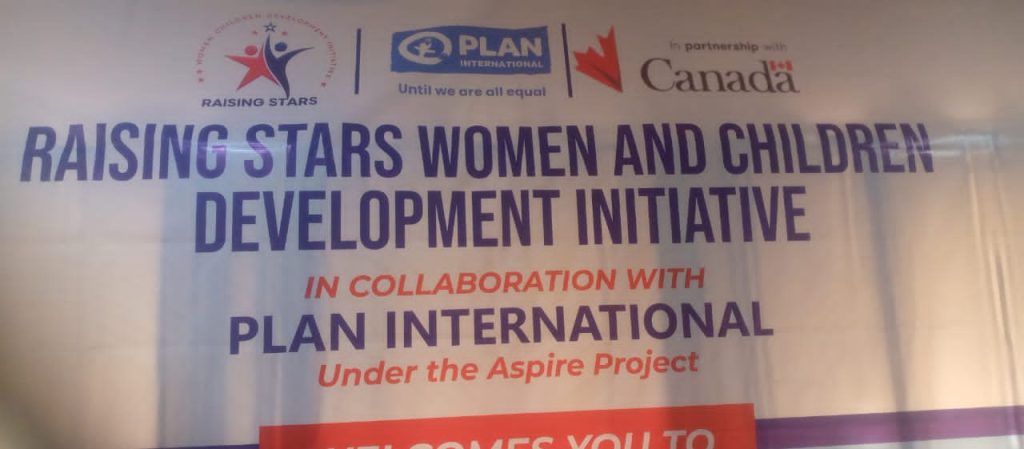
She spoke during a one-day roundtable workshop organised by the Rising Stars Women and Children Development Initiative (RSWCDI) in collaboration with Plan International under the Aspire Project.
The workshop, themed: _“Strengthening the Implementation of the VAPP Law 2021 and the Sokoto State Child Protection Law,”_ brought together judicial officers, legal practitioners, civil society organisations and other stakeholders to discuss ways of strengthening the enforcement of laws protecting women and children.
The DPP stressed that stronger collaboration among stakeholders and effective implementation of both the VAPP Law and the Sokoto State Child Protection Law would help create safer communities across the state.
Speaking on the Child Protection Law, Kaoje explained that the legislation came into effect on November 22, 2021, with provisions focusing on the protection, care, supervision, support and guardianship of children.
She specifically referred to Section 26 of the law, which prescribes life imprisonment for anyone convicted of rape, but noted that such penalties are rarely imposed.
“The Sokoto Child Protection Law is faced with weak evidence gathering, late medical report, relocation of witnesses, insecurity, settlement outside judicial system, weak case management system, lack of court sensitization, lack of forensic labs or facilities to conduct DNA, inadequate sentences as well as lack of accelerated hearing, and non implementation of compensation for survivors,” she said.
Earlier, the Programme Manager of RSWCDI, Barrister Margaret Bala Nggada, said the Aspire Project seeks to strengthen partnerships among stakeholders in protecting women and children from violence.
She said the initiative promotes sustained public awareness, improved support for survivors, stronger policy implementation and accountability, effective monitoring of law enforcement, as well as greater community participation.
According to her, effective collaboration backed by strong legal enforcement remains the key to ensuring lasting protection for women and children in Sokoto State.
Responding to concerns over alleged leniency in sentencing, Justice Abubakar Adamu of the Sokoto State High Court explained that court decisions are largely guided by the specific offences contained in the charges presented before the court.
On the issue of compensation for survivors, Justice Adamu said courts often face challenges awarding compensation where prosecutors fail to make formal applications.
“Issue of compensation should not be left to the discretion of the Court rather the prosecuting council should apply for such to guide the Court appropriately,” he said.
The roundtable ended with renewed calls for stronger enforcement of existing laws, improved prosecution of offenders and enhanced collaboration among justice sector institutions to strengthen the fight against gender-based violence in Sokoto State.