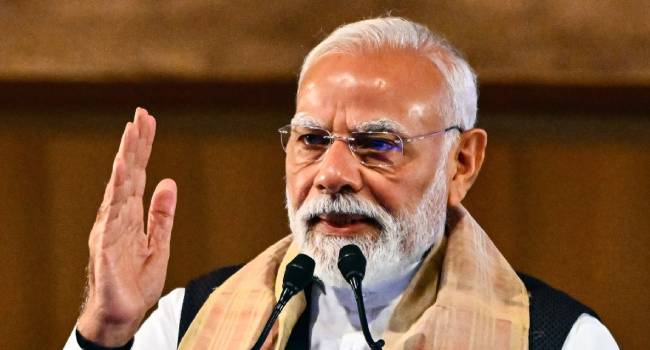
Indian Prime Minister, Narendra Modi
India is still feeling the impact of the youth-led “Cockroach” protest movement, which forced the resignation of the country’s education minister on July 25.
The demonstrations began over widespread exam paper leaks but quickly grew into nationwide protests against unemployment, limited opportunities for young people and concerns about governance under Prime Minister Narendra Modi.
Although the major protests have eased after some of their demands were met, the movement continues to influence public debate.
The government has increased penalties for exam paper leaks and dropped cases against many protesters following criticism over the use of force.
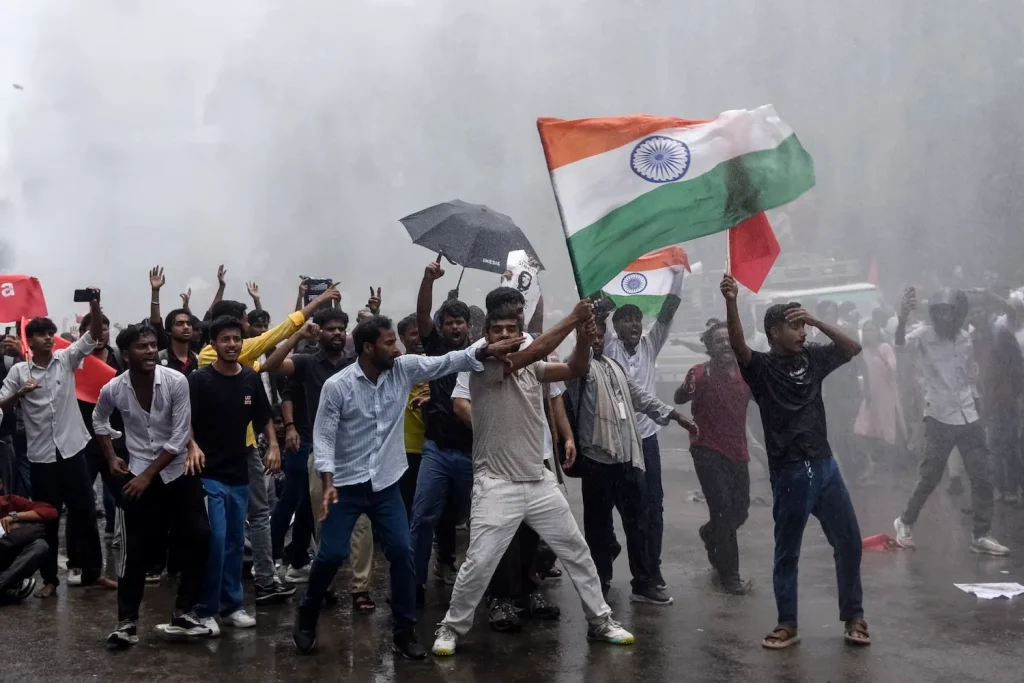
Authorities also faced backlash over the use of AI-powered surveillance cameras and internet shutdowns during the demonstrations.
Many young protesters complained that years of studying for competitive examinations no longer guarantee stable employment.
The online Cockroach Janta Party (CJP), which organised the protests, plans to begin a nationwide listening tour to gather the concerns of young Indians.
CJP founder Abhijeet Dipke said, “The public has become very frustrated and tired of these things. That is why our movement got such massive support.”
Dipke added that the CJP will continue to operate as a pressure group rather than transform into a political party for now.
With the next general election still about three years away, analysts believe the protests have highlighted the growing political importance of India’s young voters.