Plateau State Government, with technical support from the United Nations Children’s Fund (UNICEF), has deployed Case Area Targeted Intervention (CATI) teams to communities affected by or considered at risk of cholera as part of efforts to contain the outbreak and prevent further transmission.
The intervention followed a four-day CATI training for government health and Water, Sanitation and Hygiene (WASH) personnel, with teams subsequently deployed to communities to apply the skills acquired.
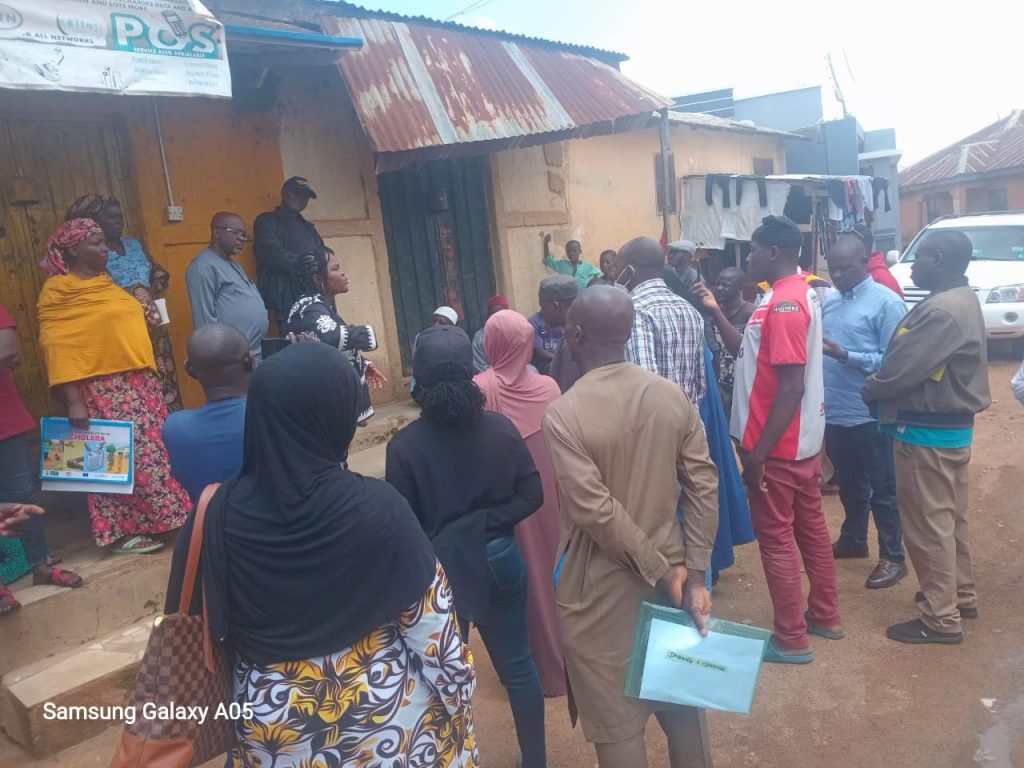
The field exercise was demonstrated in Angwan Damisa, Jos North Local Government Area, while other suspected and high-risk areas visited included Filin Sata in Angwan Rukuba.
UNICEF Chief of Field Office, Bauchi, Dr. Nuzhat Rafique, said the community-level intervention was necessary to complement the training and strengthen the state’s response to the outbreak.
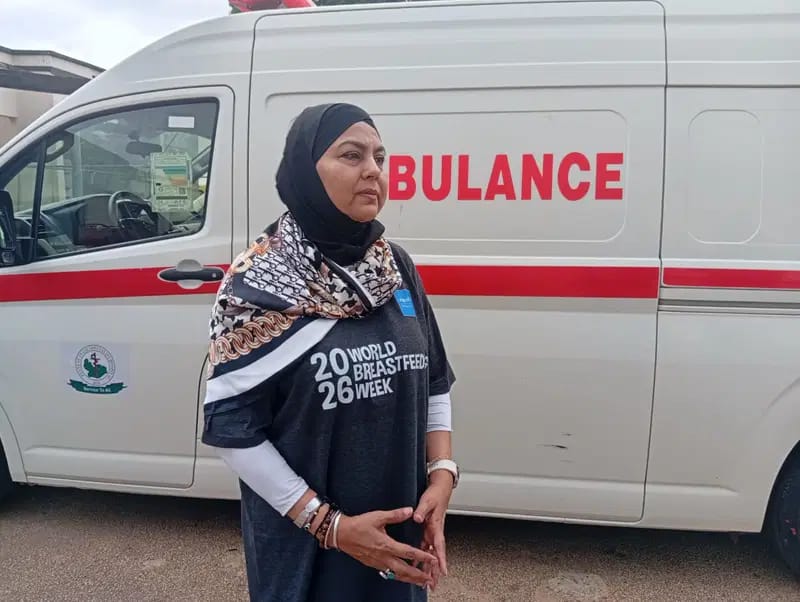
“As you know, Plateau State is currently experiencing a cholera outbreak. This outbreak is very critical, and UNICEF is supporting the preparedness and response efforts alongside the Plateau State Primary Health Care Development Agency, which is our counterpart in the state.
“We are focusing on the immediate response by reducing the number of deaths and cases, while also strengthening preparedness to prevent future outbreaks across all the LGAs,” she said.
Rafique stressed that cholera prevention required more than health interventions, noting that water, sanitation and hygiene, vaccination, social mobilisation and behaviour change were critical to containing the disease.
She added that UNICEF had supported the state with cholera vaccines for affected local government areas, while CATI teams were being deployed to communities where cases had been reported.
According to her, CATI involves going directly into areas where cholera cases have been identified and implementing a combination of measures to break the chain of transmission, including health services, water purification, sanitation and hygiene, social mobilisation and behaviour change.
At Angwan Damisa, the teams engaged community leaders, validated reported cases and commenced interventions aimed at containing the outbreak.
UNICEF WASH Specialist supporting the Bauchi Field Office, Dr. Stella Okafor-Terver, said the exercise was designed to take the CATI training beyond the classroom and allow government personnel to apply their knowledge directly in affected communities.
“What we just carried out is part of the CATI process known as community entry. This involves engaging the community leaders, seeking their permission to carry out the intervention and validating the line list of reported cholera cases that was provided to us.
“As you can see, we have two CATI teams working simultaneously. One team is carrying out the chlorination of water sources within the community, while the second team is preparing chlorine solution to disinfect the households and surrounding areas where the cholera cases were reported,” she said.
Okafor-Terver said four cases had been identified in the community, with one of the affected persons at the Primary Health Care Centre, adding that the team would extend the intervention to the facility.
She stressed that the intervention was being carried out by government personnel, with UNICEF providing technical and capacity-building support.
The General Manager of the Plateau State Rural Water Supply and Sanitation Agency (RUWASSA), Engr. Godfrey Dashuwar, said the training was part of efforts to strengthen the state’s preparedness and response to the recurring cholera threat.
Dashuwar said personnel from five local government areas — Bokkos, Mangu, Barkin Ladi, Jos North and Jos South — were trained to enable them respond rapidly whenever cases were detected.
He said the state had learnt from previous outbreaks, noting that cholera recorded in Bokkos last year and its resurgence in Mangu this year had made preparedness a continuing priority.
“Cholera can be very, very ravaging. So we want to see how we can bring it to an end. That would be better for us, particularly in the lives of our children and women,” he said.
Dashuwar also stressed the importance of community cooperation, saying the movement of people between communities could facilitate the spread of cholera.
Meanwhile, community leaders in Angwan Damisa pledged to sustain awareness efforts after the CATI teams leave.
The Ward Head, Ahmed Achayi, expressed appreciation for the intervention and said the community would cooperate with the authorities to improve sanitation and prevent further transmission.
A community development leader, Salisu Hassan, said traditional, religious and other community structures would be used to sustain health education.
He said mosque platforms and other regular gatherings would be used to educate residents on cholera, sanitation and hygiene in languages they understand.
The CATI intervention is expected to strengthen Plateau State’s capacity to respond rapidly to cholera cases while improving community-level preparedness against future outbreaks.