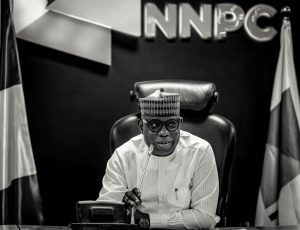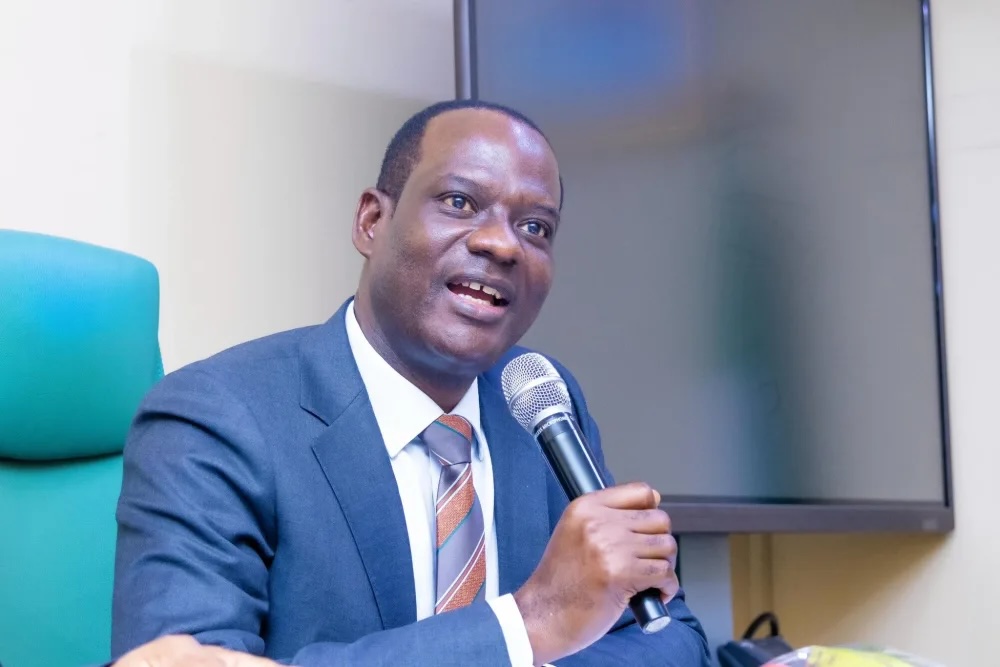
Minister of Finance and Coordinating Minister of the Economy, Mr. Taiwo Oyedele
Minister of Finance and Coordinating Minister of the Economy, Taiwo Oyedele, has defended the Federal Government’s economic reforms, arguing that the initial rise in poverty following the removal of fuel subsidy and other fiscal measures was an unavoidable consequence of correcting long-standing distortions in the economy.
Speaking during an interview with the National Orientation Agency (NOA) on Wednesday August 5, the minister said the reforms were aimed at resetting the economy for sustainable growth despite the short-term hardship experienced by Nigerians.
Responding to concerns over rising poverty and unemployment, he rejected the narrative that the reforms had worsened poverty, saying the temporary increase in poverty levels was expected once fuel subsidies were removed.
“I tend to disagree with the narrative by the World Bank. The World Bank would say that poverty has gone up despite the reforms. I say, yes, poverty has gone up because you cannot remove subsidy and people become richer,” he said.
According to the minister, Nigeria had for years operated under what he described as “fiscal illusions,” which concealed the true state of the economy and delayed necessary reforms.
“The reform itself was a reset. We were living in fiscal illusions, so we needed to stop deceiving ourselves, so the country can move forward. That reset meant that income levels, in real terms, would fall, and that would increase poverty,” he said.
He, however, maintained that the reforms were beginning to yield positive results, pointing to improvements in income growth in 2025.
According to him, Nigeria recorded real per capita income growth of nearly 10 per cent in dollar terms in 2025, a development he said placed the country among the fastest in lifting people out of poverty.
“But the good news is that the numbers for 2025, in dollar terms, real per capita income growth was nearly 10 per cent. That makes Nigeria one of the fastest countries in lifting people out of poverty. We intend to sustain that,” he said.
The minister said the government’s objective was not only to stabilise the economy but also to create conditions for sustained economic growth, higher incomes and improved living standards for Nigerians.
His comments come amid continued debate over the impact of the Federal Government’s economic reforms, including the removal of fuel subsidy and the liberalisation of the foreign exchange market, which have significantly increased the cost of living while the government maintains they are laying the foundation for long-term economic recovery and inclusive growth.