Vice-Chancellor of Ahmadu Bello University (ABU), Zaria, Prof. Adamu Ahmed, has described the annual World Environment Day as a significant event for the institution, reaffirming the university’s commitment to environmental sustainability and ecosystem restoration.
Represented by the Deputy Vice-Chancellor (Administration), Prof. Bello Sabo, at the university’s 2026 World Environment Day Symposium and Tree Planting exercise held on July 21, the Vice-Chancellor said environmental conservation remained central to ABU’s vision of sustainable development.
He said the theme of this year’s symposium titled: “Inspired by Nature: Restoring ABU’s Ecosystem for Resilience, Adaptation and Sustainable Microclimate,” was deliberately chosen to reflect the university’s determination to protect and preserve its natural environment.
According to him, the institution has over the years sustained a culture of environmental stewardship, noting that successive administrations had contributed significantly to maintaining the beauty and serenity of the university’s landscape.
He commended former Vice-Chancellors for their commitment to preserving the institution’s green environment, saying their contributions had laid a solid foundation for the current management to build upon.
The Vice-Chancellor also appreciated guests, development partners and stakeholders for honouring the invitation to participate in the event, expressing confidence that the symposium would further strengthen environmental awareness within and outside the university community.
Chairman of the occasion and Chairman of the Kaduna State Local Government Service Board, Prof. Aminu Ladan Sharehu, lauded the university management for sustaining the tradition of marking World Environment Day with practical initiatives aimed at protecting the environment.
Prof. Sharehu described the symposium and tree planting exercise as timely, stressing that environmental conservation requires collective responsibility from institutions, governments and citizens alike.
Delivering the keynote address, the Chairman of the Nigerian Institution of Surveyors (NIS), Kaduna State Branch, Surv. Maikano Samson, said rapid urbanisation across the globe presents both opportunities and environmental challenges.
He noted that by 2050, about 68 per cent of the world’s population is projected to live in urban areas, with Africa expected to witness one of the fastest rates of urban growth.
According to him, Nigeria is already experiencing the impact of rapid urban expansion, particularly in cities such as Lagos, Abuja, Kano and Port Harcourt, making sustainable urban planning more critical than ever.
Samson explained that while well-planned urbanisation drives economic growth, innovation and improved access to social services, uncontrolled expansion places enormous pressure on land, infrastructure and fragile ecosystems.
He therefore called for integrated planning, environmental protection and sustainable land management to ensure that urban development does not come at the expense of future generations.
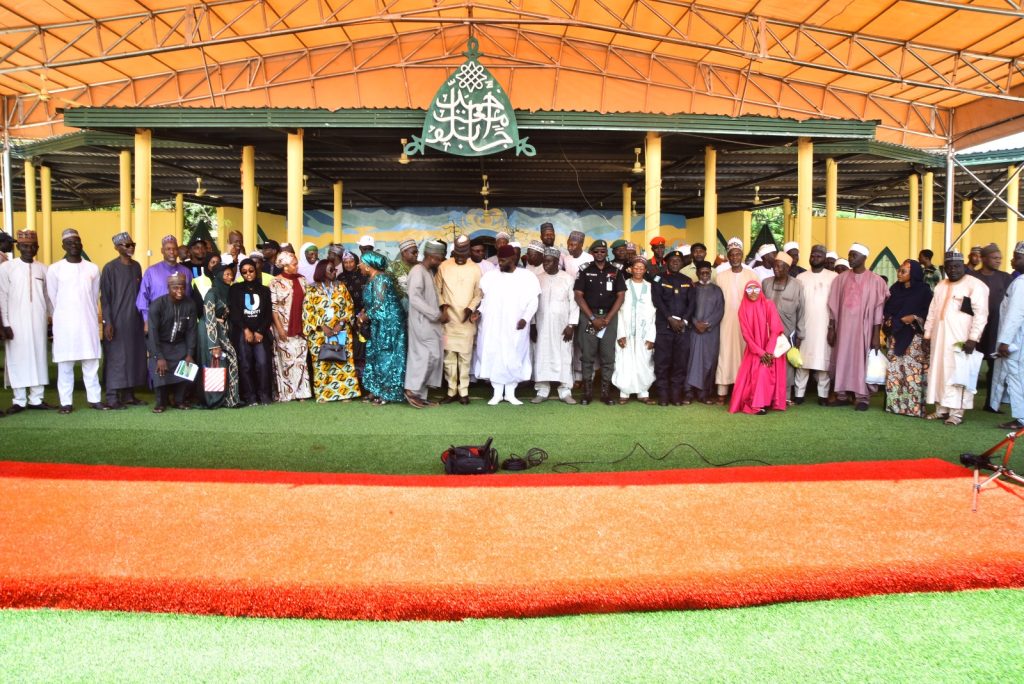
The symposium climaxed with a tree-planting exercise attended by academics, environmental experts, government officials and other stakeholders from within and outside Kaduna State, all united in promoting a cleaner, greener and more resilient environment.