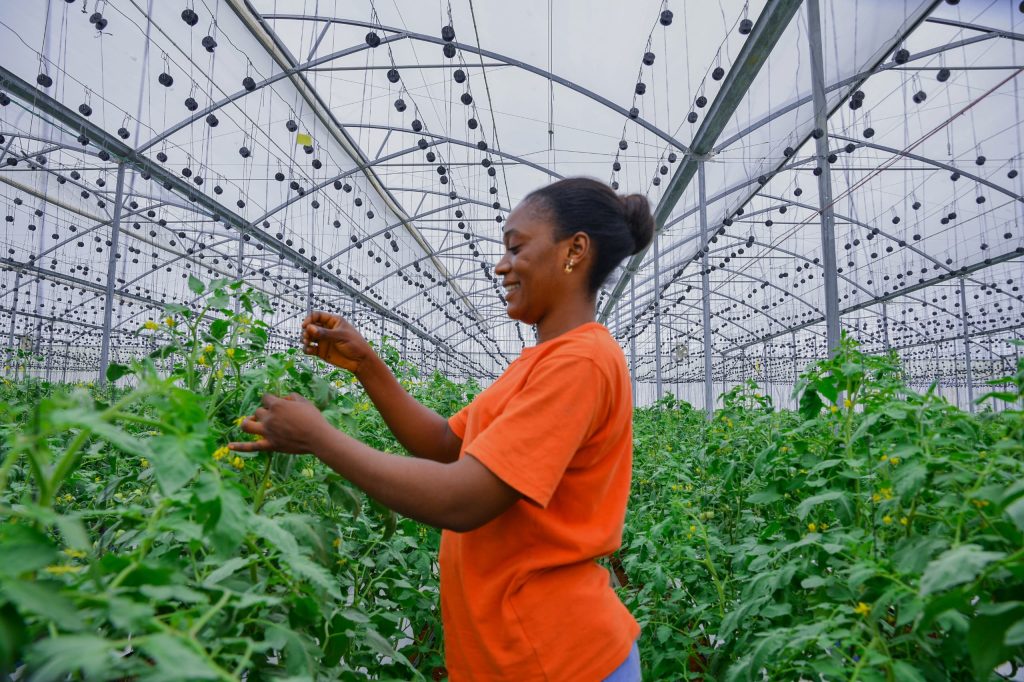
In a bold push to transform agriculture in Taraba State, the management of Taraba Green House has reaffirmed its commitment to empowering local agro-entrepreneurs through cutting-edge expertise and training.
The initiative is poised to position the state as a leader in innovative farming, with its high-quality green pepper and cucumber harvests expected to dominate markets nationwide.
Project Manager of Taraba Green House and a seasoned agricultural expert, Navon Girl, spoke enthusiastically about the project’s milestones during the celebration of its first bumper harvest since operations resumed.
Highlighting the adoption of advanced “soil-less” farming techniques, Gil declared, “The ‘soil-less’ concept of farming is set to place Taraba State as the leading agricultural advanced state in the country.”
He credited Governor Agbu Kefas for his strategic vision in reviving the project, ensuring it overcame past challenges.
“Today’s event is thus the culmination of hard work, dedication, and consistency,” Gil stated.
“With the first fruits of the latest upswing of the farm, the sky is the limit.”
Gil expressed confidence that the superior quality of Taraba Green House’s produce would reshape the state’s agricultural landscape.
“Markets all over Nigeria have started reacting to the bumper harvest,” he noted.
“The goal is to make the Taraba Green House the veritable source for all the needed vegetables, rich in nutrients and being the best product for sale and sustenance.”
Ohad Shiltman, a key partner in the initiative, emphasized the project’s commitment to the local community.
“The initiative is not forgetting the local
market,” Shiltman said. “The state would enjoy all the products and ensure residents participate in the bounties.”
He added that the farm is expected to create jobs and drive economic growth, positioning Taraba as a hub for agricultural innovation.
With its focus on technology-driven farming and robust production, Taraba Green House is set to lead the state’s agricultural revolution, delivering nutrient-rich vegetables to both local and national markets while fostering economic opportunities for the region.