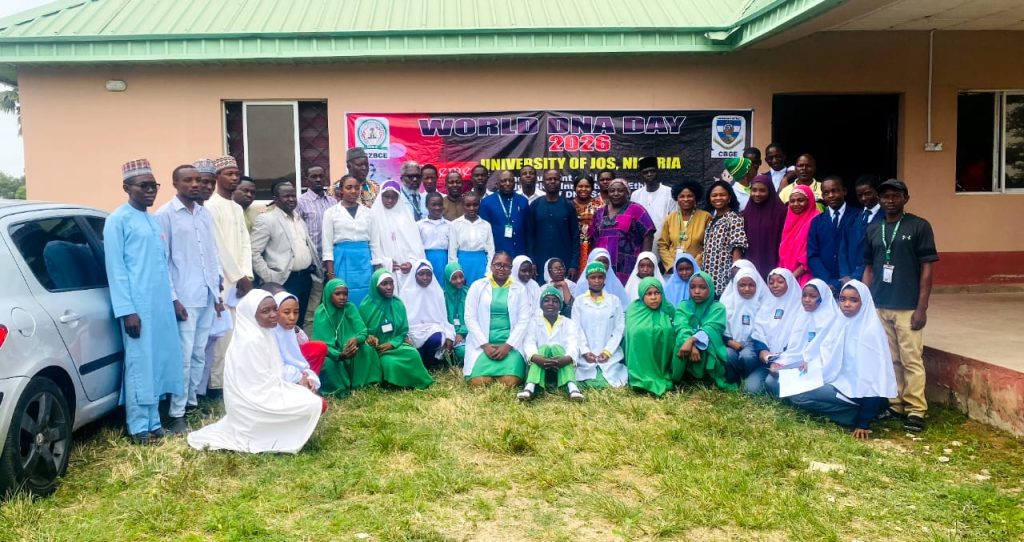
Scientists at the University of Jos (UNIJOS) have raised concerns that rapid advances in genetic science—particularly gene editing—are outpacing ethical safeguards, calling for stronger public awareness and regulation.
The experts gave the warning during the 2026 World DNA Day event hosted by the university’s Centre for Biotechnology and Genetic Engineering at its Naraguta Campus, where researchers, students, and educators gathered to examine the growing impact of DNA science on society.
NATIONAL ACCORD reports that the World DNA Day is observed globally to mark key milestones in genetic science, including the discovery of the DNA double helix in 1953 and the completion of the Human Genome Project in 2003.
Delivering the keynote lecture, Dr Richard Kutshik said developments following the Human Genome Project have transformed DNA research from basic study to precise manipulation.
“DNA is no longer seen as static. It is now readable and, to some extent, programmable,” he said, noting that tools such as CRISPR have made it possible to modify genes with increasing accuracy.
He explained that genetic science is already reshaping multiple sectors, from medicine—where it is enabling more targeted diagnosis and treatment of hereditary diseases—to agriculture and forensic investigations.
However, speakers at the event stressed that these advances come with significant ethical questions.
Director of the Centre, Ishaya Longdet, said the theme of the programme was deliberately chosen to reflect the need to balance innovation with responsibility.
He emphasised that greater public understanding of genetic science is essential, particularly in areas such as healthcare decisions, family planning, and data privacy.
Representing the Vice-Chancellor, Joshua Chollom warned that the ability to manipulate genetic material raises concerns about misuse, inequality, and access.
“The power to manipulate genetic material raises important moral questions around privacy, equity, and potential misuse,” he said, urging researchers to uphold strict ethical standards.
The event also featured interactive sessions with students from eight secondary schools in Jos, aimed at encouraging interest in science and innovation.
Participants engaged experts on issues ranging from gene editing to access to biotechnology, reflecting growing awareness among young people about the opportunities and risks associated with genetic research.
One of the students, Nathaniel Andrew of GSS Hwolshe, said the discussions had broadened his understanding of ethical concerns surrounding DNA technologies, including access to treatment and ownership of genetic data.
He called for stronger regulations and increased collaboration between scientists and schools to ensure that awareness begins at an early stage.