Nigeria Social Insurance Trust Fund (NSITF) says it is stepping up efforts to extend social protection coverage to platform-based workers, including those in ride-hailing services and digital freelancing, as changes in the world of work continue to expand beyond traditional employment structures.
Managing Director of the Fund, Barr. Oluwaseun Faleye, said the agency is now paying closer attention to how emerging technologies and digital platforms are reshaping employment, particularly through the rise of the gig economy.
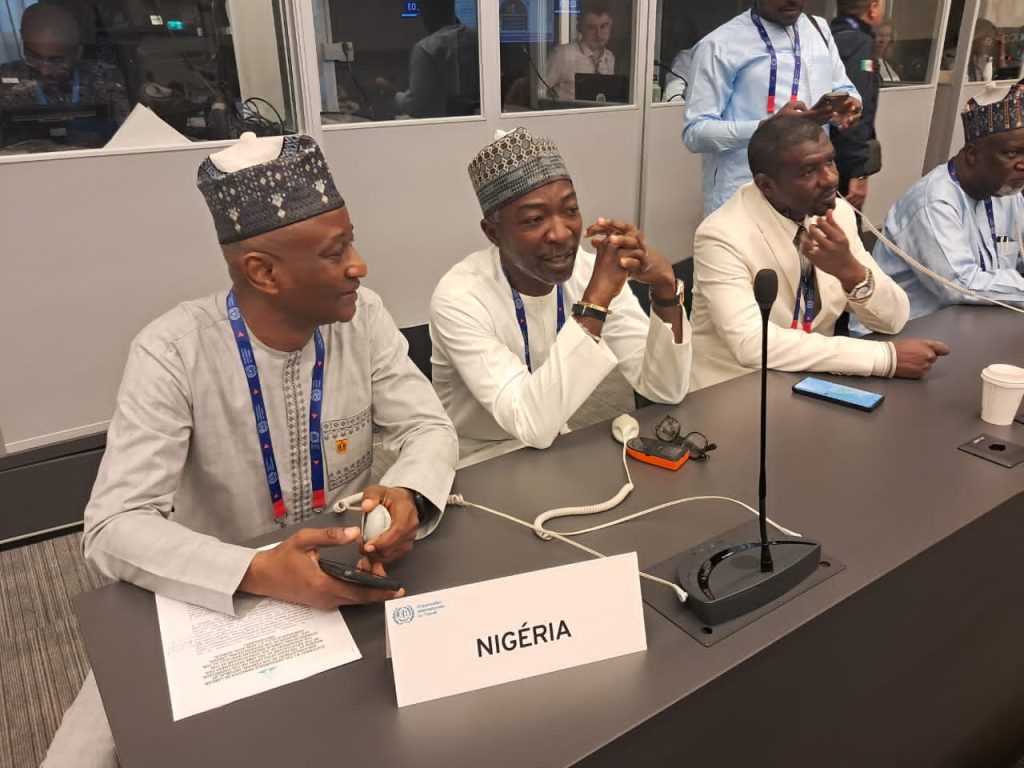
Faleye spoke while reacting to discussions at the General Assembly of the 114th Session of the International Labour Conference in Geneva, Switzerland, where Nigeria’s Minister of Labour and Employment, Dr Muhammad Maigari Dingyadi, presented the country’s position on evolving labour issues.
The Minister had called for inclusive and human-centred policies that balance technological advancement with the protection of workers’ rights and job security.
Commending the presentation, Faleye said it reflected the urgency of addressing changes already playing out in workplaces globally, especially with the expansion of platform-based work.
He noted that the rise of services such as Uber, Bolt and online freelance marketplaces has challenged long-held definitions of employment and workplace structure.
“Traditionally, labour has been defined within formal employment settings, but today we have people working through platforms, from home, and across digital spaces. That reality requires us to rethink how protection systems are designed,” he said.
Faleye said the NSITF is already engaging stakeholders to determine how workers in the gig economy can be properly captured under existing social insurance frameworks.
He explained that key issues under consideration include how to define a workplace for platform workers and how to determine when injuries sustained in such roles can be classified as work-related for compensation purposes.
“At what point do we define a workplace for someone working from home or through an app? And when injury occurs, how do we determine whether it is work-related or not? These are issues we must sit down with stakeholders to resolve,” he said.
According to him, the agency is exploring ways to integrate independent contractors into contribution and compensation systems in order to ensure they are not left out of workplace protection.
Faleye also commended President Bola Ahmed Tinubu for establishing the Ministry of Communications, Innovation and Digital Economy, describing it as a step aimed at positioning Nigeria to better engage with global technological shifts.
He added that digital innovation is already being gradually infused into public service delivery, with parts of the civil service beginning to adopt AI-driven tools to improve efficiency and service outcomes.
Platform workers, also known as gig workers, are individuals who earn income through digital platforms such as ride-hailing apps and online freelance marketplaces.