Peter Obi
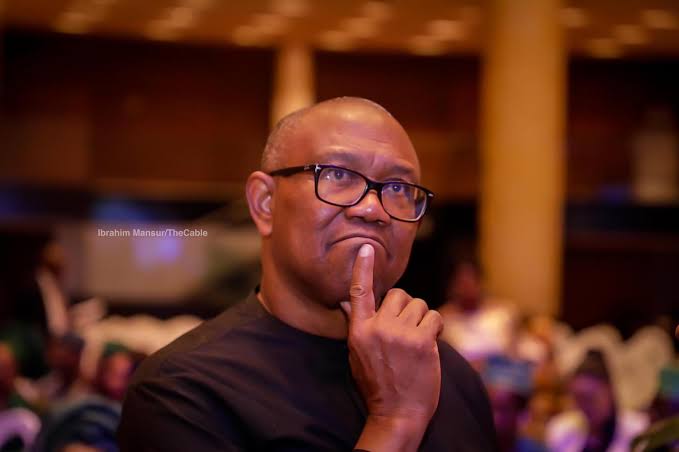
2027 Presidential candidate of Nigeria Democratic Congress (NDC), Peter Obi, has expressed deep concern over the recurring incidents of school abductions across Nigeria, warning that the country risks becoming desensitised to insecurity if citizens fail to demand accountability from leaders.
In a post shared on his X handle on Friday, Obi reflected on the global reaction that followed the 2014 abduction of schoolgirls from Chibok, Borno State, noting that the incident sparked nationwide outrage and attracted international attention through the #BringBackOurGirls campaign.
According to him, subsequent cases of mass school kidnappings have not generated the same level of concern despite their frequency.
“The abduction of the Chibok girls in 2014 triggered a global movement. One school abduction was enough to unite Nigerians, attract international attention, and place enormous pressure on the government through the #BringBackOurGirls campaign,” Obi stated.
He argued that the pattern of attacks on schools has continued over the years, raising concerns about the nation’s response to the worsening security situation.
“Yet, what has happened since then should trouble every Nigerian.
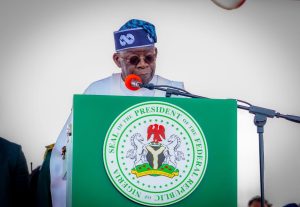
“Under President Buhari’s eight years in office, Nigeria witnessed about ten school abductions. Under President Tinubu’s administration, in just three years, we have already recorded over ten school abductions.
“Despite these repeated tragedies, there has been neither sustained national outrage nor significant international attention comparable to what followed Chibok.”
Obi questioned whether Nigerians have gradually accepted insecurity as part of daily life, saying the country’s collective conscience appears less responsive to incidents that once sparked widespread condemnation.
“This raises an important question: have we become so accustomed to insecurity that what once shocked our national conscience is now treated as normal?” he asked.
The former Anambra State governor also criticised what he described as the misplaced priorities of political leaders at a time many citizens are struggling with insecurity, poverty and economic hardship.
“At a time when millions of Nigerians are grappling with insecurity, poverty, and hardship, it is deeply troubling that those in power appear more focused on political calculations and preparations for the next election than on addressing the urgent challenges confronting our people,” he said.
Obi further noted that Nigeria’s image has suffered as a result of persistent governance and security challenges.
“It is, therefore, no surprise that some observers have labelled us a ‘Now Disgraced Nation’. While we do not agree with any attempt to define our great country by its present difficulties, we must acknowledge that persistent insecurity, economic hardship, and leadership failure have damaged our reputation and standing among nations.”
Calling for a change in governance, Obi insisted that the country’s problems require capable and accountable leadership rather than political distractions.
“The answer is not denial, propaganda, or political distraction. The answer is leadership that is competent, compassionate, accountable, and genuinely committed to the welfare and security of the Nigerian people,” he stated.
He concluded with a call to action directed at young Nigerians, urging them not to become indifferent to the country’s challenges.
“The Nigerian youth must not become indifferent. We must all refuse to normalise failure.
“Young Nigerians – Take back your country!