Association of Women Living with HIV and AIDS in Nigeria (ASWHAN), Borno State Chapter, has called on the Borno State Government to urgently release funds to the Borno State Agency for the Control of AIDS (BOSACA) to facilitate the provision of HIV testing and prevention kits, as well as essential drugs for patients across the state.
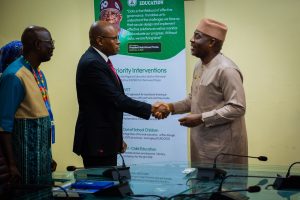
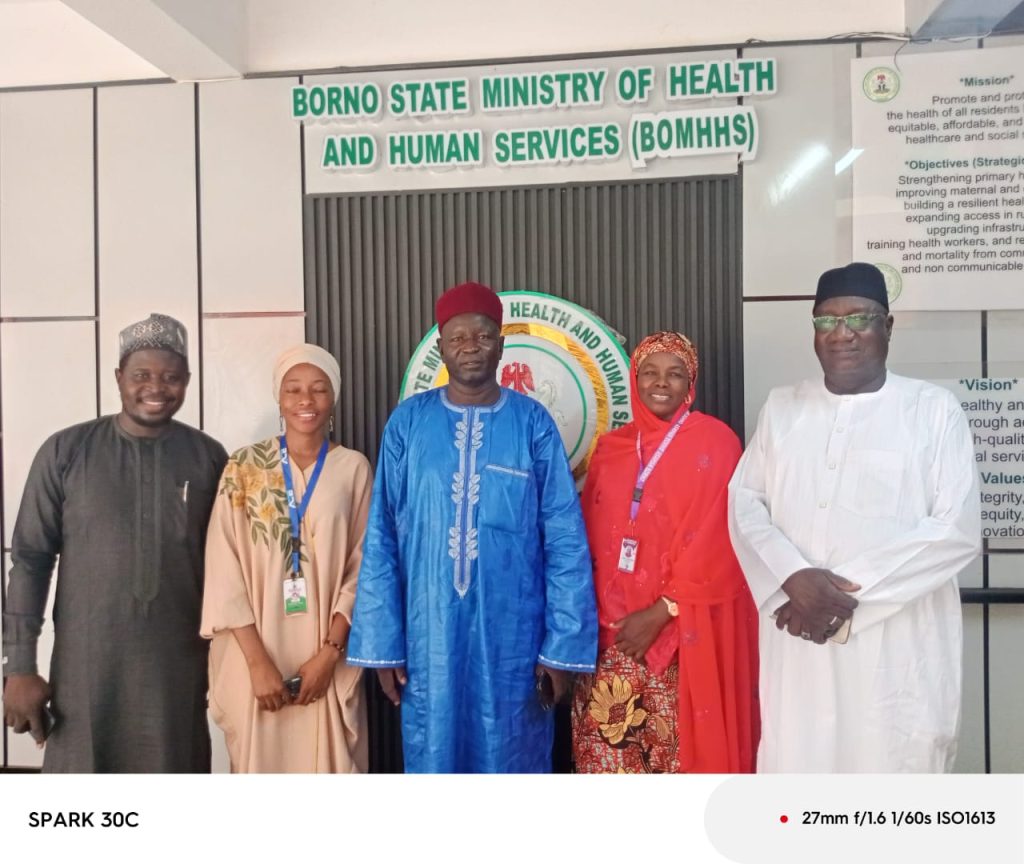
The appeal was made on Thursday by the Executive Director of ASWHAN, Hajiya Gidan Baba, during an advocacy visit by the association to the HIV/AIDS Programme Coordinator of the Borno State Ministry of Health and Human Services and State AIDS and STIs Control Programme (SASCP) Coordinator, Mr. Danjuma Solomon Gabi.
Hajiya Baba explained that the advocacy engagement was prompted by findings from five Focus Group Discussion (FGD) sessions conducted between Quarter 6 and Quarter 10, spanning May 2025 to May 2026, among Persons Who Inject Drugs (PWID) in Borno State.
According to her, the discussions were aimed at assessing community experiences regarding access to HIV prevention and harm reduction services, while identifying barriers affecting service utilization.
She disclosed that a total of 27 participants took part in the five sessions, with 24 respondents, representing 88.9 per cent, expressing concerns over the limited availability and accessibility of HIV prevention and harm reduction services, including Needle and Syringe Programmes (NSP).
Hajiya Baba further noted that participants highlighted inadequate demand-creation activities, low awareness of available HIV prevention services, and insufficient outreach efforts targeting PWID communities.
She said the findings point to significant gaps in service delivery that could heighten the vulnerability of PWID to HIV and other blood-borne infections, while undermining ongoing prevention efforts.
Also speaking, a consulting partner to ASWHAN, Maina Shettima, said the association was engaging SASCP to advocate stronger HIV prevention programming, wider harm reduction services, improved community awareness, and increased access to essential commodities and support services for PWID in the state.
Presenting details of the findings, the Executive Director revealed that:
“24 out of the 27 participants (88.9%) reported that HIV prevention and harm reduction services remain limited and difficult to access.”
She maintained that respondents highlighted the inadequate availability of sterile needles and syringes, a situation that compels some PWID to share injecting equipment, thereby increasing the risk of HIV, Hepatitis B and Hepatitis C transmission.
According to the report, 88.9 per cent of participants stated that harm reduction services are not consistently available within their communities and often require long-distance travel to access support.
Similarly, 88.9 per cent of respondents reported low awareness among PWID regarding available HIV prevention services, including HIV testing, Pre-Exposure Prophylaxis (PrEP) and other harm reduction interventions.
The participants also identified stigma and discrimination within communities as major factors discouraging some PWID from seeking HIV prevention and treatment services.
In addition, 88.9 per cent of respondents emphasized the need for increased community engagement, improved demand-creation literacy and targeted awareness campaigns to boost service uptake.
A summary of the findings showed that all 27 participants engaged in the discussions represented 100 per cent participation, while 24 respondents (88.9 per cent) reported limited access to HIV prevention and harm reduction services. Only three participants (11.1 per cent) did not report such challenges.
Speaking on the implications of the findings, Hajiya Fusam said the data revealed a significant gap in the availability and accessibility of HIV prevention and harm reduction services for PWID.
“With nearly 9 out of every 10 participants (88.9%) reporting challenges in accessing these services, there is a heightened risk of HIV transmission and poor health outcomes among this vulnerable population,” she said.
She added that insufficient demand-creation initiatives and limited community awareness have further contributed to the low utilization of available services.
“Without targeted interventions, efforts to achieve HIV epidemic control among key populations may be undermined,” she warned.
Based on the findings, ASWHAN urged SASCP to support the expansion of harm reduction services, particularly through wider coverage of Needle and Syringe Programmes in communities with high concentrations of PWID.
The association also advocated improved access to HIV testing services, PrEP, condoms and linkage-to-treatment services, while recommending the integration of harm reduction services into existing HIV service delivery platforms where feasible.
Furthermore, ASWHAN called for intensified community awareness campaigns, stronger peer educator networks and enhanced outreach efforts to improve information dissemination among PWID.
The association stressed that evidence generated from the five FGDs conducted between May 2025 and May 2026 showed that 88.9 per cent of participants identified limited access to HIV prevention and harm reduction services as a major concern.
It noted that addressing these gaps through expanded NSP coverage, strengthened HIV prevention interventions and increased community awareness would significantly reduce HIV transmission risks and improve health outcomes among PWID in Borno State.
Responding, the State AIDS and STIs Control Programme (SASCP) Coordinator, Mr. Danjuma Solomon, commended ASWHAN for the advocacy visit, observations, recommendations and detailed findings.
He emphasized the need for stronger collaboration between the Borno State Government, relevant agencies, community-based organisations (CBOs), civil society organisations (CSOs) and development partners to effectively implement HIV/AIDS intervention programmes.
Mr. Solomon also advocated the establishment of effective teamwork and synergy among stakeholders, including BOSACA, the Borno State House of Assembly and the Office of the Governor.
While assuring the ministry’s support and cooperation, he lamented the level of funding available to HIV/AIDS programmes in Borno State compared to other states of the federation and called for urgent intervention from stakeholders, partners, philanthropists and donor agencies.
He further thanked the ASWHAN team for their investigations, comprehensive findings and recommendations, assuring them that the issues raised would be carefully reviewed and addressed through collective action.
“All the challenges and issues raised will be looked into with a view to addressing them collectively and immediately,” Solomon assured.