Blessing Tantur, CEO of Lingzhi Tea
By JOHN MKOM, Jalingo –
Taraba-based young entrepreneur, Miss Blessing Nanman Tantur, has expressed concern that Nigeria has enormous potentials in the tea and coffee sector, which has remained grossly under-utilized due to policy framework and lack of awareness.
Miss Tantur, who is the Chief Executive Officer of Lingzhi Tea, voiced her concern while interacting with journalists in Jalingo, Taraba State, on the sideline of on-going training of prospective entrepreneurs with desire to venture into the tea and coffee business.
Describing Nigeria as the home of both tea and coffee, Miss Tantur, however, lamented that although Taraba State in particular has both coffee and tea in abundance, the opportunity to harness such potential has been grossly underutilized.
Tantur who disclosed that she started tea business with barley N35.000, said she had toured over 16 countries with her brand – Lingzhi Tea.
She explained that she had decided to establish a base in Nigeria with a campaign to get others on board, not just to key into her brand, “but to also realize the potentials in the sector and take advantage to develop their own brands to make the sector more viable.”
According to Tantur, “there is urgent need for enlightenment for farmers, traders, dealers, and even the government so as to change the narrative for good.”
She said: “I’ve been in coffee business for over a decade after studying Coffee and science in Brazil. I am back to Nigeria and Taraba to awaken our people that coffee is our heritage and we need to rise up and derive the benefits that this natural gift offers.
“The journey has been quite rough but knowledge has helped me to navigate the precarious journey. We need to learn and leverage on the new trends in the industry to put ourselves at vantage points rather than depending on outdated measures to address contemporary business challenges. That is the reason for the ongoing training sessions.
“I started this business with 35,000 Naira and leveraged on my social capital to grow this global brand you see here today. I was attracted to the business because I realized I don’t need so much fiscal cash to start up. All I needed was my social capital and I leveraged on that to grow.
“I realized that a lot of Nigerians have health issues and that they love coffee. And so I decided to come up with a brand that each sip is not just a satisfying sip of coffee but a sort of antidote to health challenges. All our products are specifically tailored to address some of the common health concerns of our people. We have products that tackle issues such as prostrate in men, ulcer, diabetes and a whole range of issues, while giving the satisfaction of quality coffee.
“For me, my greatest satisfaction is that each packet of coffee I sell gets someone better and greater. My major challenge is production. The raw material is here but we have to take it to China to produce it and bring it back to Nigeria. And so it exposes our recipes, our formula and skills to them and they can very easily copy it. I don’t necessarily have to own the machines. The government should be able to set up these factories so that we can produce locally and protect our formulas.”
Many countries of the world are known to utilize tea and coffee as a veritable sector for revenue earning.
In Africa, Kenya is the largest producer and exporter of tea, accounting for a substantial portion of the continent’s production. The East African nation generates significant revenue from tea exports, leading Africa in production and export volume.
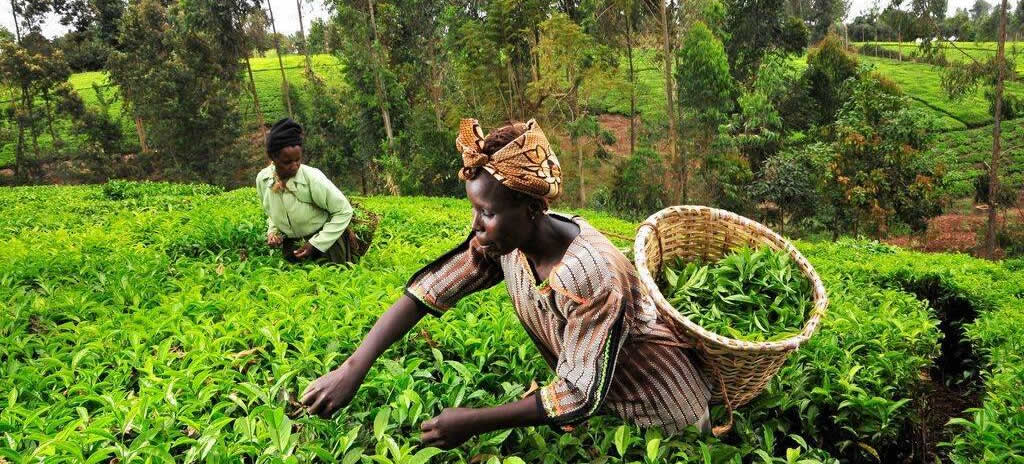
Tea farmers in Kenya (PHOTO: Tea Board of Kenya)
Other African countries that also earn revenue from tea include Uganda, Malawi, Tanzania, Rwanda, and South Africa.
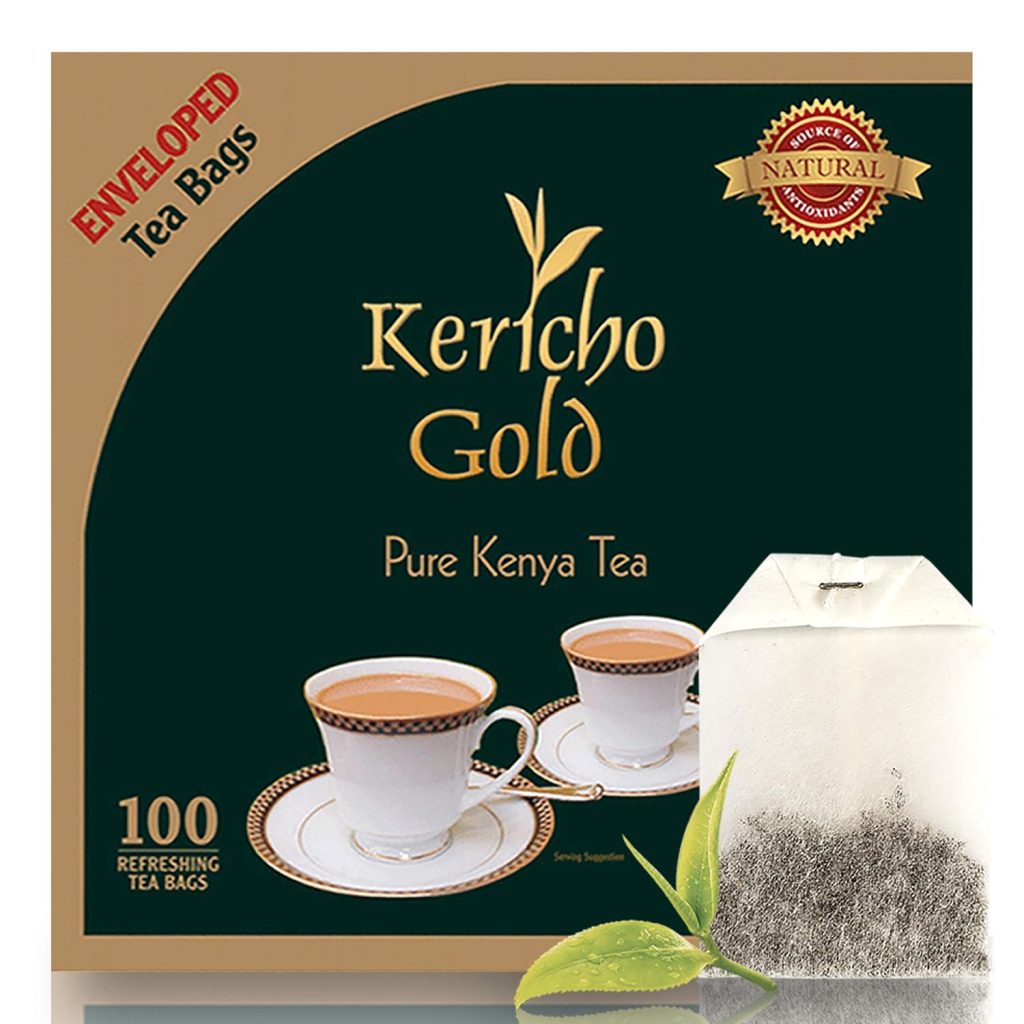
One of the popular tea brands in Kenya (PHOTO: Ubuy Nigeria)
Nigeria does not currently report significant earnings from tea exports, as it primarily imports tea for domestic processing and consumption and has a reported loss of over ₦40 billion in tea and coffee revenue due to limited domestic production and import dependency.
Still, the Mambilla Plateau is reported to show potential for increased tea cultivation, with studies in Taraba State indicating profitability for individual farmers like Miss Tantur’s Lingzhi Tea, through intercropping systems, though large-scale national revenue figures are unavailable.
.