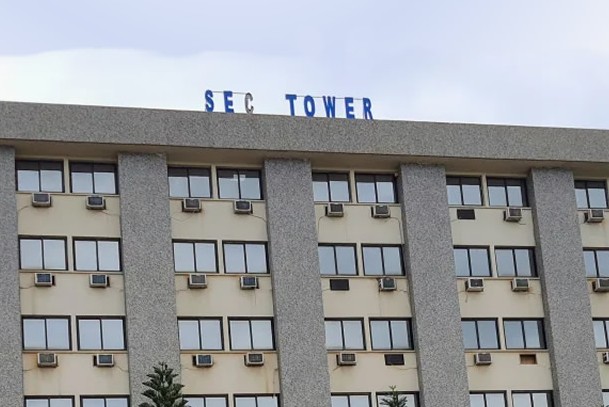
Securities and Exchange Commission (SEC) has set June 1, 2026 as the date for Nigeria’s capital market to move to a T+1 settlement cycle for equities and commodities trades.
The announcement, made in a notice dated May 18, outlines a framework for capital market operators and stakeholders to prepare for the shift.
Under T+1, trades will settle one business day after execution, replacing the current two-day, or T+2, cycle.
SEC said the final trading day under T+2 will be Friday, May 29, 2026. Trades carried out on May 29 and Monday, June 1 will both settle on Tuesday, June 2, ensuring a seamless transition.
The regulator described the change as part of a broader market modernisation drive aimed at improving liquidity, strengthening risk management, and reducing counterparty exposure. It also brings Nigeria in line with markets such as the United States, Canada, and Mexico, which have already adopted shorter settlement cycles. India is piloting near-instant settlement for selected trades.
The regulatory body stressed that all capital market operators, exchanges, clearing and settlement providers, custodians, registrars, and issuers must ensure “full operational readiness before June 1”. Firms are expected to upgrade back-office systems and reconciliation processes to meet the tighter timeline.
For retail investors, the shift means faster access to proceeds from share sales. Institutional investors and custodians will need to adjust workflows to accommodate the one-day settlement window.
The move follows Nigeria’s earlier transition from T+3 to T+2. SEC said the progression reflects its commitment to building a more efficient and resilient market.
Going by the transition, analysts say custodians and brokers must make straneous changes to adapt to the new system of T+1.This means the settlement window will be cut in half, so custodians and brokers have to tighten processes across trade confirmation, funding, and reconciliation.
Under T+2, there was a full business day to match and confirm trades before settlement. With T+1, confirmation has to happen on trade date. Brokers and custodians will need automated matching systems and straight-through processing to avoid fails. Manual confirmations will not work. Analysts add.
Transiting to T+1 settlement cycle also ensures earlier funding and securities movement. Clients must fund accounts and deliver securities faster. Custodians will need real-time monitoring of client cash and securities positions, plus automated alerts for shortfalls. According to analysts, intraday liquidity management becomes more critical because there’s less time to source funds or borrow securities.
Securities experts are also concerned about the time required for updated reconciliation and reporting. They emphasized that back-office systems will be required to handle same-day reconciliation of trades, positions, and cash. Any breaks must be flagged and resolved before end of day. Reporting to regulators and clients will also shift to a tighter schedule.
Analysts agree with the commission on system upgrades and testing remain as a major component to support core trading, clearing, and custody platforms to enable T+1 cut-off times work. SEC expects firms to test end-to-end processes before June 1 to avoid operational failures.
To enable the T+1 system work seamlessly, experts suggest client communication and education are necessary. Brokers will need to inform clients about earlier deadlines for trade instructions and funding. Retail clients especially will need clear guidance to avoid failed trades.
SEC assured that it would continue engaging stakeholders and monitoring the rollout to support a smooth implementation.