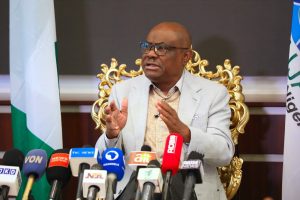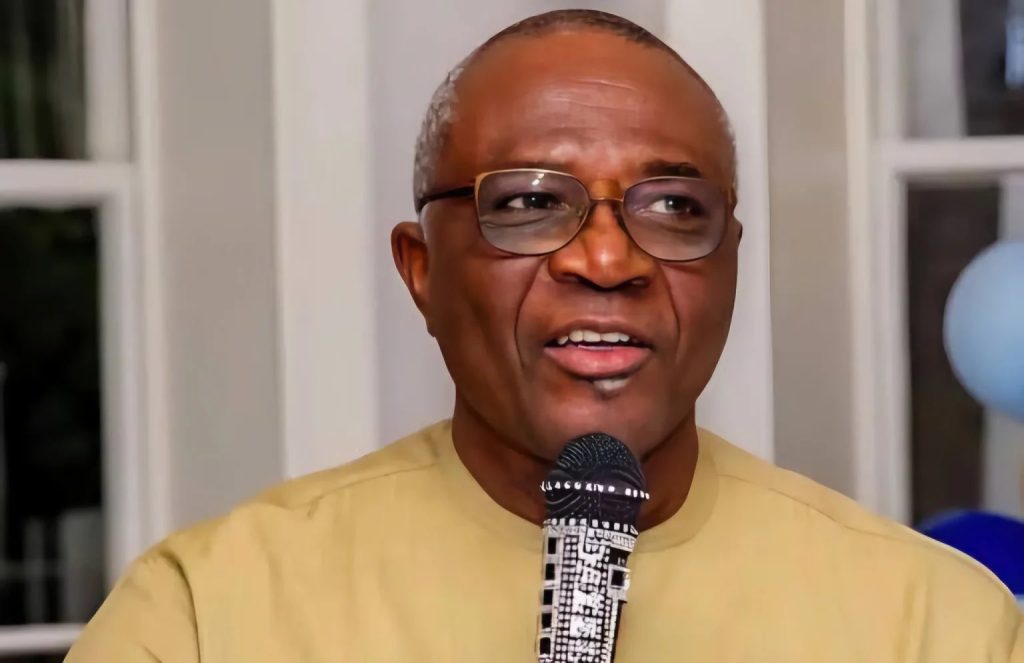
Presidential spokesman, Bayo Onanuga
Presidential spokesman Bayo Onanuga has dismissed claims that hunger is widespread across Nigeria, insisting that many Nigerians are benefiting from policies introduced by President Bola Tinubu led administration.
Speaking during an interview on Arise Television, Onanuga said several government programmes and infrastructure projects are already making a positive impact on the lives of citizens despite concerns over the country’s economic situation.
Using road infrastructure as an example, he recounted a recent journey from Ibadan to Lagos where he unexpectedly drove on a newly completed concrete road after taking an alternative route to avoid traffic.
“I just found myself on a paved road, concrete road. I said, ‘Wow, when was this one built?’” he said.
Onanuga also praised the ongoing Lagos-Calabar Coastal Highway project, noting that it has significantly reduced his travel time between Lagos Island and Ajah.
“Before, it was two hours, 30 minutes,” he said, adding that the trip now takes a little over one hour.
The presidential aide further highlighted the Federal Government’s student loan programme and low-interest credit facilities available to civil servants, saying the initiatives are helping many households cope with financial challenges.
“If you are a parent and you have four children in university, and they’re able to access federal loan, which is interest free, are they not benefiting?” he asked.
According to him, public conversations often focus more on hardship and economic difficulties while ignoring the gains recorded through government interventions and development projects.
While admitting that economic challenges remain, Onanuga maintained that his personal experiences and interactions do not support the widespread hunger narrative often discussed in public spaces.
“I don’t see the level of hunger people are talking about,” he said.
His comments come amid continued debate over the impact of the Tinubu administration’s economic reforms, including the removal of fuel subsidy and the liberalisation of the foreign exchange market. While many Nigerians have complained about rising living costs linked to the reforms, the Federal Government insists the measures are necessary to achieve long-term economic stability and growth.