Nigeria Democratic Congress (NDC) presidential candidate Peter Obi has expressed deep concern over the United Nations’ warning of a worsening food crisis in northern Nigeria, urging the Federal Government and state authorities to urgently prioritise food security, agricultural investment and the protection of farming communities.
Reacting to the latest report by the United Nations’ World Food Programme (WFP), Obi described the looming humanitarian situation as both tragic and preventable, arguing that Nigeria’s vast agricultural potential should make widespread hunger unacceptable.
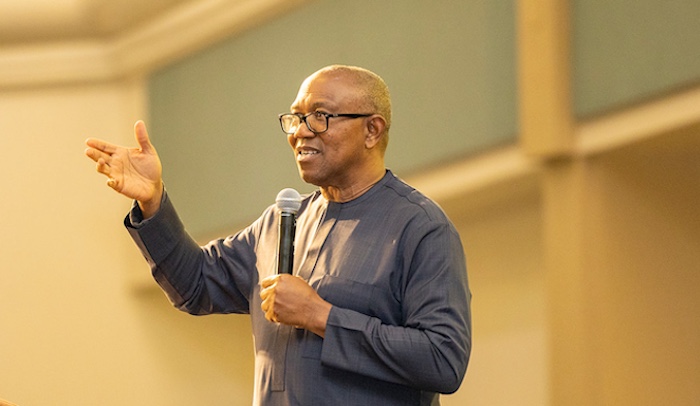
In a statement shared on his X account, the former Anambra State governor said the situation reflects years of poor leadership and misplaced priorities.
“The recent report from the UN about the impending food crisis in northern Nigeria is disheartening, more so because it is avoidable. Northern Nigeria is the nation’s food basket, and nothing short of incompetent and irresponsible leadership could have created this tragedy,” he stated.
Obi disclosed that he had earlier urged political leaders across the country to redirect their attention towards tackling the growing food emergency instead of focusing solely on politics.
According to him, “I called on the Federal Government and state leaders to move beyond mere political discourse and make transparent, upfront investments to secure agricultural corridors, support smallholder farmers with accessible resources, and collaborate vigorously with organisations like the World Food Programme (WFP) to bridge funding gaps before this crisis escalates and claims more lives, especially those of children.”
He maintained that the country has the capacity to eliminate hunger if leaders make citizens’ welfare their foremost priority.
“A prosperous Nigeria, free from hunger, is achievable, but it requires leadership that prioritises the welfare of its citizens,” Obi said.
Expressing concern over the scale of the crisis, the former presidential candidate referenced the WFP’s latest assessment, noting that millions of Nigerians are facing severe food shortages.
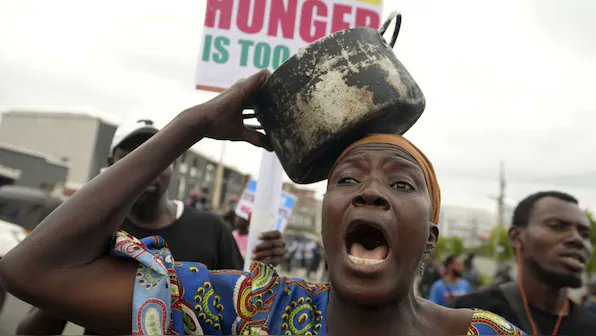
“I am deeply troubled by the latest report from the UN’s World Food Programme, indicating that northern Nigeria is experiencing its most severe hunger crisis in nearly a decade. Over 17 million people in nine northern states face crisis-level hunger, with more than 35 million Nigerians nationwide at risk during this challenging season,” he said.
Obi described the situation in Borno State as particularly disturbing, saying the growing number of residents experiencing extreme food deprivation represents a national failure.
“The fact that over 10,000 residents of Borno State have entered ‘catastrophic’ hunger conditions represents not only immense human suffering but also a profound national failure. Nigeria should not rank among the world’s hungriest nations, given its abundant resources, particularly the vast stretches of fertile, uncultivated land in the North,” he added.
He attributed the worsening food crisis to persistent insecurity and the inability of farmers to safely cultivate their land, warning that meaningful progress would remain difficult unless farming communities are adequately protected.
According to Obi, “This food crisis stems from two critical structural failures: insecurity and farmers’ inability to access their lands. Banditry and insurgency have turned agrarian communities into displacement zones. Until we secure our agricultural areas, we cannot secure our future.”
He further criticised what he described as short-term approaches to agriculture, insisting that sustainable solutions must focus on improving productivity and rebuilding rural infrastructure.
“Our global hunger ranking continues to worsen because of our proclivity for adopting superficial measures that do little to boost agricultural productivity or transform rural infrastructure. We need to adopt policies that address the structural barriers to agricultural productivity and transform our land resources into agro-industrial output. We can overcome hunger and poverty if we urgently shift our focus from consumption to production,” Obi stated.
The former governor concluded by urging the nation’s leaders to place greater value on the lives and livelihoods of Nigerians through investments that promote food production and rural development.
“A New Nigeria, devoid of hunger and mass poverty – a Nigeria where we transform our arable land into productive acreage – remains attainable, but it demands leadership that prices the lives and livelihoods of the Nigerian people above grandiose road dualisation projects. A New Nigeria is POssible.”