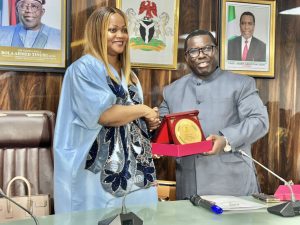
National Agency for Food and Drug Administration and Control (NAFDAC) has assured Nigerians, particularly parents and caregivers, that all Nestlé infant formula products approved for sale in Nigeria are safe for consumption.
In a statement issued on Monday, the Director-General of NAFDAC, Prof. Mojisola Adeyeye, clarified that infant formula brands authorised for the Nigerian market were not affected by Nestlé UK’s recent voluntary recall announced in over 50 countries.
“The approved infant formulae marketed in Nigeria are not part of the voluntary recall announced by Nestlé UK,” Adeyeye said.
She explained that the recall was initiated following concerns over the possible presence of cereulide, a toxin known to cause nausea and vomiting when consumed.
According to her, cereulide is a highly heat-resistant toxin produced by certain strains of the bacterium Bacillus cereus.
Adeyeye noted that the SMA infant formula range available in Nigeria is produced at the Nestlé Tuas Factory in Singapore and is fully registered with NAFDAC.
She identified the approved products as SMA Gold 1, SMA Gold 2, and SMA Gold 3, all of which carry valid NAFDAC registration numbers.
The NAFDAC boss further disclosed that the agency had verified that both SMA and NAN infant formulae manufactured specifically for the Nigerian market were not among the batches affected by the recall in other countries.
“The alert was issued purely as a precaution, in line with our duty to keep Nigerians informed of global food safety concerns,” she said.
Adeyeye, however, cautioned that potential risks linked to unauthorised imports, online purchases, or products personally brought into the country during travel cannot be completely eliminated.
She stressed that NAFDAC continues to exercise strict regulatory oversight through product registration, routine inspections, market surveillance, and post-market monitoring of infant nutrition products nationwide.
Reaffirming the agency’s mandate, Adeyeye said NAFDAC remains committed to safeguarding public health, especially that of infants and other vulnerable populations.
“Nigerians should rely only on verified information from NAFDAC and relevant authorities,” she advised.
She also urged members of the public to immediately discard any recalled products encountered and to report any suspected sale or distribution of such items to the nearest NAFDAC office.