Executive Secretary of the Borno State Primary Healthcare Development Board (BOSPHCDB), Professor Mohammed Arab Alhaji, has called on media organizations to play a pivotal role in promoting the state-wide Measles and Rubella (MR) integrated vaccination campaign.
The initiative aims to sensitize, advocate, and mobilize communities on the importance and benefits of the MR vaccine.
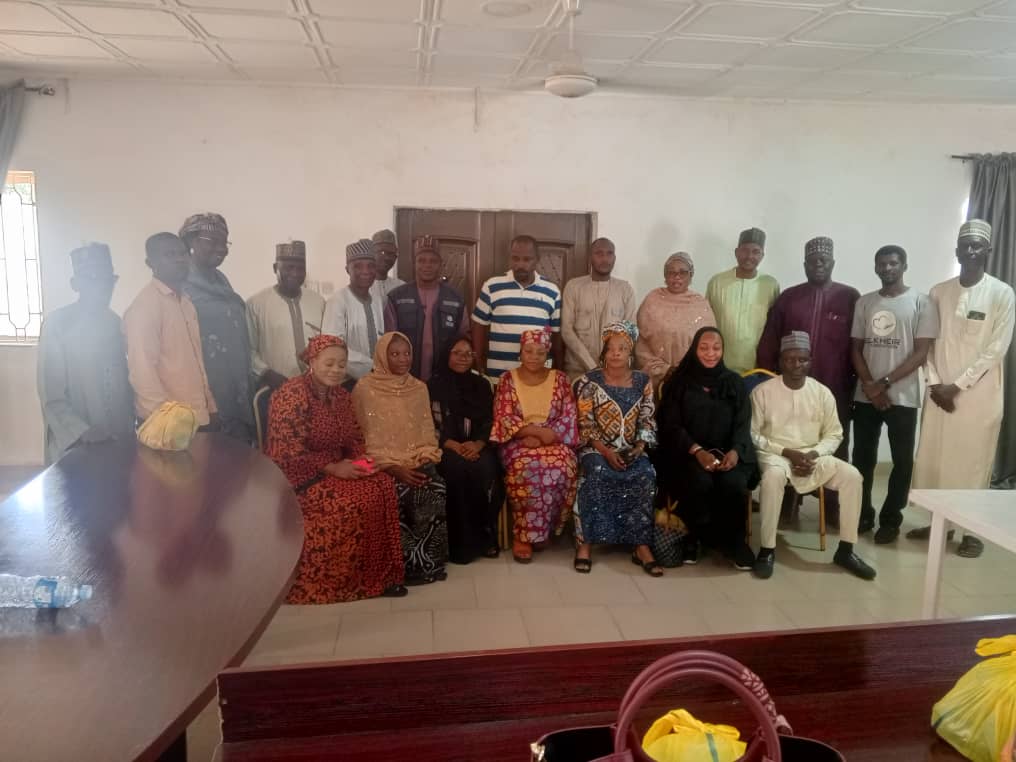
Speaking at a one-day media sensitization workshop held on Thursday at the NUJ Press Center Conference Hall in Maiduguri, Professor Arab, represented by Hajiya Fati Ali, Director of Disease Control and Immunization, emphasized the media’s critical role in disseminating accurate information.
The workshop, designed for journalists from radio, television, print, online platforms, and social media managers, sought to equip participants with up-to-date data on the campaign’s goals, target population, timelines, and key messages.
“Your platforms reach every household and community, making you key drivers of accurate information, public trust, and community mobilization,” Professor Arab said.
“Today’s session will brief you on the campaign objectives, key messages, and your role in promoting timely and correct information.
“Together, we can counter misinformation, address vaccine hesitancy, and ensure that every eligible child is reached.
“I urge you to engage actively, ask questions, and use your platforms to amplify the call for parents and caregivers to present their children for vaccination.” He said.
The campaign aims to reduce measles and rubella incidence in Nigeria to fewer than 5 cases per million by 2026 and 1 case per million by 2030, while achieving 95% vaccination coverage among children aged 9 months to 14 years.
Borno State Immunization Officer, Ali D. Gambo, highlighted the campaign’s objectives, including strengthening immunization systems and achieving over 85% coverage for measles zero-dose children.
“It is to strengthen the immunization system by using the 225 SUA microplanning to improve performance and strengthen AER surveillance to achieve 90% coverage with OPV2 in states conducting polio campaigns,” Gambo explained.
Mohammed Salisu from the World Health Organization (WHO) outlined the public health implications of measles and rubella, noting their high contagiousness and severe complications, such as pneumonia, red eyes, and cough.
“Measles is highly contagious and can cause death, especially in young children, while rubella during pregnancy can lead to Congenital Rubella Syndrome (CRS),” Salisu said.
He emphasized the importance of risk assessments using WHO’s Excel-based tool, updated annually and reviewed quarterly at the local government level, to guide and strengthen measles elimination efforts.
Borno State Health Educator, Babakura Ali underscored the media’s vital role in raising awareness about the contagious nature of measles and rubella.
“Measles spreads easily when an infected person coughs, sneezes, or talks, while rubella can be transmitted from mother to child through the placenta,” he said.
“Children under 5, especially the unvaccinated, pregnant women, the elderly, and malnourished individuals are most at risk.”
Ali explained that the MR vaccine, which is safe, effective, and free, protects against both diseases and prevents CRS.
“For this campaign, all children aged 9 months to 14 years are eligible to get the Measles-Rubella vaccine,” he said, adding that it will be available at public health facilities and temporary immunization posts. Mild side effects, such as pain or fever, may occur but typically resolve quickly.
“In case of any unusual symptoms, report to the nearest health facility immediately,” Ali advised.
The workshop also aimed to foster community engagement and clarify media coordination with health authorities.
“Integrate MR key messages into your programs as news items and public service announcements,” Ali urged.
“Reach out to health departments for credible experts, produce human interest stories, and sensitize communities on completing routine immunization schedules.”
The Borno State campaign is part of a broader effort to close immunity gaps, reduce the incidence of vaccine-preventable diseases, and strengthen routine immunization across Nigeria.