Flooded area
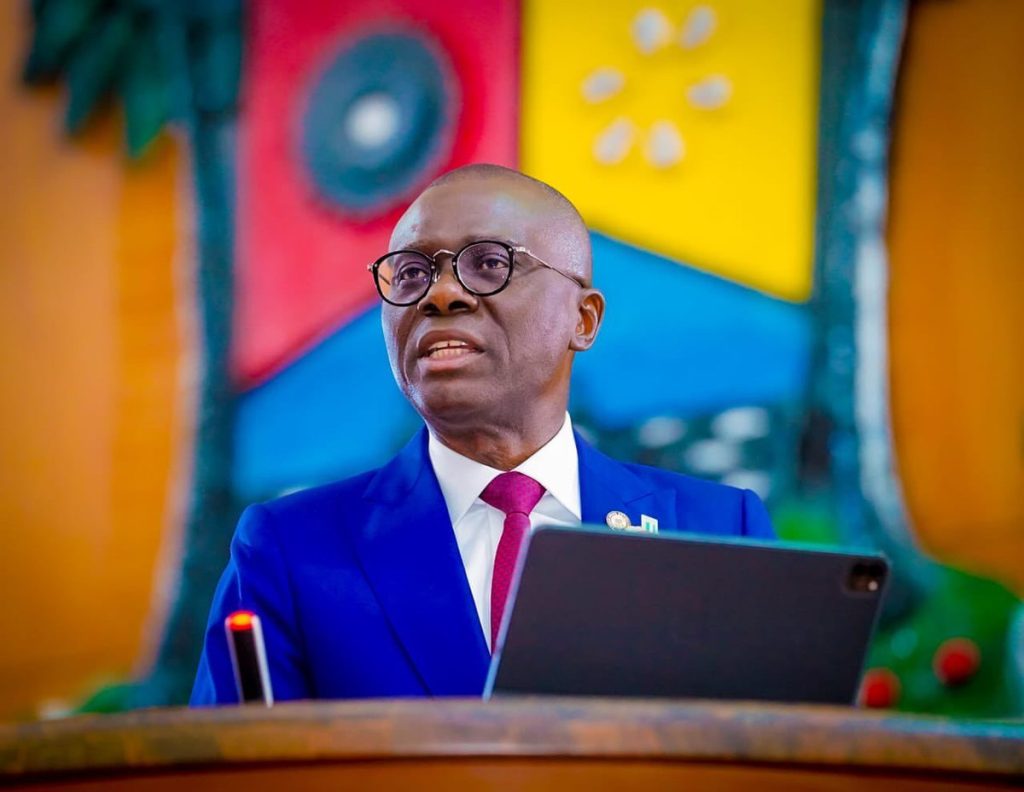
Lagos State Government has appealed to residents to remain calm following the flash flooding recorded across several parts of the state after days of persistent rainfall, announcing that Governor Babajide Sanwo-Olu has approved the immediate dredging and maintenance of 28 additional primary drainage channels.
The Commissioner for the Environment and Water Resources, Tokunbo Wahab, made the disclosure on Tuesday while addressing concerns over the widespread flooding that affected communities including Victoria Island, Lekki, Ikeja, Gbagada, Mushin, Mafoluku and other parts of Lagos.
According to a statement issued by the Ministry’s Director of Public Affairs, Kunle Adeshina, the commissioner explained that the recent flooding resulted from an extreme weather event that dumped an unusually large volume of rainwater within a short period, temporarily overwhelming drainage systems in some locations.
Wahab noted that the situation was not unique to Lagos, explaining that several cities across Africa and North America also experienced severe flooding from the same weather system.
He said although many coastal cities face similar challenges, Lagos has a more complicated hydrological landscape because of its extensive network of lagoons, rivers, creeks and tidal water bodies, coupled with its high rainfall intensity.
The commissioner explained that the interaction between the Atlantic Ocean, the Lagos Lagoon and the state’s numerous rivers and creeks, especially during high tide, naturally slows the discharge of stormwater into the sea, leading to temporary flooding in low-lying communities whenever exceptionally heavy rainfall occurs.
He assured residents that the state government was actively monitoring drainage infrastructure, flood-prone communities and critical waterways to minimise the impact of the flooding.
According to him, emergency response agencies have remained on the ground to ensure that floodwaters recede as quickly as weather conditions allow while providing support to affected residents.
While reaffirming the government’s commitment to tackling flooding through continuous investment in drainage construction, channelisation, desilting and other flood-control projects, Wahab stressed that residents also have a crucial role to play.
He urged Lagosians to avoid dumping refuse into drains, canals and waterways, warned against illegal reclamation of wetlands and construction on drainage alignments, and cautioned that such practices obstruct the free flow of stormwater and worsen flooding during periods of heavy rainfall.
Speaking on the broader environmental challenge, Wahab said climate change continues to increase the frequency and intensity of rainfall in coastal cities around the world.
“Lagos is not exempted from these realities; However, the State Government remains steadfast in its commitment to building a flood-resilient city through sustained infrastructure development, environmental enforcement, and active collaboration with residents,” he said.»
The commissioner also advised motorists to avoid driving through flooded roads during heavy rainfall and urged residents, particularly those living in flood-prone areas, to pay attention to weather forecasts and comply with safety advisories issued regularly by relevant government agencies.
Tuesday’s heavy downpour left many roads submerged, disrupting transportation and stranding commuters across several parts of the state. Videos shared by residents and public figures on social media showed vehicles trapped in floodwaters as drainage channels struggled to cope with the volume of rainfall.
Despite the challenges, the Lagos State Government maintained that protecting the city from flooding requires a collective effort, calling on residents to support ongoing interventions by keeping drainage channels free of waste and promptly reporting activities capable of obstructing the natural flow of stormwater.Focus Keywords: Lagos flooding, Sanwo-Olu, Tokunbo Wahab, Lagos flash floods, drainage channels, Lagos rainfall, flood control, Lagos Government.