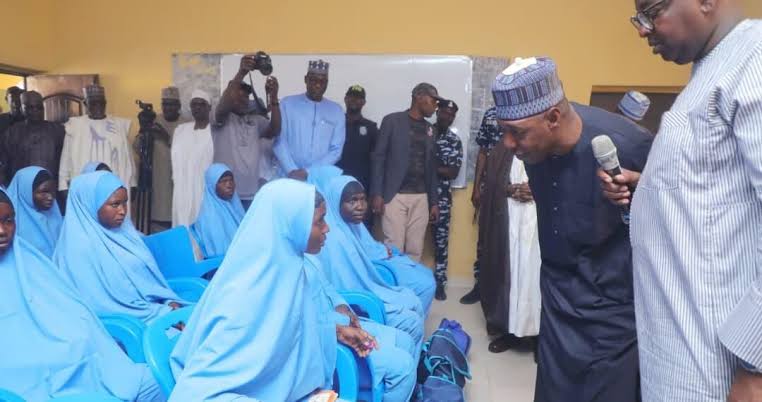
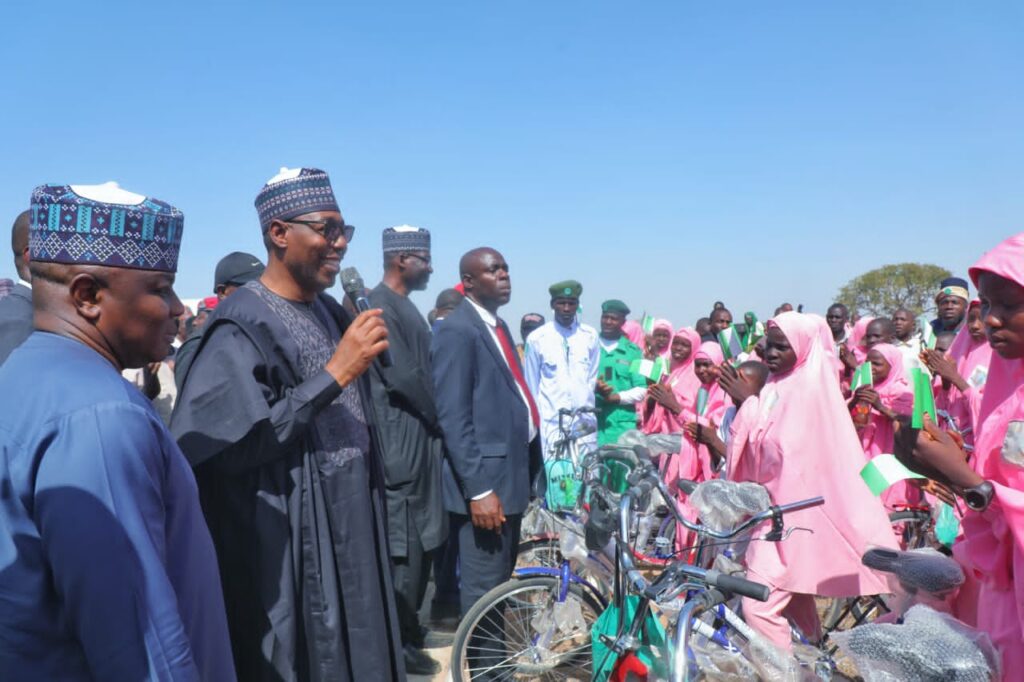
Borno State Governor, Babagana Zulum interacting with school pupils
Education remains a central pillar of post-insurgency recovery and long-term development in Borno State in 2025, as the Babagana Umara Zulum-led administration intensified policy interventions, funding commitments, and partnerships aimed at restoring access, quality, and inclusiveness across the education sector.
However, despite notable gains in infrastructure, scholarships, and enrolment support, persistent structural challenges—particularly out-of-school children, learning outcomes, and sustainability—continued to shape the education narrative during the year 2025.
One of the most defining features of educational development in Borno State in 2025 was the government’s sustained emphasis on access-oriented interventions, particularly scholarships, examination fee subsidies, and targeted support for vulnerable groups.
The approval and disbursement of approximately ₦706.5 million in scholarship awards for both local and international students marked a continuation of the state’s human capital development strategy in the post-insurgency era.
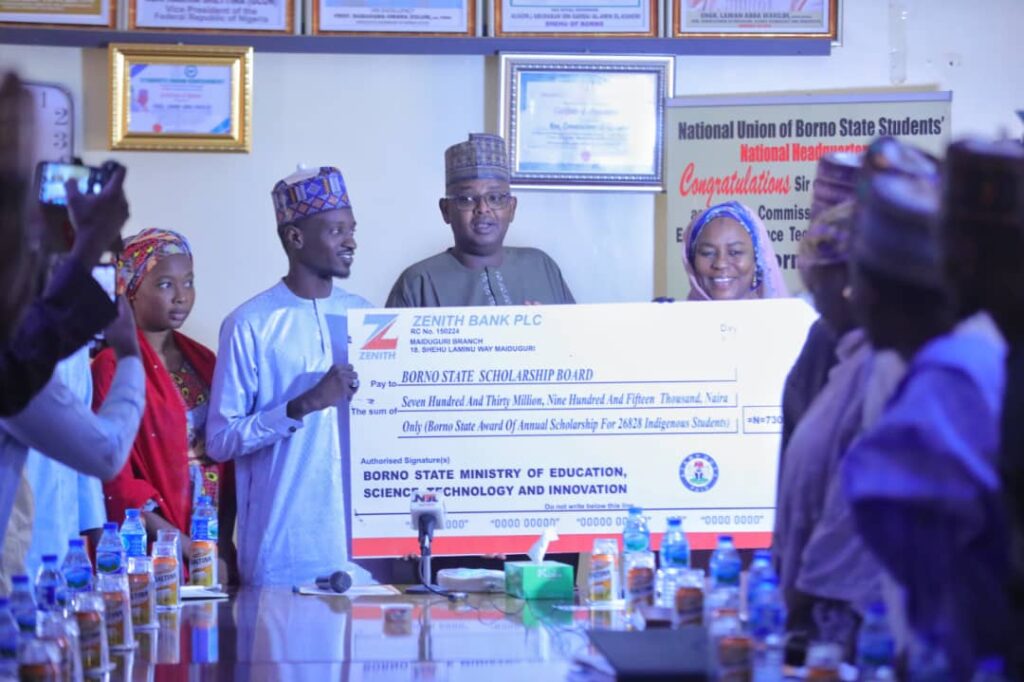
Beneficiaries included orphans, internally displaced students, and academically outstanding indigenes studying medicine, engineering, and other critical fields.
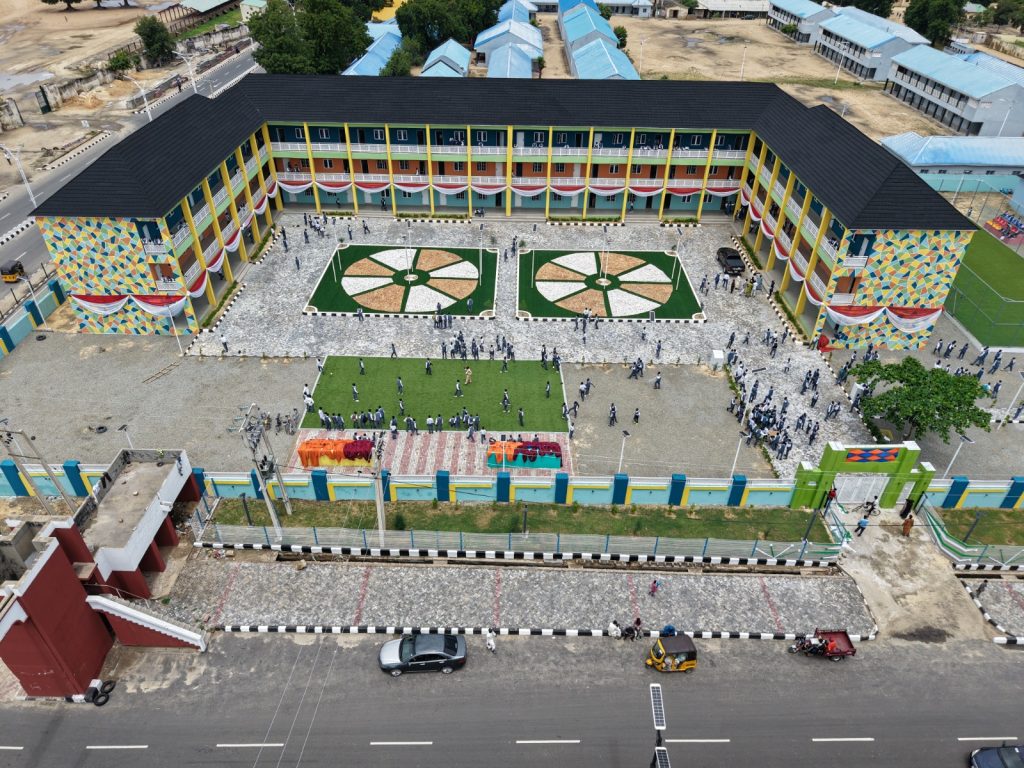
This intervention helped to restore academic aspirations disrupted by the destruction of educational facilities across the state’s 27 local government areas during the Boko Haram insurgency.
In a gender-focused policy move, Governor Zulum announced full scholarships for all female indigenes who scored 250 and above in the 2025 UTME, a decision widely interpreted as an effort to close gender gaps in higher education and encourage female participation in STEM and vocational disciplines.
This made commendable educational analysts argued that such merit-based incentives may still exclude a large population of conflict-affected girls whose educational journeys were interrupted long before standardised examinations due to the insurgency.
For instance, a seasoned class teacher and educationist, Dr. Hassan Hussaini who is also the Director/Proprietor of Community Integrated Islamic School Bulumkutu Maiduguri city told our Correspondent that,” in terms Examination Support and Retention of WAEC and NEC exams fees in Reducing Financial Barriers of both the parents and students/candidates across the 27 LGAs of the state but only public secondary schools, the state government’s payment of over ₦529 million in WASSCE fees for more than 26,000 final-year public secondary school students has significantly reduced household financial burdens and improved retention at the senior secondary level”.
“This policy has effectively subsidised examination costs by about 75 per cent, reinforced the administration’s commitment to ensuring that economic hardship does not become a barrier to school completion,” Dr Hassan said.
The seasoned class teacher and head of school, added that, “However, the absence of publicly available state-specific performance data raises questions about the learning outcomes of such investments.”
“National WASSCE results for 2025 revealed that only 38.32 per cent of candidates obtained five credits including English and Mathematics, a sharp decline from 72.12 per cent recorded nationally in 2024.
“Without disaggregated data for Borno State, it remains difficult to assess whether increased access translated into improved academic performance locally.
“But Teacher Capacity and Educational Administration as well as Incremental Gains are commendable as Teaching quality and standard have improved and remained a focal point in 2025 with 1,181 teachers undergoing training and re-training programmes designed to enhance classroom delivery and pedagogical skills,” Dr Hassan said.
While this initiative represents progress, education stakeholders such as a tertiary institution lecturer, Malam Babagana Maina was of the view that,” the scale of training remains modest relative to the number of schools rebuilt and reopened across the state.