Minister of Education, Tunji Alausa
Federal Government’s Learning, Uniting, Modernizing, Innovation, Nuturing, Accelerating and Harmonizing (LUMINAH) 2030 initiative is a beacon of hope for millions of Nigerian girls and women.
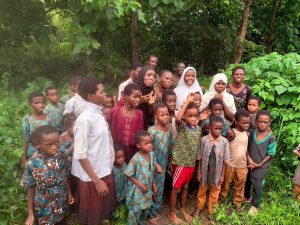
This laudable program aims to empower over one million underserved girls and women by 2030 through education, vocational training, and leadership development.
Girls and women in Nigeria face numerous challenges that hinder their social, economic, and political development.
Some of the key issues include:
*Economic Challenges*:
Lack of Financial Empowerment: Limited access to credit and capital, making it difficult for women to start or expand businesses.
Poverty: Women are disproportionately affected by poverty, with many living in rural areas with limited access to resources.
Income Inequality: Women earn significantly less than men for the same work, perpetuating the cycle of poverty.
*Social Challenges*:
Gender-Based Violence: Domestic violence, sexual abuse, and other forms of violence are prevalent, with weak legal protections and societal stigma often silencing victims.
Cultural Discrimination: Harmful traditional practices like female genital mutilation (FGM), early marriage, and widowhood rites limit women’s autonomy and self-worth.
Limited Access to Education: Girls are often denied quality education due to early marriage, teenage pregnancy, or family preferences for investing in male children.
*Health Challenges*:
Maternal Mortality: Nigeria accounts for a significant percentage of global maternal deaths, with many women lacking access to antenatal care and trained healthcare professionals.
Limited Access to Healthcare: Women often lack access to quality healthcare services, exacerbating health issues and increasing mortality rates.
*Political Challenges*:
Limited Representation: Women are underrepresented in politics, with only 6% of women actively participating and a mere 7.34% of senators in parliament being women.
Intimidation and Violence: Women face physical, sexual, and psychological violence during elections, discouraging them from participating in politics.
These challenges are interconnected and perpetuate the cycle of poverty, inequality, and limited opportunities for girls and women in Nigeria.
Addressing these issues requires a comprehensive approach that involves government policies, civil society efforts, and individual actions to promote gender equality and empower women
*Objective*:
LUMINAH 2030 seeks to dismantle exclusion, poverty, and silence, focusing on education access, vocational skills, and leadership training for girls and women.
The program has three phases:
Root Phase: Empowers women through financial literacy and vocational skills training, linking economic progress to increased school enrollment for their daughters.
Stem Phase: Provides accelerated basic education to out-of-school girls aged 5-15 using interactive learning models.
Bloom Phase: Supports adolescent girls aged 15-18 with access to senior secondary education, vocational training, and leadership development.
Twelve states have been selected as pilot states across Nigeria’s six geopolitical zones, including Yobe, Taraba, Kano, Jigawa, Benue, FCT, Ebonyi, Anambra, Bayelsa, Akwa Ibom, Lagos, and Oyo.The initiative is supported by federal and state governments, private sector stakeholders, and development partners, reflecting a coordinated national effort to uplift women and girls.
By targeting marginalized populations and promoting inclusive growth, LUMINAH 2030 has the potential to transform the lives of countless Nigerians. The program’s phased approach, focusing on basic education, vocational skills, and leadership training, is designed to equip girls and women with the tools they need to succeed.
The Minister of Education, Dr. Maruf Tunji Alausa, and the Minister of State for Education, Professor Suwaiba Said Ahmad, have made several statements about LUMINAH 2030.
Dr. Alausa emphasized the importance of educating girls, stating that “the more girl child is educated, the more the cycle of poverty is broken.
Also, Professor Ahmad described LUMINAH 2030 as “a national movement to dismantle exclusion, poverty, and silence”, highlighting its potential to reshape Nigeria’s future through inclusive learning.

On her part, the Executive Secretary of the Universal Basic Education Commission (UBEC), Aisha Garba, noted that the migration of the LUMINAH 2030 Initiative from the Federal Ministry of Education to UBEC, as timely and necessary step to guarantee sustainability and long-term impact.
Speaking at the opening of a 5-Day programme on LUMINAH 2030-UBEC Migration and Establishment Agenda, in Abuja, Garba said the initiative represents a bold national drive to educate and economically empower one million underserved Nigerian girls by the year 2030.
“Lumina illuminates the path to education and empowerment. It integrates schooling, skills training, caregiver support, and community engagement to address the root causes that have kept our girls out of school,”.
According to her, embedding LUMINAH within UBEC ensures institutionalization, alignment with Nigeria’s education priorities, and a lasting legacy.
“By institutionalizing Lumina within UBEC, we ensure that it will not fade away, but endure. It is fully aligned with UBEC’s seven pillars in the 10-year roadmap (2021–2030) and the national education transformation agenda. Our expectations are clear: to deliver an inclusive, scalable, and data-driven model that reaches the most marginalized girls,”
With the Federal Government’s commitment to this initiative, LUMINAH 2030 is poised to make a lasting impact on Nigeria’s socio-economic landscape. As the program rolls out across 12 pilot states, it’s clear that this initiative has the potential to drive meaningful change and empower a brighter future for Nigeria’s girls and women.
Let’s support this noble endeavor and work together to create a more inclusive and prosperous Nigeria for all