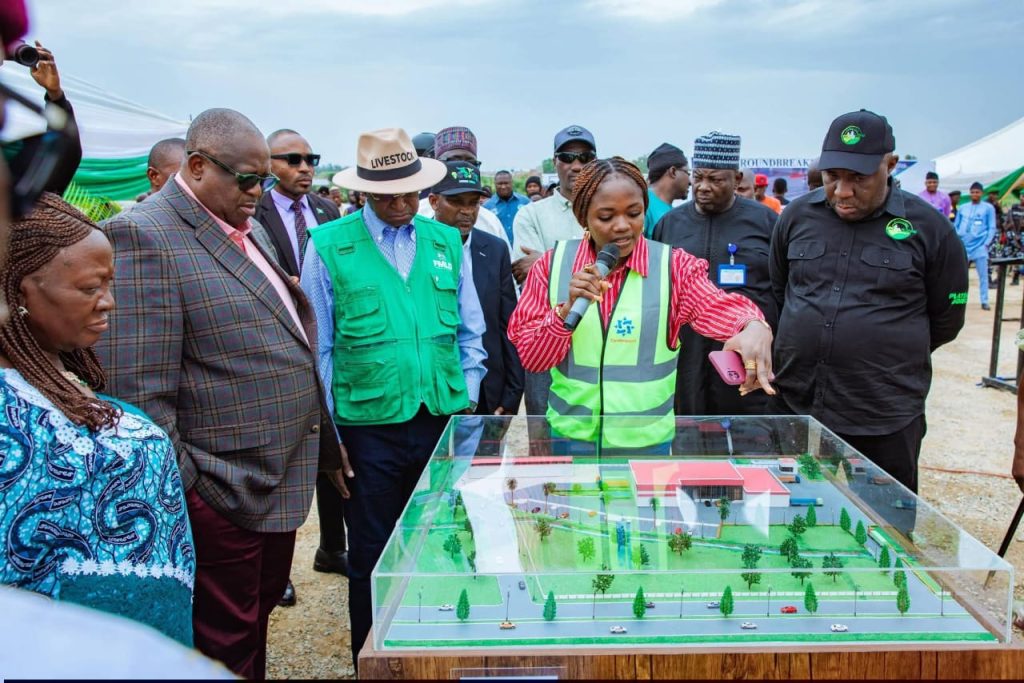
Plateau State has commenced construction of a 500-cattle-per-day ultra-modern abattoir in a move aimed at positioning the state as a major livestock processing and meat production hub in Nigeria.
Governor Caleb Mutfwang performed the groundbreaking ceremony for the facility at Pwomol Village, Heipang, alongside a Veterinary Teaching Hospital in Barkin Ladi Local Government Area, describing the projects as strategic investments designed to drive industrial growth, create jobs and strengthen the state’s livestock value chain.
The projects, supported by the Livestock Productivity and Resilience Support (L-PRES) Programme, form part of the state’s broader plan to develop the Heipang Special Agro-Processing Zone and deepen value addition in the agricultural sector.
Speaking at the ceremony, Mutfwang said the abattoir would replace traditional slaughter practices with modern meat processing infrastructure capable of handling 500 cattle daily.
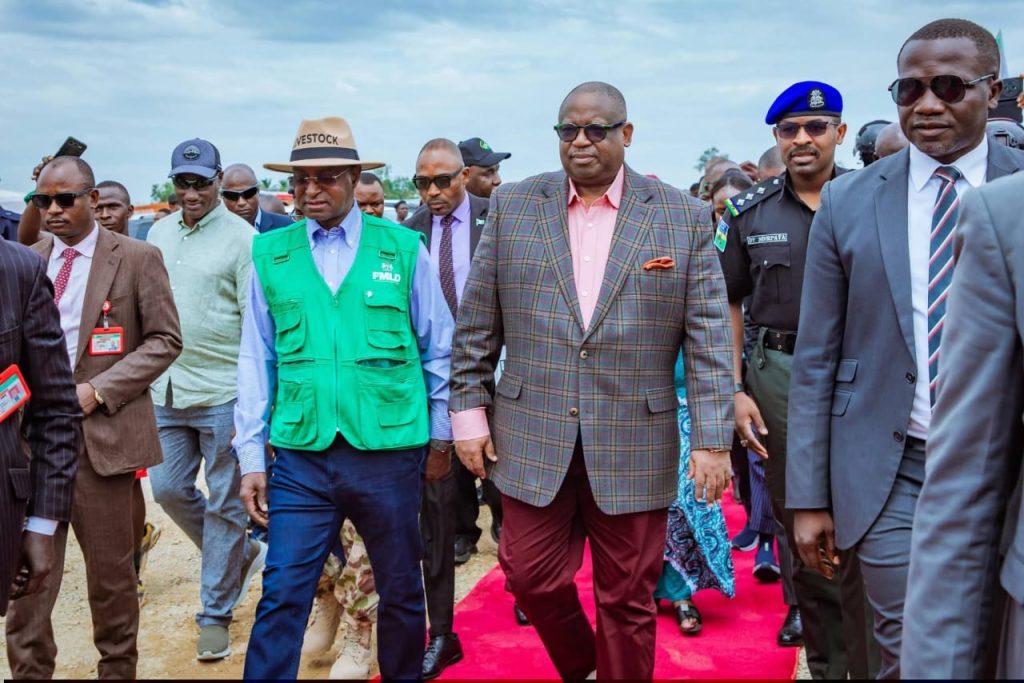
“Today marks the groundbreaking of a new economic future for Plateau State. We have gathered here at the Heipang Special Agro-Processing Zone to lay the foundation for an investment that will transform livestock from a traditional activity into a modern engine of wealth creation, industrial growth, and shared prosperity,” the governor said.
He added: “We are replacing crude and unhygienic slaughter practices with a world-class, automated abattoir capable of processing 500 cattle daily—the largest facility of its kind in this region.”
According to the governor, the project is expected to unlock opportunities across the livestock value chain, attract private investment, improve food safety standards and create sustainable jobs for youths and entrepreneurs.
Mutfwang argued that economic transformation depends on moving beyond the export of raw commodities to value-added production.
“The difference between poverty and prosperity is often the difference between producing and processing. That is why agro-processing and value addition remain central pillars of our economic development strategy,” he said.
He explained that the administration’s vision was to ensure that every stakeholder within the livestock ecosystem benefits from the Special Agro-Processing Zone.
“Farmers who grow maize and soybeans for animal feed must benefit. Youths involved in livestock transportation must benefit. Entrepreneurs operating cold rooms must benefit. Processors packaging meat products must also benefit,” he stated.
“The Heipang Special Agro-Processing Zone is a strategic platform that will attract private investment, improve food safety standards, expand market access, stimulate industrial development, create jobs, and most importantly, generate wealth for our people.”
The governor expressed confidence that the projects would be completed within one year and commended the host community for its support.
Also speaking, the Minister of Livestock Development, Alhaji Idi Mukhtar Maiha, described Plateau State as one of the most strategically positioned states to drive Nigeria’s livestock transformation agenda.
According to the minister, Plateau possesses “a hospitable climate, resilient farming communities, strategic road, rail, and airport connections, as well as a long-standing tradition of excellence in animal health services.”
Maiha said the project represented a significant shift in Nigeria’s livestock industry.
“This project symbolizes our transition from informal slaughter systems to modern meat production; from waste to value creation; and from the trade of raw live animals to an integrated livestock and meat industry,” he said.
He stressed that modern livestock infrastructure remains critical to improving public health, increasing productivity and unlocking export opportunities within the sector.
Commissioner for Livestock Development, Veterinary Services and Fisheries, Dr Sunday Akpa, described the initiative as a historic milestone capable of boosting foreign exchange earnings and positioning Plateau as a major destination for livestock investment.
Similarly, Commissioner for Agriculture and Rural Development, Hon. Samson Bugama, said the facility would serve as the anchor project for the state’s 500-hectare Special Agro-Processing Zone.
He noted that the livestock value chain, long regarded as a sleeping giant, was now being strategically positioned to drive exports, industrial growth and wealth creation.
The commissioner added that the project would stimulate feedlot development, attract cold-chain investors, leather processors and feed mill operators, while creating opportunities for farmers, herders, transporters, butchers and other stakeholders.
Community leaders and stakeholders who attended the ceremony commended the state government for embarking on what they described as a transformative project capable of repositioning Plateau as a leading destination for livestock investment and agro-industrial development in Nigeria.