Brig Gen Buba Marwa (Rtd) of NDLEA
Chairman of the National Drug Law Enforcement Agency (NDLEA), Brigadier General Buba Marwa (Rtd.), has clarified the agency’s stance on cannabis oil, stating it supports regulated exportation while strongly opposing domestic consumption.
Speaking at a stakeholders’ workshop in Abuja on Wednesday, Marwa emphasized that while the NDLEA is open to dialogue on the medicinal prospects of cannabis oil, its position remains firmly rooted in caution, science, and public health safety.
“Our position on cannabis oil is simple: we welcome dialogue,” Marwa said. “We believe Nigeria must make informed choices, not choices driven by half-truths, commercial interests, or global trends.”
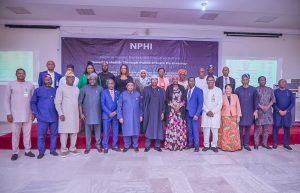
The event, themed: _“Cannabis Oil Debate: The Path Forward for Nigeria”,_ was convened by the Nigerian Academy of Science and brought together scientists, health experts, and policymakers to assess the facts and risks surrounding cannabis oil.
*Open to science, but cautious on policy*
Marwa reiterated that the NDLEA is not anti-science or anti-innovation but insists that public policy must prioritize lives and public health above all else.
“Let me assure you that NDLEA is not opposed to science, nor are we indifferent to innovation. What we insist on is caution,” he said.
“Policy must protect lives, safeguard public health, and strengthen—not weaken—our fight against drug abuse.”
Why NDLEA Supports Cannabis Oil Export
Marwa explained that the agency supports the controlled export of cannabis oil to countries where its medicinal use is legally permitted. This, he said, could potentially enhance Nigeria’s foreign exchange earnings.
“In essence, we are not opposed to the idea of exporting the oil to those who desire it,” he said.
“But such must be strictly controlled, licensed and monitored by NDLEA with such process located only within export free zones.”
He added that countries differ in their approach to cannabis use, with some approving its medical use, while others, including Nigeria, have not.
*Balancing medical promise with public risk*
According to Marwa, the ongoing conversation around cannabis is necessary, especially given the public health risks tied to its misuse.
He criticized the tendency of some advocates to focus only on the benefits while ignoring the downsides.
“For decades, the debate has been one-sided,” he noted.
“Advocates often highlighted the supposed benefits of cannabis oil, while its risks and consequences were glossed over.”
To guide its position with empirical data, Marwa disclosed that the NDLEA had commissioned a scientific study on cannabis oil through the Nigerian Academy of Science.
“In a country like Nigeria, which is already contending with a high burden of drug abuse, it is imperative that we approach this matter with sobriety, clarity, and balance,” he stressed.
*The Public Health Reality*
Marwa warned that cannabis and its derivatives pose serious mental health risks, especially for young people.
“Evidence shows that cannabis, including its oil extracts, can have adverse effects on mental health, especially among young people,” he said.
“Prolonged or uncontrolled use is linked to anxiety, depression, psychosis, and cognitive issues. Addiction is a serious concern.”
He emphasized that beyond individual suffering, substance abuse imposes heavy social and economic costs on families and the wider society.
Another challenge, Marwa noted, is the inconsistency in cannabis oil production across various countries. Many products are unregulated, may vary in potency, and can contain harmful contaminants, especially when not used under medical supervision.
A Sobering Statistic
Marwa pointed to Nigeria’s alarming substance abuse data as a reason for restraint. According to the 2018 drug use survey, Nigeria has one of the highest global rates of cannabis misuse.
“For a country already grappling with a 14.4 per cent substance abuse prevalence rate—well above the global average of 5.6 per cent—and with a staggering figure of 10.6 million cannabis users, the risks associated with cannabis cannot be dismissed,” he warned.
He concluded by urging a balanced and evidence-based approach to policymaking:
“While cannabis oil may have medical potential, its dangers are real and must be addressed with strong safeguards before any policy shift is considered.”