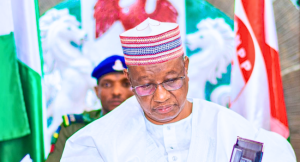
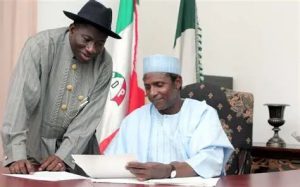
Junta Leaders in Mali, Niger and Burkina Faso
In a sweeping rejection of international oversight, the military-led governments of Mali, Burkina Faso, and Niger Republic have announced their joint withdrawal from the International Criminal Court (ICC), declaring they no longer recognize its authority.
In a strongly worded statement, the three Sahelian nations described the ICC as an “instrument of neo-colonialist repression”, accusing it of selective prosecution and bias in investigating war crimes.
> “We no longer recognise the jurisdiction of the ICC,” the statement read.
The trio emphasized their commitment to “protecting human rights in accordance with national values,” but insisted that justice must not be dictated by external actors.
This move mirrors their earlier collective withdrawal from ECOWAS in 2024, also citing foreign interference and unequal treatment. The latest decision comes amid mounting international scrutiny over alleged war crimes committed by national armies and allied militias during counter-insurgency operations against jihadist groups.
*Background: Justice, Power, and the Sahel*
The International Criminal Court, headquartered in The Hague, was established in 2002 to try individuals for genocide, war crimes, and crimes against humanity. While all EU nations are signatories, major powers like the United States, Russia, and Israel have declined to join, often citing concerns over sovereignty.
Now, Mali, Burkina Faso, and Niger — all former French colonies — join that list, deepening their geopolitical shift away from Western alliances. Since a series of coups between 2020 and 2023, the juntas have gradually pivoted toward Russia for military and strategic support, sidelining former Western partners.
Despite rich deposits of gold, uranium, and other minerals, the three countries remain among the world’s poorest, plagued by insecurity, poverty, and foreign exploitation — particularly in resource extraction sectors dominated by European and North American firms.
*Human Rights Concerns Mount*
UN experts and human rights organizations have repeatedly accused the national armies of serious abuses, including summary executions and civilian massacres, in their fight against jihadist insurgencies. While domestic investigations have been promised, none have yet yielded public outcomes.
By withdrawing from the ICC, the Sahelian governments have effectively closed one of the few remaining international avenues for accountability — drawing sharp criticism from rights groups who fear it could lead to increased impunity.
The region also remains a strategic corridor for migration and smuggling toward Europe, placing it at the crossroads of geopolitics, security, and humanitarian concern.
With this latest move, the governments of Mali, Burkina Faso, and Niger have firmly aligned their legal and political destinies, signaling a continued defiance of Western influence — and a growing willingness to chart their own path, no matter the diplomatic fallout.