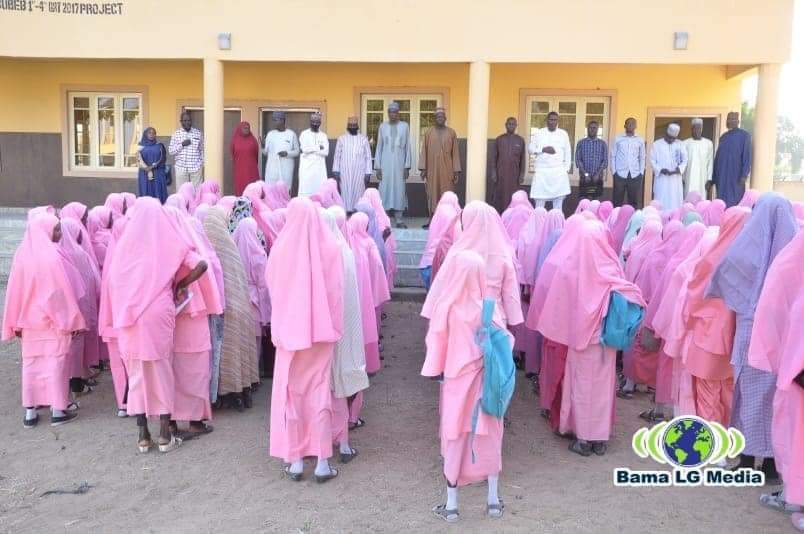
Early marriage remains a persistent global concern, with devastating consequences for adolescent girls—especially in northern Nigeria where the practice continues to affect education, health, and long-term economic stability. Defined as marriage before the age of 18, early marriage exposes young girls to a cycle of vulnerability that often extends into adulthood and even affects the next generation.
This report examines how early marriage shapes the lives of adolescent girls and young mothers, with a focus on their rights, personal development, and family structures.
*Education Cut Short, Futures Limited*
A class teacher, Yagana Modu, a seasoned educationist at Bulumkutu Community Integrated Islamiyya School in Maiduguri, highlighted the urgent need for intervention.
According to her, multiple barriers continue to hinder girl-child education, demanding coordinated efforts from both government and non-governmental organisations.
She explained that early marriage frequently forces girls to abandon their education prematurely.
> “Many are forced to drop out of school to fulfill domestic roles or support their new families. This lack of education not only limits their job opportunities but also perpetuates cycles of poverty,” she said.
Yagana added that research consistently shows that educated women are better equipped to make informed decisions regarding their health and family planning, resulting in improved outcomes for themselves and their children.
*Health Risks and Emotional Strain*
Beyond education, early marriage also exposes adolescent girls to serious health challenges. Yagana noted that early pregnancy remains a critical concern.
“Their bodies, still in development, may not be ready for childbirth, increasing the likelihood of complications such as maternal mortality and childbirth injuries.
“Additionally, early pregnancies are often unplanned and poorly timed, which may result in inadequate prenatal care, affecting both mother and child’s health.
“Furthermore, these young mothers are at greater risk for mental health issues, including postpartum depression,” she said.
*Economic Dependence and Social Limitations*
A Director of Women and Children Affairs with a non-governmental organisation in Borno State (name withheld) pointed to the broader social and economic implications of early marriage.
She explained that parental and societal pressures often push girls into marriages that strip them of independence.
According to her, young brides are frequently confined to traditional gender roles, limiting their participation in household decision-making.
She added that early marriage restricts women’s ability to earn an income, deepening their dependence on spouses and reinforcing economic inequality.
*Impact on Children and Future Generations*
Experts warn that the consequences extend beyond the young mothers themselves.
The NGO official stressed that children born to adolescent mothers face increased risks, including developmental delays and poor nutrition.
“These children often experience instability and poverty, which can hinder their educational prospects, creating a generational cycle of disadvantage,” she said.
*Cultural Norms and Growing Resistance*
In many communities, early marriage remains deeply rooted in tradition and social expectations. However, there is a growing pushback through advocacy, education, and empowerment programmes.
Organisations working in this space are focusing on raising awareness, promoting legal reforms, and improving access to reproductive health services to address the issue.
*Pathways to Change: Education, Health, and Policy Reform*
The Principal of Talbat Arabic and Islamic School, Sajeri Ajilari Cross, Maiduguri, Malam Abdulhamid Muhammad, emphasized the need for a multi-dimensional approach.
He noted that improving access to quality education is key to empowering girls to delay marriage and childbirth.
He also called for stronger health support systems within schools, including reproductive and mental healthcare services for female students.
Similarly, a Village Head (Bulama) in Moronti Community stressed the importance of community engagement.
He said working with local leaders to challenge harmful cultural norms can encourage families to keep girls in school and support them in becoming self-reliant.
*Legal Framework and Policy Enforcement*
Legal expert Barrister Mohammed A. Bukar, a solicitor and advocate based in Maiduguri, underscored the role of policy reform.
He called for stronger enforcement of laws that set minimum marriage ages.
According to him, such legal protections are essential in safeguarding adolescent girls from early marriage and ensuring their right to education and development
*Conclusion*
The effects of early marriage are far-reaching, touching every aspect of a young girl’s life—from education and health to economic independence and family stability. Addressing this issue requires collective action from governments, communities, and development partners. Only through sustained commitment can a more equitable and promising future be secured for adolescent girls across northern Nigeria.