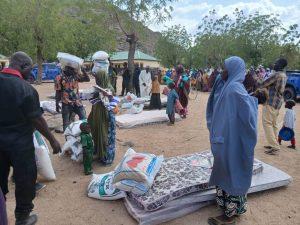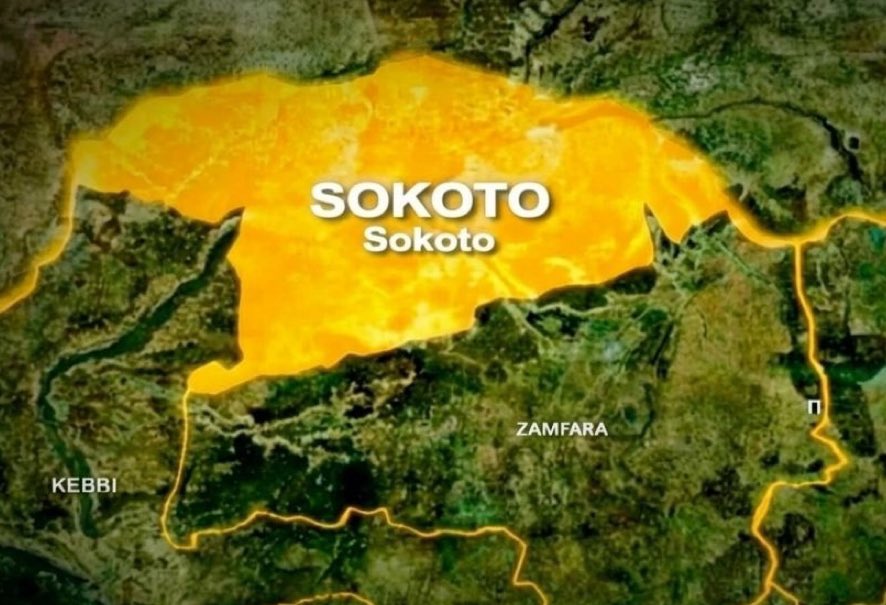
Sokoto State in Northwest Nigeria is notorious for kidnapping and banditry activities
Key stakeholders in Sokoto State on Tuesday converged at Dankani Hotels to review and validate findings from the Peace and Conflict Analysis (PCA) research report, emphasizing the importance of inclusive contributions in shaping sustainable peace strategies.
The validation session, organised by the Crest Research and Development Institute (CRADI), is part of a broader initiative funded by the European Union and implemented by International Alert in collaboration with Action Against Hunger and Save the Child Initiative (STCI).
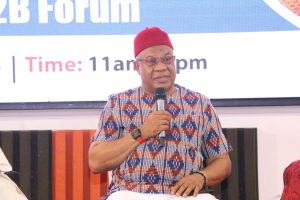
In his opening remarks, the Programme Manager, Nigeria, International Alert, Mr. Sunday Momoh Jimoh, said the exercise was designed to harmonise stakeholder perspectives and strengthen the credibility of the report.
He noted that meaningful engagement from diverse groups would ensure the research reflects realities on the ground and gains wider acceptance.
According to him, the report touches on sensitive issues surrounding peace and conflict, making stakeholder input indispensable to achieving a balanced and actionable outcome.
Presenting the report’s overview, methodology, and key findings, PCA Data Analyst and Field Coordinator, Mr. Rinji Kwarkas, disclosed that conflict exposure across Sokoto remains alarmingly high.
He revealed that 90.82 percent of respondents reported either experiencing or witnessing conflict within their communities.
> “The report presents the finding of Peace and Conflict Analysis (PCA) conducted by Crest Research and Development Institute (CRADI) on behalf of International Alert and it’s consortium partners (Action Against Hunger and Save The Child Initiative) to inform the implementation of the Residence, Engagement and Conflict Prevention for At-Risk Population’ Protection (RECAP) Project in Sokoto State funded by the European Union”.
Further insights from the study show that banditry remains the most prevalent form of conflict in the state at 74.4 percent, followed by farmers-herders clashes and political conflicts, both at 54.5 percent. Resource-based disputes account for 41.9 percent, while communal conflicts stand at 20.6 percent.
Jimoh added that the research adopted a participatory, context-sensitive mixed-method approach, drawing data from all 18 local government areas in Sokoto State. He explained that the study examined conflict drivers, key actors, patterns, and evolving dynamics, alongside existing peacebuilding opportunities.
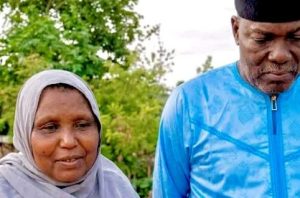
Earlier, the District Head of Gagi, Sarkin Yakin Gagi, Alhaji Umar Jabi, stressed that enduring peace can only be achieved through principled leadership and uncompromised justice.
He warned that societal stability would remain elusive where corruption, inequality, and injustice are entrenched.
According to him, factors such as gender inequality, religious intolerance, tribalism, regional imbalance, suppression of free speech, and poor access to quality education continue to undermine peace efforts.
He also criticised the media, accusing some outlets of abandoning their watchdog role.
Jabi argued that many media organisations have become overly aligned with government interests instead of holding leaders accountable to the people.
Participants at the validation meeting included the spokesperson of the Arewa Consultative Forum (ACF), Prof. Tukur Baba, members of the Sokoto State House of Assembly, civil society organisations, security agencies, legal practitioners, and representatives of persons with disabilities, youth, women groups, and religious leaders.
The validation process is expected to refine the report and strengthen policy responses aimed at addressing conflict drivers and promoting long-term peace in Sokoto State.