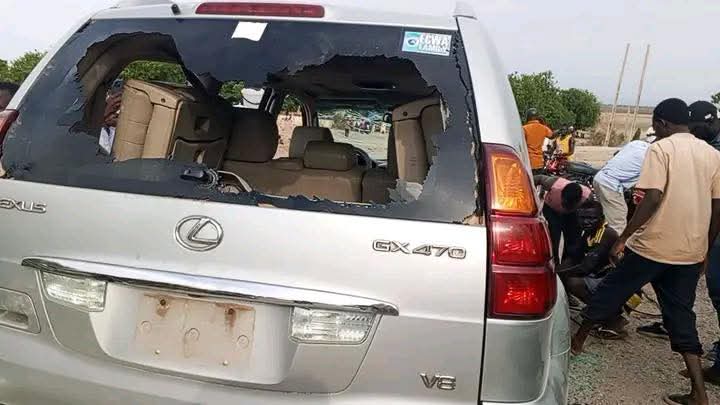
Scene of the violent clash in Taraba
The senatorial primary elections conducted across Taraba State on May 19, 2026, ended on contrasting notes in the three senatorial districts. While the exercises in Central and Southern Taraba were largely peaceful despite a few complaints, the process in Northern Taraba was overshadowed by tension, unrest, and isolated acts of violence.
One of the major incidents recorded during the exercise was the destruction of a vehicle reportedly belonging to supporters of the senator representing Taraba North, Shuaibu Isa Lau. The violence reflected mounting anger among sections of the electorate who believe the senator has failed to deliver meaningful development to the six local government areas in the zone despite spending more than a decade in the National Assembly.
Across the district, many residents have repeatedly expressed concerns over what they describe as poor engagement between the senator and his constituents. Critics accuse the lawmaker of becoming inaccessible after elections, alleging that calls and messages from constituents often go unanswered while visible projects and interventions remain scarce compared to what is seen in other senatorial districts of the state.
The frustration appeared widespread during the primary election, with reports indicating that some supporters and party agents linked to the senator faced hostility from aggrieved youths and party loyalists in parts of the zone. Observers also noted that the senator was reportedly absent from several tense locations during the exercise.
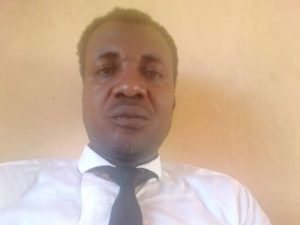
Among those affected by the unrest was Oliver Suleiman, a former two-term member of the Taraba State House of Assembly and serving commissioner in the state government. Suleiman was said to be in Karim Lamido Local Government Area to support Senator Lau when his Lexus Jeep was attacked and vandalised by angry protesters.
Ironically, many people within the political space and on social media described Oliver Suleiman as one of the more peaceful and approachable political figures in the state. Several observers believe he became an unfortunate victim of the anger directed at the senator he openly supported. Fortunately, he escaped the incident without injury.
Although violence and intimidation can never be justified in any democratic process, the events in Northern Taraba have once again brought the issue of political accountability into focus. The unrest has triggered conversations about representation, accessibility, and the growing disconnect between some elected officials and the people they serve.
Questions have also emerged over whether the primary election would have reflected the true mood of party members without the resistance mounted by dissatisfied stakeholders, especially amid longstanding allegations that previous primaries in the zone were influenced in favour of entrenched political interests.
For many political observers, the developments surrounding Senator Shuaibu Lau’s rejection should serve as a wake-up call to politicians across Taraba State and beyond. Public office is a trust bestowed by the people and not a personal entitlement. Leaders who fail to maintain contact with their constituents or neglect visible developmental impact risk facing political backlash sooner or later.
At the same time, the attack on Oliver Suleiman highlights the dangers of rising political anger and intolerance. No political disagreement should degenerate into violence or destruction of property, regardless of public dissatisfaction.
As Taraba’s political landscape continues to evolve ahead of future elections, the Northern Taraba primary crisis may ultimately stand as a strong reminder that performance, accessibility, and grassroots connection remain central to political survival.