In a strategic move to reclaim lost cargo traffic and bolster its position as a maritime powerhouse in Africa, the Nigerian Federal Government has approved certification and compliance processes for five proposed deep seaport projects.
This initiative aims to address the significant cargo traffic losses Nigeria currently suffers to neighboring countries.
This was disclosed in a statement by the Managing Director of the Nigerian Ports Authority (NPA), Nigeria loses over 70% of its import cargo to ports in Ghana, Togo, and the Benin Republic. The primary reason for this loss is the inability of many Nigerian ports to efficiently handle very large vessels, forcing shipping lines to offload goods abroad.
Dantsoho emphasized that the approvals mark a critical step in repositioning Nigeria as a major maritime and shipping hub on the continent.
The projects cleared for advancement to the next stage include:
Badagry Deep Sea Port (Lagos State)
Olokola Deep Sea Port (Ogun/Ondo axis)
Ibom Deep Sea Port (Akwa Ibom State)
Bakassi Deep Sea Port (Cross River State)
Bonny Deep Sea Port (Rivers State)
These approvals confirm that the projects have met essential legal, regulatory, and environmental standards, paving the way for full development.
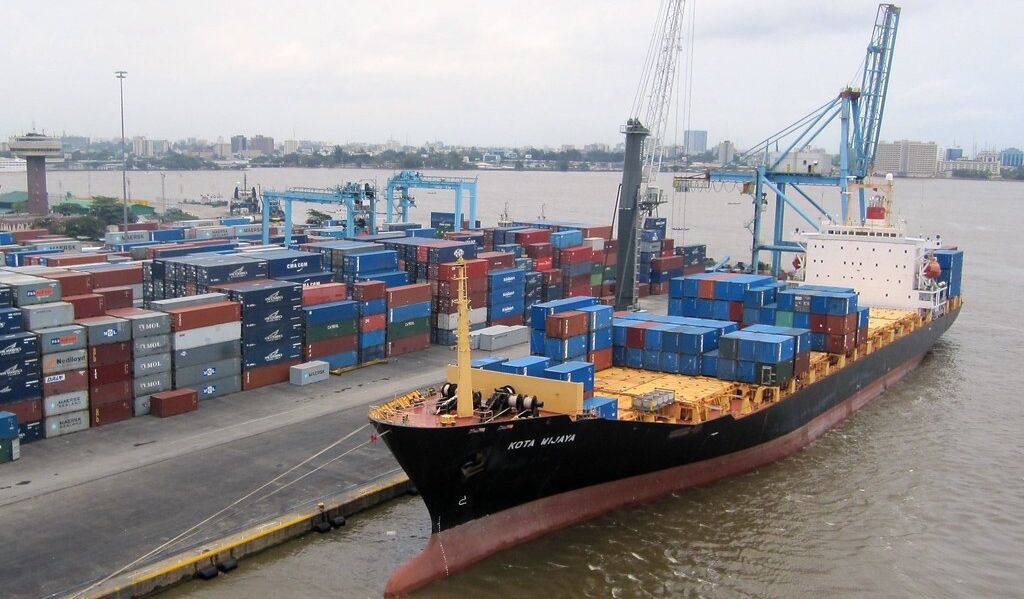
Deep seaports are characterized by their deeper channels, enabling them to berth larger vessels capable of carrying thousands of containers. This contrasts with Nigeria’s older ports, such as Apapa and Tin Can in Lagos, which suffer from congestion and infrastructure limitations that restrict their capacity.
Consequently, many shipping companies opt to discharge cargo in neighboring countries, with goods subsequently transported into Nigeria via smaller vessels or trucks.
The government anticipates that the new deep seaports will attract shipping lines directly, reduce cargo clearance delays, enhance trade activities, and generate thousands of jobs across the country.
Among the projects, the Badagry Deep Sea Port is projected to be the largest and is expected to rival some of Africa’s biggest ports upon completion. Authorities have previously highlighted its potential to generate billions of dollars in revenue over its operational lifespan.
The Ibom Deep Sea Port is strategically positioned as a gateway for trade in West and Central Africa, while the Bakassi and Bonny ports aim to strengthen maritime activities in Nigeria’s South-South region.
While the projects have cleared initial hurdles, they still require substantial investment before construction and operations can commence. Negotiations with private investors and international partners are currently underway.
If successfully completed, these deep seaport projects could significantly increase customs revenue, boost exports, and reduce Nigeria’s dependence on foreign ports for cargo handling. This development aligns with a broader trend across Africa, where countries are investing heavily in modern port infrastructure to dominate regional trade and shipping.