By SADIQ ABUBAKAR, Maiduguri –
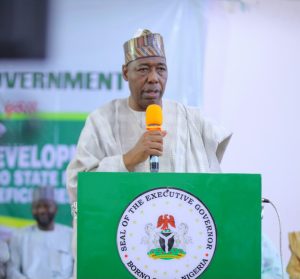
Allamin Foundation for Peace and Development, a beacon of hope for communities devastated by the Boko Haram insurgency in Borno State and beyond, has launched a publication titled “Allamin Foundation Community-Based Deradicalization and Reconciliation Model.”
The launch took place at the Borno State Hotel Conference Hall in Maiduguri.

The foundation’s Executive Director, Hajiya Hamsatu Allamin, presented the 26-page pamphlet to the general public, highlighting the organization’s vision, mission, and goals.
Hajiya Allamin said these objectives focus on strengthening the capacities and will for transitional justice for victims of the insurgency.
She acknowledged the crucial role and contributions of key players and partners, including the media, civil society organizations, security agencies, and the Borno State government, in supporting their efforts.
She emphasized the importance of continued mobilization, advocacy, and deradicalization of insurgency victims, particularly women, girls, and invisible children.
The Executive Director also solicited further support and cooperation from relevant organizations, agencies, individuals, and donors to promote peace, unity, progress, and development in the affected communities.
A research and strategy consultant from the University of Maiduguri, Dr. Lawan Balami, presented a comprehensive PowerPoint document outlining the deradicalization model’s research methodology, concepts, aims, and objectives. The presentation covered key aspects, including fieldwork observations, interviews, focus group discussions, and recommendations from the field.
The model focuses on strengthening the capacities and wills of deradicalized women, girls, widows, orphans, and other conflict victims.
Dr. Balami emphasized that the research aimed to enhance transitional justice for those affected, based on thorough findings, analysis, and consultations with victims, stakeholders, and partners.
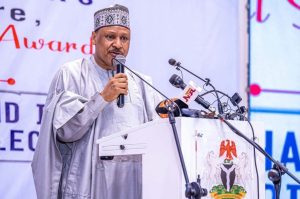
A mediator and the second consultant, Sheikh Ibrahim Ali Mustapha, highlighted the importance of forgiveness, knowledge, learning, and respect for authorities and laws in the deradicalization process. He emphasized the role of cultural, religious, and environmental factors in reconciliation, rehabilitation, and reintegration.
Sheikh Mustapha also clarified that Islam promotes peace, unity, love, and peaceful coexistence, condemning violence and conflict resulting from misconceptions and clashes of interest.
Beneficiaries shared their testimonies and impact assessments, expressing regret for their past actions and seeking forgiveness and acceptance from the public. They appealed for support in reintegrating into society and reuniting with their loved ones, aiming for peaceful livelihoods.