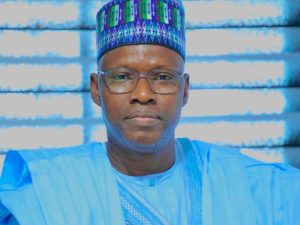
DSS DG, Mr. Adeola Oluwatosin Ajayi
The recent actions of the Director-General of the Department of State Services (DSS) Nigeria, Mr. Oluwatosin Ajayi, in compensating individuals wrongfully arrested and detained by the agency, serve as a powerful reminder of the importance of attitude in leadership. This gesture not only showcases the DG’s commitment to upholding human rights but also highlights the impact of attitude on organisational culture and public perception.
The DG DSS’s decision to compensate the wrongfully arrested individuals and offer apologies to others demonstrates a significant shift towards accountability and transparency. This attitude is reflected in the DG’s directive to investigate and discipline officers involved in the wrongful arrests, ensuring that those responsible are held accountable for their actions. This is quite unusual and doesn’t smack of an offering from a Nigerian leader, especially from security and intelligence sector that the civil society organisations and the media have always derided for overzealousness and willful violations of human rights. In the news media, we say this is newsworthy because it sounds bizarre, unusual and odd.
Here is the thing, by taking responsibility for the agency’s mistakes and providing compensation, the DSS, easily one of the most powerful intelligence agencies in this regard, is working to restore public trust and confidence in the agency. This approach is essential in building a positive relationship between law enforcement agencies and the communities they serve.
The DG’s actions demonstrate a commitment to leading by example. By acknowledging and rectifying mistakes, he sets a positive tone for the agency and encourages others to follow suit. This leadership style promotes a culture of accountability and transparency within the organisation. As I was saying, this should have a bandwagon effect on other national security, intelligence, military and even para-military agencies’ leaders who do not feel that they have a responsibility to dignify people they serve on their beats. Most of the leaders who often trample on the rights of the civil society activists and media operatives should borrow a leaf from the new deal at the Directorate of State Security.
Doubtless, the DG’s attitude towards accountability and transparency will continue to promote a culture of responsibility, where officers are held accountable for their actions, and that will encourage a more nuanced approach to security operations. Besides, this attitude will shift the culture of the secret service as long as Nigeria’s duty bearers and authorities continue too with robust succession plans in the security and intelligence communities. A situation whereby immediate past President recalled retired officers who could not pass promotion examinations to directorate cadres to be directors-general of such sensitive organisations could not have produced anything else other than a culture of mediocrity.
Apology isn’t a sign of weakness, after all
According to the United Nations, in our personal relationships, apologies seem to be easier than in working relationships. We may fear that apologising to even a colleague in a competitive environment might be perceived as a sign of weakness, undermine our authority or even negatively affect office dynamics. However, an honest and sincere apology has the potential to restore dignity and diminish fear of retaliation or even desire for vengeance on the receiving end. On the giving end, it can be a powerful tool to reconcile a working relationship and to initiate the restoration of trust. In this way, an apology can show strength of character, demonstrate emotional competence and reaffirm that both parties share values in their relationship they want to commit to.
I would like to stress here that we should begin to look at some classics that didn’t fail some of our legends before civilisation kicked us in the face. So, as we continue to grope from darkness to darkness, we need to share some values that can shape our character as a nation. I wrote here the other day on the ‘power of character’, which some icons actually say ‘is destiny’. Yes, ‘character is destiny’. That is, attitude, yes attitude is everything!
I have tested some of the classics and I have found them profoundly powerful enough to shape and even fulfill our destiny as the most populous black nation on earth. We should begin to share with our leaders and managers of our enterprises that there are some simple but significant ‘magic words’ they need to embrace to calm frayed nerves in and out of seasons, in good and bad times. It is a time to tell our leaders that at such a time as this, they need to swallow their pride and vanity and imbibe a habit of apologising to the people they lead. And here is why:
Our leaders hardly understand the most important sentence in the constitution: ‘The security and welfare of the people shall be the primary purpose of government…’ Most of our leaders care only about their security votes as ‘slush funds’ to take care of their future including (re-)election. They hurt the people every day. Through their callous acts, they hurt most families, old and young. They hardly pay salaries and pensions in most states and local governments. Our leaders whose recklessness has triggered import-dependent economy hardly reflect on the consequences of high prices of food items and (consumer) essential goods at this time.
As I was saying, our leaders are also using dubious means to extort even poor motorbike riders by collecting multiple taxes from them every day even in Lagos and Abuja. They don’t care about what happens to the poor and vulnerable, Frantz Fanon calls “the wretched of the earth”.
In the main, the compensation and apologies offered by the DG DSS Nigeria demonstrate the power of attitude in leadership. Our leaders at all levels should note and reflect on this today: there is no power when leaders and managers display arrogance and recklessness. And so by prioritising accountability, transparency, and human rights, the DG, DSS, Mr. Ajayi has set a positive tone for the agency and promoted a culture of responsibility. As the DSS DG who has boldly restored the DSS as a Secret Service indeed, continues to work towards building trust with the communities the DSS serves, his approach should serve as a valuable lesson for leaders who do not know that attitude is everything, after all!