By TOM CHIAHEMEN, Abuja –
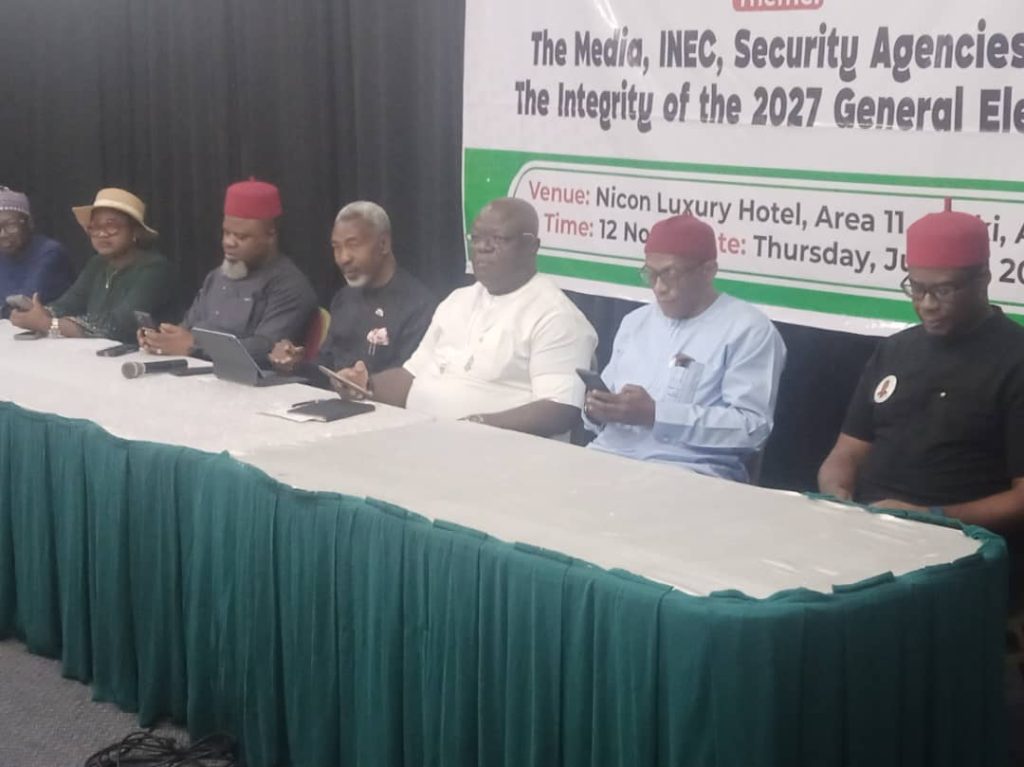
Speakers at the 2nd Annual Lecture of the National Association of Political Correspondents (NAPOC) on Thursday unanimously stressed that the credibility and success of Nigeria’s 2027 general elections would depend largely on effective collaboration among the media, the Independent National Electoral Commission (INEC) and security agencies.
Delivering the keynote address at the event in Abuja, the Vice Chancellor of Baze University, Professor Abiodun Adeniyi, called for stronger synergy among the three institutions, warning that Nigeria’s democracy could be endangered if any of them failed in its responsibility.
Speaking on the theme, “The Media, INEC, Security Agencies and the Integrity of the 2027 General Elections,” Adeniyi argued that credible elections are not guaranteed by laws alone but by the conduct and effectiveness of institutions entrusted with safeguarding the democratic process.
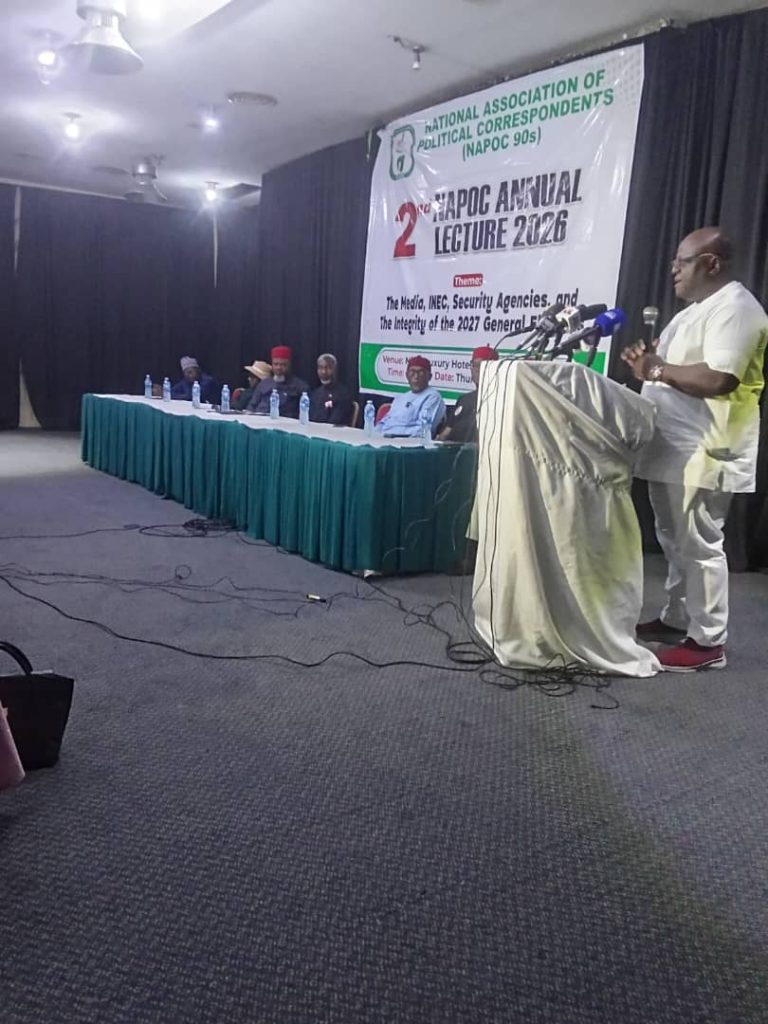
He described the 2027 elections as one of the most consequential in Nigeria’s democratic history, coming at a time when citizens are demanding greater transparency, accountability and good governance.
According to him, electoral integrity begins long before ballots are cast and extends beyond the announcement of results. He said the quality of information available to voters, the competence and neutrality of electoral managers, and the professionalism of security agencies all play critical roles in determining the credibility of elections.
Adeniyi described the media as the first line of democratic accountability, noting that journalists have a duty not only to report events but also to help citizens separate facts from propaganda and misinformation.
He warned that the rise of social media, artificial intelligence and digital manipulation had created unprecedented challenges for election communication.
“The battle for election integrity is increasingly becoming a battle against disinformation. False narratives travel faster than facts, distort public perception, inflame tensions and undermine confidence in democratic institutions,” he said.
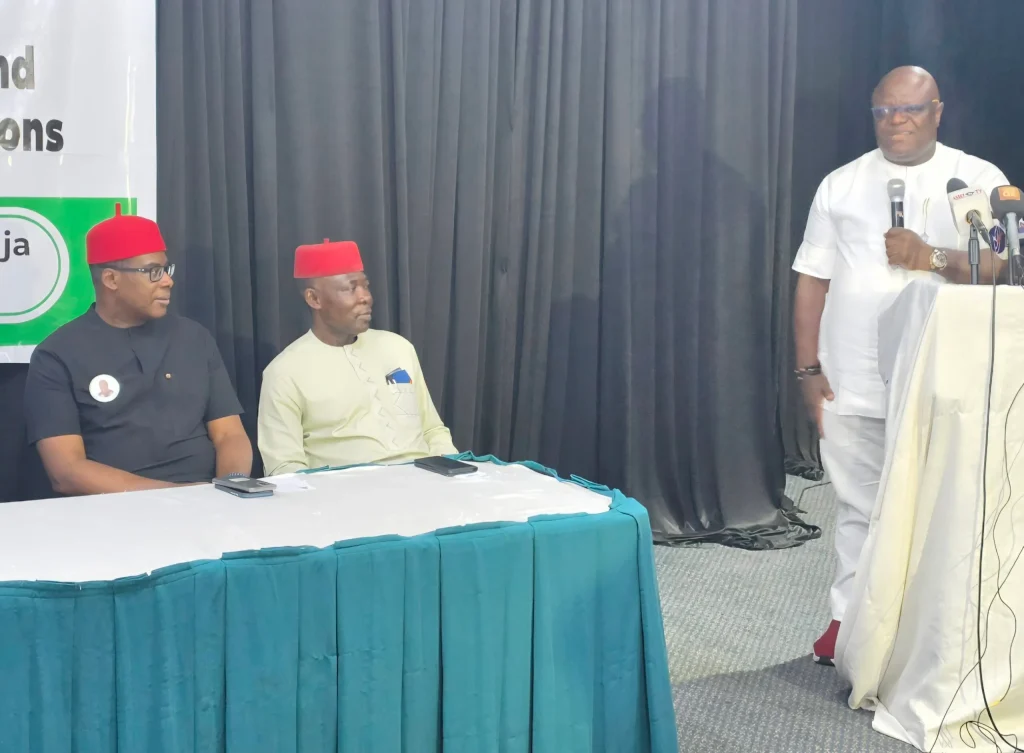
The communication scholar urged journalists to uphold verification, fairness and professionalism, insisting that political reporting should not become an extension of partisan campaigns. He also called on media organisations to strengthen fact-checking mechanisms and invest in training for election coverage ahead of the 2027 polls.
On INEC, Adeniyi acknowledged the commission’s efforts to improve electoral administration through technology but maintained that public trust remains its greatest asset.
“Technology can support credibility, but credibility itself is built on trust. Citizens must be convinced that electoral processes are transparent, predictable and insulated from undue interference,” he said.
He urged the electoral body to intensify voter education, improve stakeholder engagement and strengthen transparency throughout the electoral cycle.
Addressing the role of security agencies, the Baze University Vice Chancellor said their responsibility during elections should be to protect voters, electoral officials, journalists and electoral materials, rather than serve political interests.
He warned that the deployment of security personnel should inspire confidence and not fear, stressing that security institutions must remain professional, impartial and accountable.
According to him, election security goes beyond maintaining law and order on polling day and includes preventing violence, intimidation, vote-buying and attacks on electoral infrastructure.
Adeniyi maintained that the relationship among the media, INEC and security agencies should be collaborative rather than adversarial.
“The media informs the people. INEC manages the process. Security agencies protect the environment in which democracy can flourish. When any of these pillars weakens, the entire democratic structure is threatened,” he said.
Expressing concern over declining public confidence in institutions, the scholar described trust as the invisible foundation upon which democracy rests. He urged stakeholders to focus on building a culture of electoral integrity rather than limiting discussions to election-day logistics.
He also called on Nigerians to view the 2027 elections as a collective national responsibility, stressing that their success would depend not only on politicians and government agencies but also on journalists, civil society organisations, security institutions and citizens.
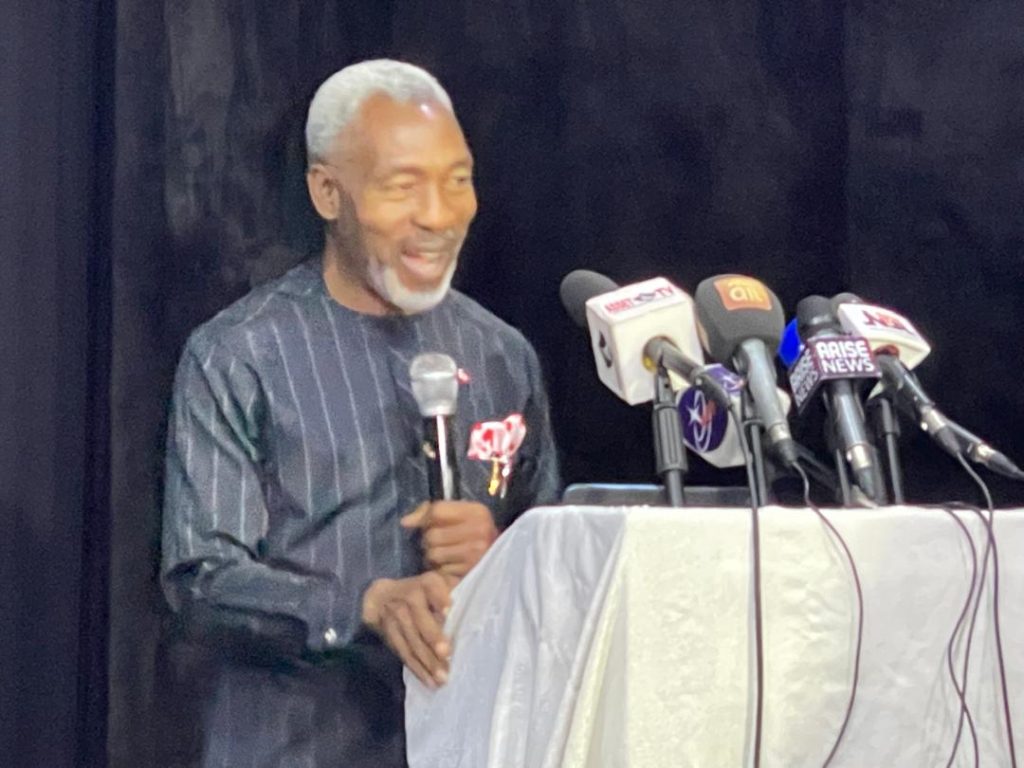
- National President of NIPR and Chairman of the Occasion, Dr. Ike Neliaku
“If we want elections that command legitimacy, inspire confidence and strengthen democracy, then every stakeholder must play their role faithfully. The future of Nigeria’s democracy depends on the integrity we build today for the elections of tomorrow,” he added.
In his remarks as a discussant, former INEC Director of Voter Education and Publicity, Mr. Nick Dazang, said the theme of the lecture ought to have included the judiciary, noting that both the Constitution and the Electoral Act envisaged that some election outcomes would ultimately be decided by the courts.
Dazang lamented the growing voter apathy and declining confidence in the electoral process despite efforts made since 1999 to consolidate democracy.
Describing the media as the most critical stakeholder in the electoral process, he advocated closer collaboration between journalists and INEC to ensure effective communication of the commission’s activities and programmes.
Another panelist, Dr. Mac Imoni Amarere, urged the leadership of NAPOC to begin implementing a succession plan and mobilise political reporters and correspondents across media organisations into the association.
While agreeing with Dazang that the media remains the most critical stakeholder in the electoral process, Amarere argued that the integrity of the 2027 elections would largely be shaped by the quality and tone of media coverage.
The lecture attracted political leaders, media practitioners, academics, public affairs analysts, civil society actors and representatives of security agencies.
Among those who attended were the President of the Nigerian Institute of Public Relations (NIPR), Dr. Ike Neliaku, who chaired the event; Mr. Nnaemeka Nwosu, son of the late Professor Humphrey Nwosu, who conducted the annulled June 12, 1993 presidential election; pro-democracy activist, Hon. Abdul Oroh; immediate past President of the Nigeria Union of Journalists (NUJ), Mr. Chris Isiguzo; former Sunday Editor of THISDAY, Mr. Bolaji Adebiyi; and Chairman of the FCT Council of the NUJ, Comrade Grace Ike, among others.
The NAPOC Annual Lecture planning committee is chaired by Dr. Emeka Nwosu, with Abdul Jelil Adebayo as Secretary. Other members of the committee include Sunday Ayami, John Idowu Bakare, Tom Chiahemen, Madam Cordelia Ukwuoma and Uju Ejeye.