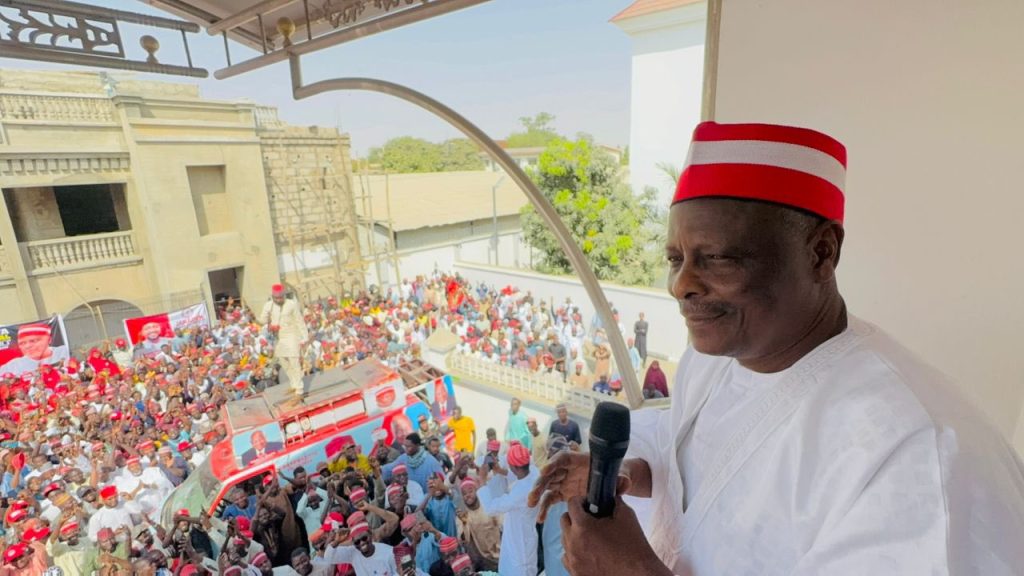
Solidarity visit from residents of Nasarawa Local Government Area at Kwankwaso's residence in Kano. Photo credit: @KwankwasoRM/X
Former Kano State Governor and national leader of the Kwankwasiyya movement, Rabiu Musa Kwankwaso (RMK), has received a solidarity visit from residents of Nasarawa Local Government Area at his residence in Kano, reaffirming the movement’s resilience and growing grassroots support.
The visit comes barely days after Kano State Governor, Abba Kabir Yusuf, resigned from the New Nigeria People’s Party (NNPP), a development that has triggered intense political tension in the state, with strong indications of a possible defection to the All Progressives Congress (APC).
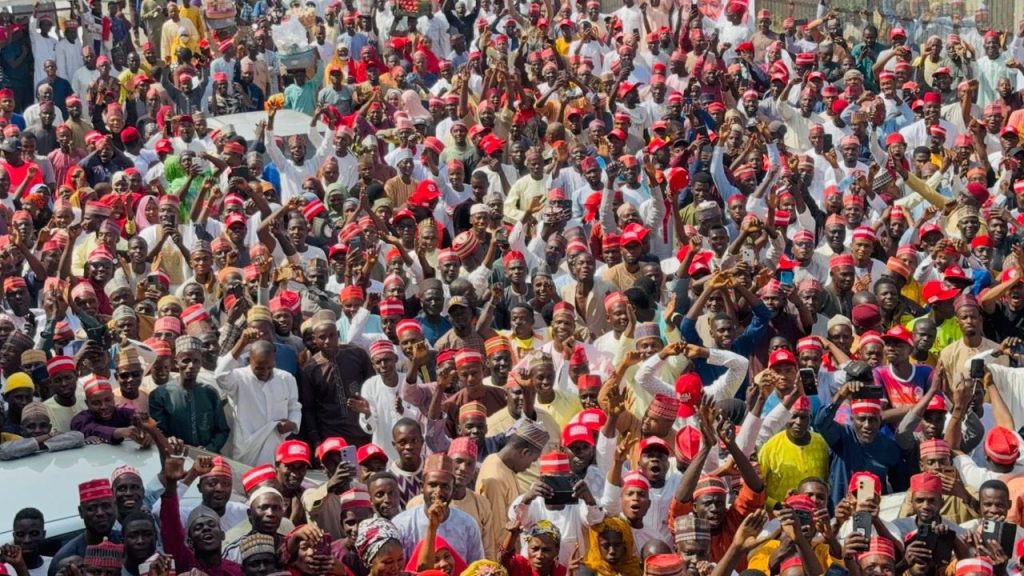
In a statement shared on his verified X (formerly Twitter) handle on Sunday, Kwankwaso expressed deep appreciation for the show of loyalty and courage by the people of Nasarawa LGA, describing their support as principled and selfless.
> “This afternoon, I was honoured to receive a solidarity visit at my residence in Kano from the resilient people of Nasarawa Local Government.
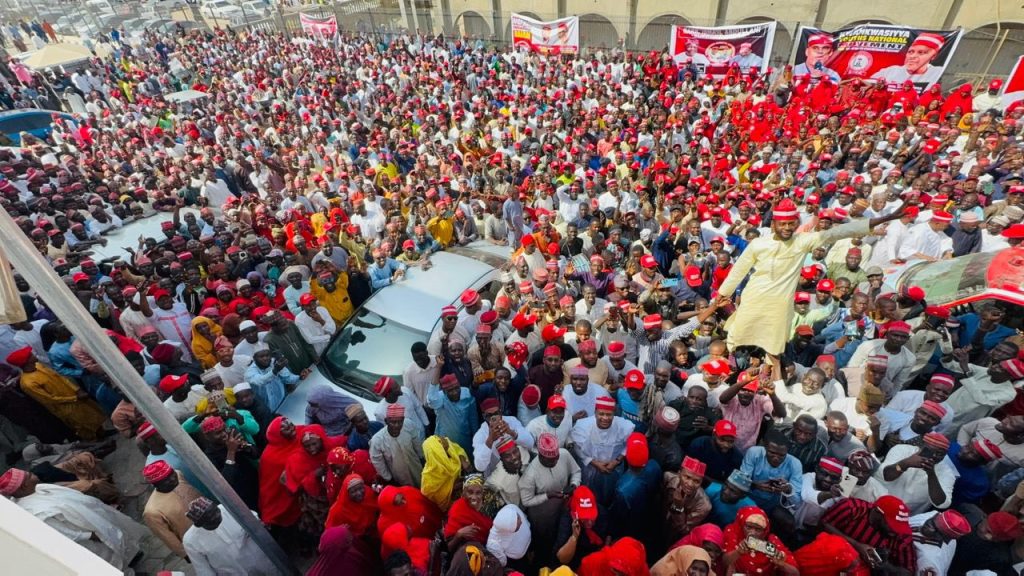
In our discussions, I reaffirmed my profound appreciation for their unwavering courage and determination. Despite the recent trials that have tested the faith and fortitude of many, they have chosen to stand firmly with us—not for personal gain, but for the collective progress and wellbeing of our people.
Together, we remain resolute in upholding and advancing the timeless ideals of Kwankwasiyya.
Thank you once again for your loyalty and solidarity. The journey continues, and victory is assured by the grace of God and the will of the people.”
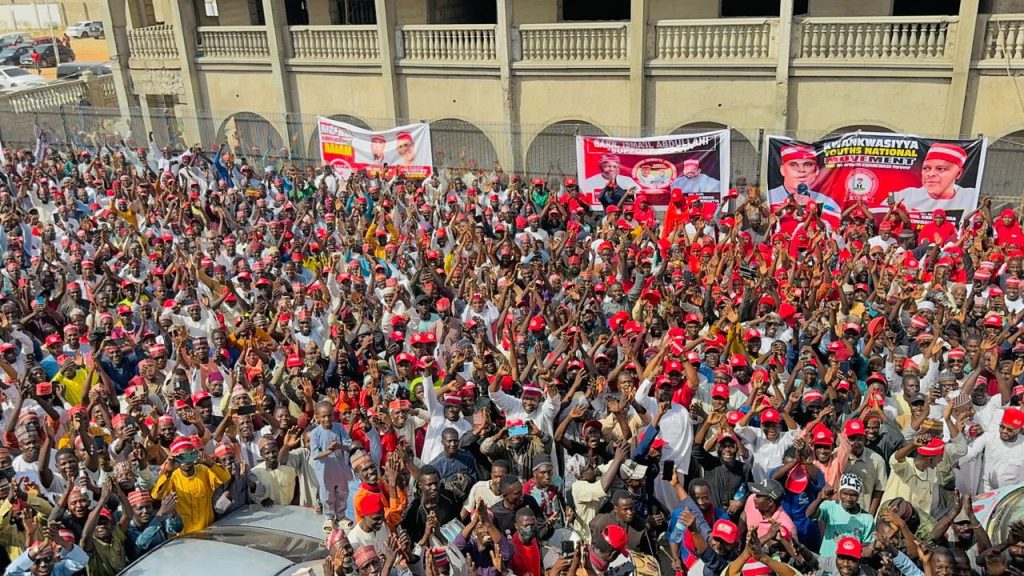
Political observers view the solidarity visit as a symbolic show of strength for the Kwankwasiyya movement, especially at a time when Kano’s political landscape is shifting rapidly following Governor Yusuf’s resignation from the NNPP and the growing speculation around his possible move to the APC.
The development underscores the deepening political realignments in Kano State, as grassroots supporters and political structures begin to reposition ahead of anticipated party movements and emerging alliances.