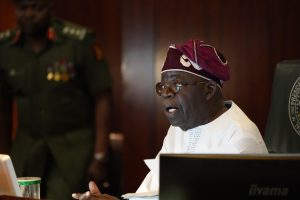
Presidential spokesman, Daniel Bwala
Presidential Adviser on Policy Communication, Daniel Bwala, has argued that some Nigerians working in the United Kingdom and earning between £2,600 and £2,800 monthly could, in certain respects, be worse off than Nigerians earning ₦60,000 in Nigeria because of the high cost of living abroad.
Bwala made the remarks during an appearance on The Morayo Afolabi Brown Show, which aired on Wednesday, while responding to concerns about the increasing number of Nigerians emigrating in search of better opportunities.
He said many Nigerians who relocate to the UK, including graduates with first-class and second-class degrees, often take up care home and other low-skilled jobs despite acquiring additional qualifications.
According to him, a significant portion of their monthly income is spent on rent, electricity, internet, television subscriptions and other living expenses.
“When they go there and do a job, on average they earn about £2,600 or £2,800 a month. Rent alone is about £800, and when you add power, internet, TV, feeding and other expenses, there is very little left,” he said.
Bwala said the financial pressure forces many migrants to work multiple jobs to make ends meet, adding that some have faced severe hardship.
He compared their situation with that of a Nigerian earning ₦60,000 monthly, arguing that while the income is modest, such individuals often benefit from family and community support networks that are largely unavailable to migrants abroad.
He also said the cost of some basic services in Nigeria remained lower than in the UK, although he acknowledged that better infrastructure, healthcare and social services make life more comfortable in Britain.
Responding to a question from an audience member, Moyo Alabi, who asked what the Federal Government was doing to curb emigration driven by poverty, insecurity and unemployment, Bwala said the Tinubu administration had introduced policies aimed at improving citizens’ welfare.
He cited the Federal Government’s 50 per cent subsidy on dialysis treatment in federal hospitals and the provision of free Caesarean section services as examples of interventions designed to reduce healthcare costs for Nigerians.
According to him, expanding such subsidies to private hospitals and covering more prescription drugs would depend on the government’s available resources.