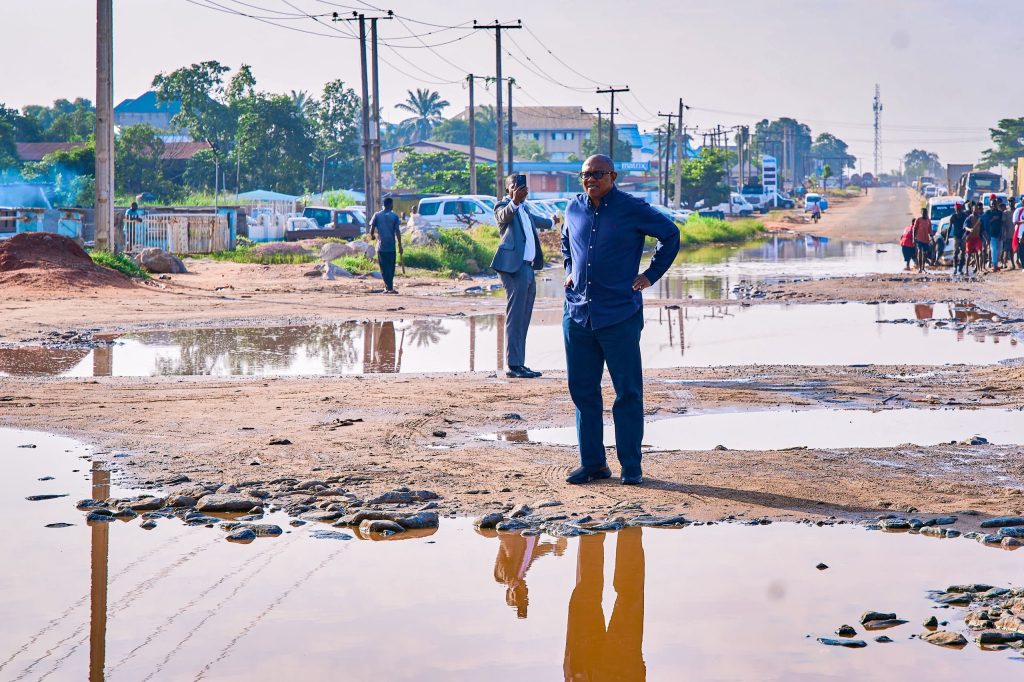
Peter Obi assesses the deplorable state of a major road, reiterating his call for the rehabilitation and maintenance of Nigeria's existing road infrastructure before embarking on new road projects. @PeterObi/X
Nigeria Democratic Congress (NDC) presidential candidate, Peter Obi, has renewed his call on the Federal Government to prioritise the rehabilitation and maintenance of existing roads instead of embarking on new road construction projects.
In a post shared on his X handle on Monday, Obi argued that repairing Nigeria’s deteriorating road infrastructure should take precedence over initiating fresh projects and road dualisation schemes that deliver limited benefits.
According to him, the country’s scarce resources should be channelled toward restoring major highways that serve millions of Nigerians daily rather than launching projects that attract publicity without addressing pressing transportation challenges.
Using the Asaba–Benin Road as an example, Obi described the highway as one of Nigeria’s most strategic transport corridors, linking travellers from Akwa Ibom, Anambra, Rivers, Imo, Ebonyi, Cross River, Abia, Enugu, as well as parts of Benue and Kogi states to Lagos.
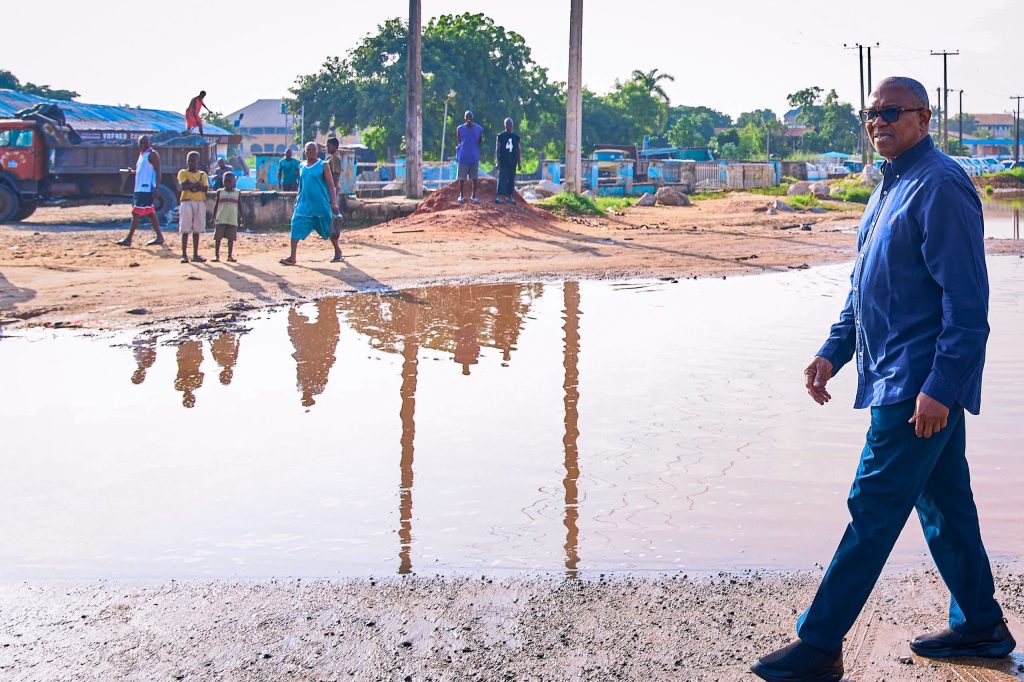
He lamented that large sections of the road have deteriorated, resulting in persistent gridlock, increased travel time, and hardship for commuters, businesses, and transport operators.
Obi noted that the situation on the Asaba–Benin Road reflects the poor condition of several other major federal highways across the country.
He wrote: “There is a pertinent reason I have consistently advocated that we should refrain from initiating new road construction projects until we have thoroughly rehabilitated and maintained our existing road network. Instead of undertaking new ventures and dualization projects that offer marginal benefits, our primary focus ought to be on repairing the critical roads already in place.”
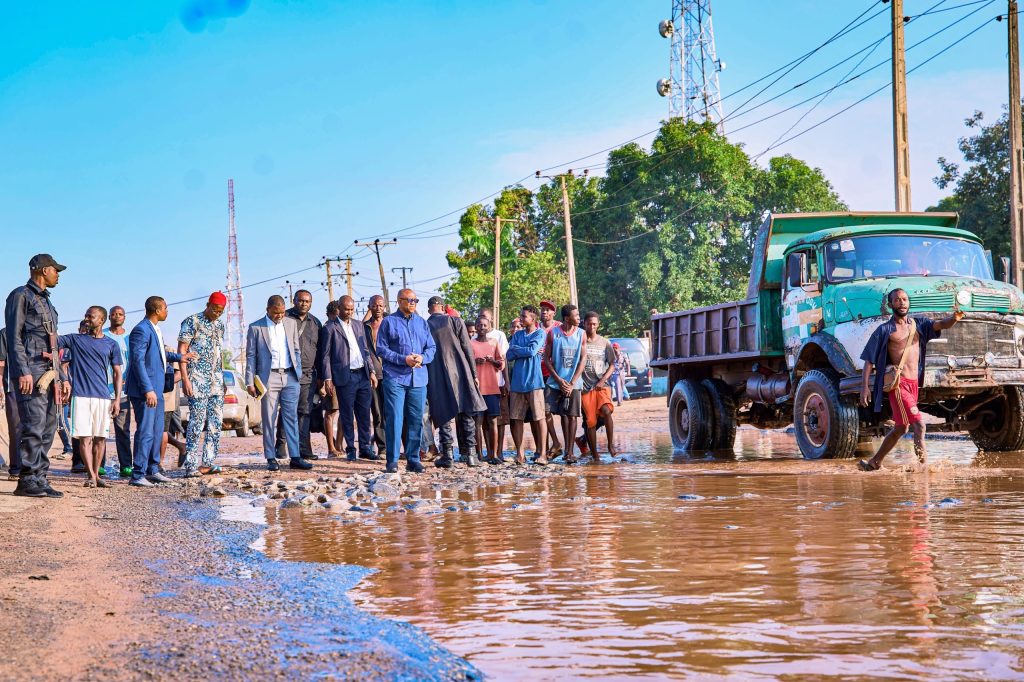
He added: “Consider, for instance, the Asaba–Benin Road. This thoroughfare is a vital artery within Nigeria’s transportation infrastructure. Travellers traversing from Akwa Ibom, Anambra, Rivers, Imo, Ebonyi, Cross River, Abia, Enugu, and portions of Benue and Kogi States to Lagos are compelled to utilise this route.”
Continuing, Obi said: “Despite its significance, substantial sections of this road are in a lamentable condition. It has become a major impediment, precipitating persistent traffic congestion and inflicting undue hardship on travellers, businesses, and transport operators.”
He further stated: “Regrettably, this situation is not unique; it reflects the reality on many of our busiest national highways.”
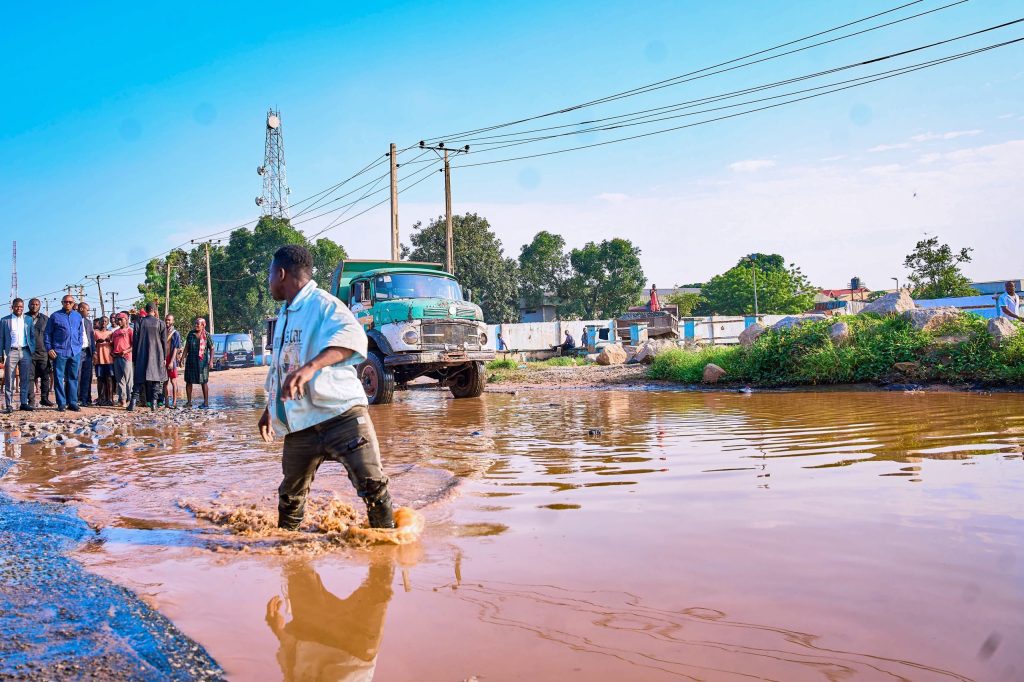
The former Anambra State governor stressed that government attention should be directed at rebuilding and maintaining existing road infrastructure before announcing new road projects.
“Our efforts should be directed towards the reconstruction and maintenance of our current road infrastructure before we announce plans for new road projects. The Nigerian populace requires functional and motorable roads, not merely projects that garner public attention.”
Obi concluded by cautioning against placing political considerations above the urgent need to fix the nation’s critical road network.
“Efforts aimed at superficial improvements for political gain should not supersede the urgent need to address the condition of our existing, critical roadways.”
He signed off with his familiar message: “A New Nigeria is Possible.”