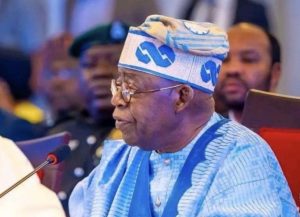
Speaker, Rivers State House of Assembly, Martin Amaewhule
In a swift move signaling the resumption of normal governance in Rivers State, the State House of Assembly has called on Governor Siminalayi Fubara to submit his list of commissioner nominees for screening and approval.
This directive comes amid the lifting of a six-month state of emergency imposed by President Bola Tinubu, which had paralyzed the state’s political machinery due to a bitter power struggle between Fubara and his predecessor, now Federal Capital Territory Minister Nyesom Wike.
The assembly, under the leadership of Speaker Martin Amaewhule, reconvened on Thursday, September 18, 2025—less than 24 hours after Tinubu’s announcement ending the emergency rule.

The session’s agenda was lean, featuring just a single item: a motion to outline the legislative priorities for the remainder of the year for the 10th Assembly.
Despite the call for nominees, no immediate response from the governor’s office was reported.
As of 4:50 p.m. that day, Fubara and his deputy, Prof. Ngozi Odu, had not yet arrived at the Government House in Port Harcourt to formally reclaim their roles.
Earlier in the day, however, an enthusiastic throng of supporters had assembled at the venue, brimming with anticipation for the duo’s return after their enforced six-month absence. State emergency services personnel were also present to ensure smooth proceedings.
The political turmoil that prompted the emergency declaration stemmed from escalating tensions that halted legislative and executive functions, leading Tinubu to suspend Fubara, Odu, and the assembly members while appointing retired Vice Admiral Ibok-Ete Ibas as Sole Administrator.
Ibas, who oversaw the interim period, handed over power late Wednesday in a statewide address, where he implored all political stakeholders to prioritize “mutual respect and dialogue” to foster lasting stability.
This development marks a pivotal chapter in Rivers’ turbulent political saga, with the assembly’s proactive stance underscoring efforts to restore full democratic operations and refocus on development priorities for the oil-rich state’s residents.
Channels TV