By CHRISTIANA LOT, Jos –
Scripture Union West Africa (SUWA) has urged journalists to adopt peace journalism in reporting conflict and gender-based violence (GBV), as part of efforts to promote social cohesion in Plateau State.
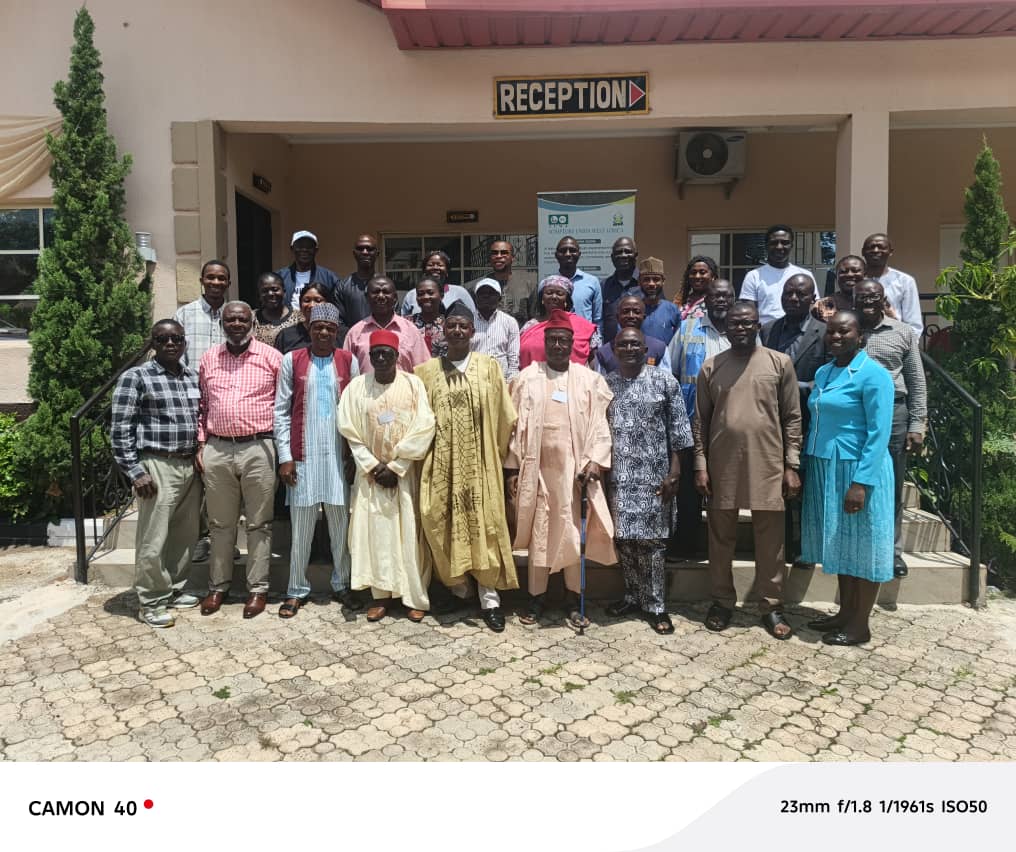
This call was made during a one-day media engagement organized by SUWA in collaboration with Interested Friends of the Ministry in Jos on Tuesday. The event brought together journalists, traditional rulers, and religious leaders to reflect on the role of the media in conflict and GBV reporting, especially in fragile and polarized communities.
Presenting a paper titled “ Understanding the Media Landscape on Conflict and GBV,” media trainer and development expert, Mr. Wika Gofwen, emphasized the need for journalists to move away from sensationalism and adopt balance, accuracy, and constructive storytelling.
“Peace journalism is about giving a voice to all sides, correcting dangerous rumors, educating the public, and offering trustworthy information—especially in a divided society,” he said. “When it comes to GBV, the safety and dignity of survivors must always come first. Avoid details that could expose them to more harm, and always consult local experts and refer survivors to support services.”
Mr. Gofwen, a media trainer with experience in conflict-sensitive reporting, further urged journalists to pay attention to how language, imagery, and framing can either escalate or de-escalate tensions in conflict-affected areas. He called on newsrooms to adopt editorial guidelines that prioritize ethical coverage and challenge stereotypes that perpetuate violence or discrimination.
“The media must not only inform but transform society,” he added. “What you leave out is just as important as what you include. In times of crisis, responsible storytelling can save lives.”
Speaking earlier, SUWA’s Programme Manager, Mr. John Fakunle, expressed concern over the increasing reports of sexual and gender-based violence in internally displaced persons (IDP) camps across conflict-affected areas.
“From our field engagements, we are receiving disturbing feedback from camps where women and girls are becoming even more vulnerable,” he said. “It’s no longer enough to only pray; we must act. That’s why we are engaging the media because your words shape public understanding and action.”
Mr. Fakunle also highlighted SUWA’s broader interventions across five states—Plateau, Benue, Taraba, Cross River, and Kaduna—under thematic areas such as peacebuilding, disaster preparedness, economic empowerment, and humanitarian relief.
He noted that the organization’s Joint Initiative for Strategic Religious Action (JISRA) project is actively promoting freedom of religion and belief, with particular attention to reducing faith-related tensions.
Participants at the meeting described the interface as a wake-up call, stressing that the media must lead by example in shaping narratives that support peace, justice, and survivor protection.
“Culture of silence and stigmatisation remain major barriers for GBV survivors,” noted Mrs. Seyken Posat, one of the participants. “Journalists must not reinforce these barriers through careless reporting.”
The session ended with a renewed commitment by journalists and stakeholders to promote an inclusive, conflict-sensitive media space where survivor-centered storytelling and ethical reporting become the standard, not the exception.