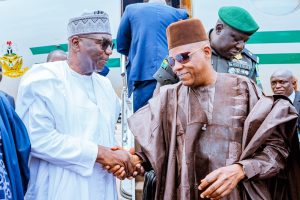
Sokoto State Commissioner for Environment, Nura Tangaza
By ANKELI EMMANUEL, Sokoto –
Sokoto State Commissioner for Environment, Nura Tangaza, said the state government has purchased no fewer than 200,000 economic and ornamental trees to be planted across the state.
Mr. Tangaza disclosed this on Tuesday during an event to commemorate the 2025 World Environment Day with the theme: “Say No To Plastic Waste and Yes To Tree Planting”.
The commissioner, who assured that tree planting has numerous benefits to both human and the ecosystem, appealed to all and sundry to embrace tree planting and avoid acts capable of increasing the negative effects of climate change which the country is currently experiencing.
Speaking on the significance of the World Enviroment Day, the Chief of Sokoto UNICEF Field Office, Dr Micheal Juma represented by the WASH Officer, Mr Mr Ebri Eteng said the event serves as a reminder to all stakeholders globally including government and non governmental actors on the need to care for the enviroment.
“The Earth in particular, needs our attention and need not to be forgotten in our thoughts. So we need to create a culture where people think about environmental sustainability and how to reduce the impact of human activities on the changing climate”.
Speaking on the theme of this year’s celebration, Dr Juma said, ‘basically, the global community is looking at how to say no to plastic pollution by reducing it, and also see how we can collectively contribute to the greening of the environment through increased reclamation via tree planting as a means of reducing the impact of climate change on humans”.
To the younger generation globally, Dr Juma appealed to them to become ambassadorss of climate.
“They should cultivate the culture of tree planting and also rolling back the humongous waste generated from plastics that tend to become an environmental concern and a concern to climate actors”.
When asked by journalists on climate change correlation with insecurity, the UNICEF scribe answered in the affirmative saying, part of the reasons for the consistent farmers/herders clashes within Nigeria was as a result of climate change.
“I think there is a serious correlation between climate change and insecurity. If we look at the northwestern part of Nigeria and the nature of the crisis there, you will discover that its mostly herders struggling to take care of their cattle, and in doing that, they migrate from where climate has eaten up the existing vegetation to locations where they are able to find pastures, and that often has created conflict between herders and farmers.
“So, if we are able to regrow our vegetation, government increases access to water, it will therefore goes to means that, we will be having environments that are conducive for breeding of cattle, without the herders necessarily moving their cattle to farmland that creates unrest”.
The 2025 World Enviroment Day featured students from various secondary schools across the state coming together to plant trees at the Hafsatu Ahmad Bello Secondary School within the metropolis.