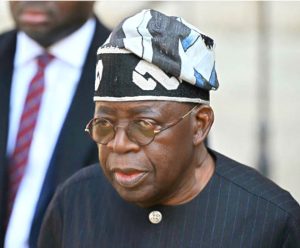
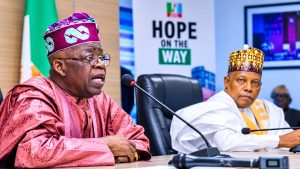
In a nation burdened by deep poverty, decaying infrastructure, and an urgent need for visionary leadership, the optics of Nigeria’s president jetting off to Europe for a two-week vacation are jarring. Yet, this is not new. Nigeria’s political elite has long displayed a tendency to spend leisure time and seek medical care abroad, often at public expense. President Bola Tinubu’s repeated foreign trips are merely the latest chapter in a narrative that reveals much about the failure of Nigeria’s leadership class to invest in and believe in the country they govern. The consequences of this practice are far-reaching, stretching beyond optics to strike at the economy, Nigeria’s global reputation, and the morale of its people.
The economic fallout: Tourism and foreign exchange drain
Every foreign vacation by Nigeria’s leaders represents a direct economic loss. The millions of naira in foreign exchange spent to pay for flights, hotels, medical bills, and logistics abroad could fund crucial services at home – services Nigeria desperately needs. Consider this: Nigeria is home to breathtaking landscapes, from the rolling hills of Obudu to the desert dunes of Yobe, yet tourism remains a largely untapped sector. A president choosing to vacation at home could catalyze investment in domestic tourism infrastructure, generate jobs, and project Nigeria as a worthy destination for leisure and business.
In contrast, every foreign holiday sends a message to international investors that Nigeria is unworthy of its own leaders’ confidence. Why should a global investor bet on Nigeria’s hospitality or healthcare sectors if the president himself won’t? Leadership behavior sets the tone for economic priorities. When public officials flock abroad, they export not only money but also credibility. That credibility deficit stifles foreign direct investment, discourages local entrepreneurship, and cements a cycle where wealth created in Nigeria is spent elsewhere.
The reputational damage: Selling the country short
Leadership is not just about policies; it is about symbolism. The optics of a president spending more time in foreign capitals than in his own regions of crisis are devastating. In two years, President Tinubu has reportedly undertaken more than 40 foreign trips, including 15 in 2025 alone. This is not merely a record of activity but a public relations disaster. It signals to the world that Nigeria’s own leaders find their country inadequate, which could mean unsafe or simply unworthy of their leisure time.
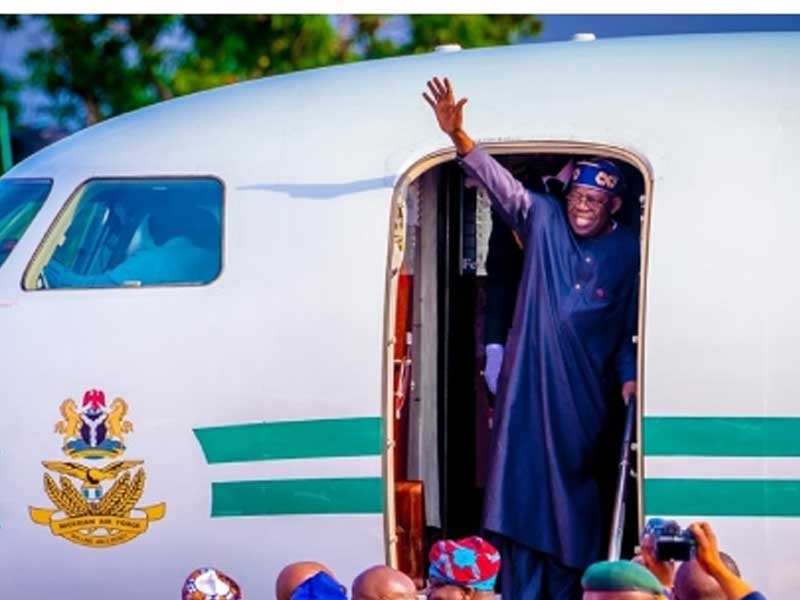
Compare this to leaders elsewhere. American presidents often vacation at Camp David or in U.S. resorts; French presidents retreat to the French Riviera; Japanese leaders holiday within their archipelago. By contrast, Nigeria’s leaders abandon their own soil for comfort, cementing a narrative that Nigeria is a place to escape, not embrace.

This perception undermines tourism marketing campaigns, devalues diplomatic efforts, and weakens Nigeria’s soft power on the global stage. Interestingly, no foreign head of government has ever chosen Nigeria as a holiday destination.

The morale crisis: When leaders abandon their own
Perhaps the most corrosive consequence of this behavior is its impact on citizens’ morale. Patriotism is not cultivated through speeches but through example. When a leader calls for sacrifice, asking citizens to tighten their belts, yet spends public funds on luxury vacations abroad, the hypocrisy is glaring. It deepens cynicism, erodes trust in governance, and fosters a sense of abandonment among the populace.
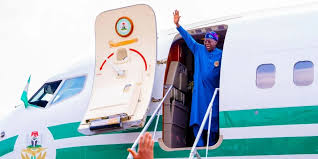
Consider the symbolic disconnect: A president who campaigns on national pride and asks Nigerians in the diaspora to “come home and invest” while choosing foreign destinations for his own respite effectively admits that his homeland is not good enough

. This is more than tone-deafness; it is a betrayal of leadership’s moral obligation to inspire confidence in the country. When leaders refuse to demonstrate faith in Nigeria, how can they expect ordinary Nigerians to do so?

Moreover, the costs are not abstract. Nigeria is a country where over 20 million children are out of school, hospitals lack basic equipment, and food insecurity afflicts a staggering portion of the population. The foreign exchange spent on a single presidential trip could transform schools, supply hospitals, or create jobs. Instead, that money leaves the economy, further entrenching underdevelopment and citizen hopelessness, and reinforcing the popular perception that leadership in the country is about selfish opportunism rather than service.
The opportunity: Vacationing at home as a statement of vision
Imagine, instead, a different story. Imagine a Nigerian president taking his annual vacation in Cross River, hosting dignitaries at the Obudu Mountain Resort, and showcasing Nigeria’s beauty on a global stage. Imagine the roads leading to these destinations repaired for presidential travel and then left for citizens to enjoy. Imagine presidential retreats in Bauchi, Niger, or Enugu, elevating local economies and signaling to investors that Nigeria is open for business, not just oil, but tourism, culture, and hospitality.
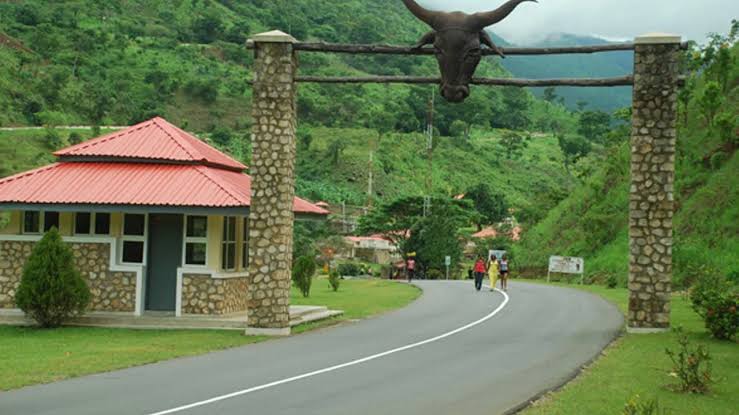
This is not fantasy; it is strategy. A leader’s choice to vacation at home would create ripple effects: increased domestic travel, improved infrastructure, and a shift in global perception. It would signal confidence, patriotism, and a commitment to rebuilding Nigeria’s brand. The presidency has unmatched power to set trends. If the president leads, other politicians, business leaders, and even diaspora Nigerians will follow.
What Nigeria must do: A call to action
The cycle of elite flight will not end without public pressure, legal reform, and a cultural shift. Nigerians must demand accountability, not just in rhetoric but in law. Parliament should consider legislation that requires elected officials to use domestic medical facilities and vacation within the country, except in emergencies. Public officials, after all, draw their salaries from citizens’ taxes and should be obligated to invest in the systems they oversee.
The media and civil society also have a role to play. Investigative journalism must continue to track the costs of these foreign excursions, translating them into terms citizens understand: a presidential vacation equals X number of hospital beds or Y kilometers of repaired roads. Transparency is the first step toward outrage, and outrage fuels reform.
But reform is not enough without citizen participation. Nigerians must reclaim ownership of their country’s narrative. This means supporting domestic tourism, celebrating excellence at home, and holding leaders to account through civic engagement, protest, and ultimately the ballot box. Rigged electoral systems are not impenetrable; history has shown that sustained citizen pressure can force change even in entrenched regimes.
Finally, Nigerians in the diaspora must become advocates for domestic investment. Their influence, resources, and skills are essential in reversing the brain drain and demonstrating that Nigeria can meet world-class standards. The diaspora can serve as a bridge, investing in hospitals, schools, and resorts that challenge the very premise of elite flight.
Conclusion: Leadership by example
Nigeria’s crisis is not only economic; it is psychological. When leaders flee their own country for leisure and healthcare, they broadcast a message of failure. But leadership by example can reverse this tide. A president who chooses to vacation at home does more than save foreign exchange; he sends a message that Nigeria is worth believing in, worth investing in, and worth fighting for.
If Nigeria is ever to rise, its leaders must first show that they believe in it. And if they will not, it is up to citizens to demand better – to vote, protest, legislate, and build until foreign vacations become an embarrassment rather than a badge of privilege for political leaders. The future of Nigeria depends on it.