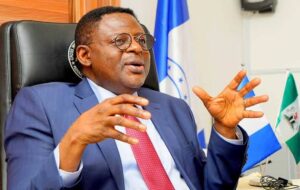
Former member of House of Representatives, Chief Sam Onuigbo
A former federal lawmaker, Chief Sam Onuigbo, has praised the late former President Muhammadu Buhari for his significant contributions to Nigeria’s climate change and petroleum sectors during his eight-year administration.
In an interview with the News Agency of Nigeria (NAN) in Abuja on Friday, Onuigbo highlighted Buhari’s pivotal role in advancing environmental and energy policies.
He noted that Buhari’s signing of the Climate Change Bill into law marked a historic milestone, succeeding where previous administrations had faltered.
Onuigbo, who sponsored the bill in the National Assembly, commended Buhari’s input, which ensured the legislation’s comprehensive scope.
The Climate Change Act led to the creation of the National Council on Climate Change, the federal body tasked with coordinating Nigeria’s climate initiatives.
Onuigbo emphasized Buhari’s commitment to global climate efforts, citing his leadership at international forums like COP 21, where the Paris Agreement was adopted, and COP 22 in Marrakesh, Morocco.
Buhari also signed the Paris Agreement at the 71st United Nations General Assembly, showcasing Nigeria’s dedication to tackling climate challenges.
Onuigbo attributed Buhari’s awareness of climate issues to his experience as governor of the former North Eastern State and his roots in Katsina, a region affected by desertification.
In the petroleum sector, Onuigbo lauded Buhari’s signing of the Petroleum Industry Act (PIA) in 2021, which followed years of legislative delays. The PIA introduced transparent tax and royalty frameworks for petroleum operations, including deep offshore activities, and imposed penalties for gas flaring. It also fosters a competitive and deregulated petroleum market while mandating oil and gas companies to establish Host Communities Development Trusts to support communities impacted by petroleum activities.
Onuigbo’s remarks underscore Buhari’s enduring influence in fostering sustainable development and transparency in Nigeria’s critical sectors. (NAN)