
Football remains the most-watched sport across Africa, and salary rankings of the world’s top players generate as much interest as match results. Fans in Nigeria and South Africa regularly search for updated figures on player earnings, comparing wages across leagues and following how transfer moves affect pay packages. This interest in player finances runs parallel to a growing culture of sports betting, where knowledge of team form, player fitness, and match schedules directly informs wagering decisions. Platforms offering betting services, including access through a bet9ja old mobile application, remain popular among users who prefer a lighter interface for placing bets on football fixtures involving these high-profile athletes.
Understanding Footballer Salaries
Footballer salaries are typically structured around a base wage, performance bonuses, and commercial earnings from sponsorships and image rights. Club wages alone can place a player among the highest earners in world sport, but total income figures published by financial outlets usually combine salary with endorsement deals, making direct comparisons between players complicated. Currency conversion also plays a role, since leagues operate across different countries with fluctuating exchange rates, affecting how salaries are reported in local currencies such as the Nigerian naira or South African rand.
Wage structures vary significantly between leagues. The Saudi Pro League, Major League Soccer, and various European competitions each have different salary caps, tax regulations, and sponsorship models, which explains why players moving between leagues sometimes see dramatic changes in reported income even without a change in on-field performance.
Lionel Messi Salary Breakdown
Few names generate as much search interest as Lionel Messi when it comes to football earnings. Messi’s salary history reflects a career spanning top European clubs and a move to Major League Soccer, with reported figures adjusting significantly at each stage of that journey.
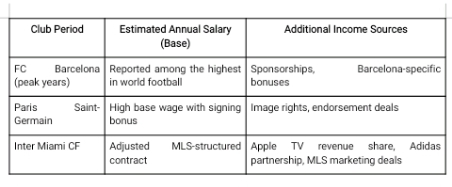
The move to Major League Soccer introduced a different compensation model, blending a fixed salary with revenue-sharing arrangements tied to media partnerships. This structure differs from traditional European contracts, where fixed wages and performance bonuses dominate the compensation package.
Highest Paid Player in the World Rankings
Search interest in the highest paid player in the world spikes whenever new contract details emerge or when annual rich-lists are published by sports business outlets. These rankings typically combine salary, bonuses, and commercial income, producing a composite figure used for global comparisons.
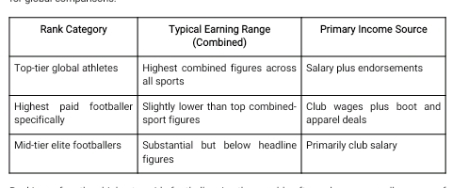
Rankings for the highest paid footballer in the world often place a small group of players—typically those with long-standing sponsorship deals alongside high club wages—at the top of these lists year after year. Rotation within the top positions usually depends on new contract signings, transfer windows, and the expiration or renewal of major endorsement agreements.
Why This Matters to Football Fans in Nigeria and South Africa
Interest in player salaries connects directly to fan engagement with football broadly, including how fans follow team news, transfer rumors, and match previews. This overlaps naturally with sports betting behavior, where awareness of a player’s current club, contract status, and motivation levels can factor into pre-match analysis.
Betting platforms serving Nigerian users have adapted their technology to accommodate a wide range of devices and connectivity conditions. Lightweight application versions, such as the bet9ja old mobile interface, cater to users on older smartphones or those with limited data bandwidth, allowing continued access to match odds and live betting markets without requiring the latest app updates or high-end hardware.
Salary Comparisons Across Football Markets
Comparing salaries across football markets requires accounting for cost-of-living differences, tax rates, and currency stability. A wage that appears modest in one currency can represent substantial purchasing power when converted and assessed against local economic conditions.
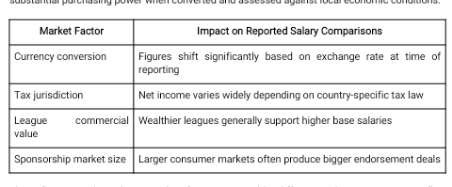
These factors explain why raw salary figures reported by different outlets sometimes conflict, and why fans searching for definitive rankings often encounter varying numbers depending on the source and reporting date.
The Broader Sports Betting Context
Football’s financial ecosystem, including player salaries, sponsorship deals, and transfer fees, indirectly shapes betting markets by influencing odds around team performance expectations. A club investing heavily in top-tier talent is often reflected in shorter odds for that team’s matches, while squads undergoing financial restructuring may see less favorable odds due to perceived instability.
For bettors following leagues where players like Messi have featured prominently, understanding contract timelines and transfer windows can provide useful context alongside statistical form when assessing upcoming fixtures. Betting platforms typically update odds in real time as squad news breaks, making timely access to betting apps valuable during active transfer periods or contract renewal news cycles.
Technical Access and Mobile Betting Trends
Mobile betting access remains central to the sports betting experience across African markets, where smartphone penetration continues to grow steadily. Data costs and device compatibility remain relevant considerations for many users, leading some platforms to maintain older or lighter application versions alongside their primary offerings
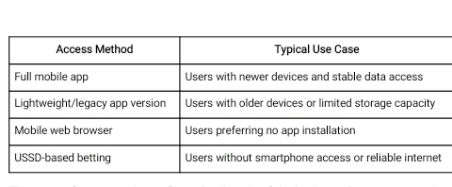
This range of access options reflects the diversity of the betting audience across regions, with platforms adapting technology to serve users regardless of device generation or connectivity constraints.
Conclusion
Salary rankings for footballers such as Lionel Messi continue to attract significant search traffic, driven by ongoing fan interest in how player earnings compare across leagues and career stages. This interest intersects with the broader sports betting landscape, where football news, including financial and contractual developments, informs betting decisions and platform engagement. Mobile accessibility remains a practical consideration within this ecosystem, with lightweight application options continuing to serve users across varying device and connectivity conditions.