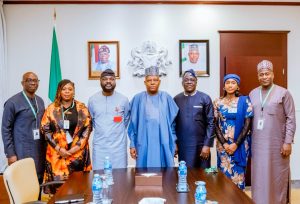
Men across various sectors are stepping up to combat Gender-Based Violence (GBV) as the Male Feminist Nigeria (MFN) Project officially launched in Pankshin, Plateau State on Tuesday.
The initiative, spearheaded by the Kozaki Transformation and Development Foundation, brought together a wide range of stakeholders—including traditional rulers, religious leaders, transport union executives, barbers, and community leaders—united in the goal of engaging men as key allies in promoting gender justice.
The stakeholder engagement meeting marked a pivotal step in expanding the MFN Project across North Central Nigeria.
It emphasized the importance of male involvement in dismantling harmful societal norms and advancing gender equity.
In his remarks, Communications Officer for the MFN Project, Akighir Caleb Akighir, highlighted the urgent need to challenge entrenched patriarchal ideologies.
He noted that negative forms of masculinity not only harm women and girls, but also trap men within rigid and damaging gender roles.
Manfred Akpen, Program Officer of the MFN Project, delivered a keynote presentation titled “ _Becoming a Male Ally: From Conviction to Consistency.”_
He urged men to move beyond token support and instead adopt sustained, meaningful action in their daily lives to promote gender equality.
Participants responded enthusiastically, pledging to serve as ambassadors for male feminism in their communities.
Representatives from transport unions, barbers’ associations, academic institutions, and both religious and traditional councils committed to promoting positive masculinity and challenging violence-supportive behaviors.
Welcoming participants on behalf of Rev. Fr. Isaiah Ter, Executive Director of the Kozaki Foundation, was Rev. Fr. Kashim Basil, Coordinator of JDPC Caritas. The session opened with prayers led by Rev. Fr. Gogwim.
The launch in Pankshin represents a major milestone for the MFN Project, positioning the town as a vital hub in the growing movement for male-led advocacy against gender-based violence in Nigeria. With momentum building, the initiative is set to expand further across the North Central region.