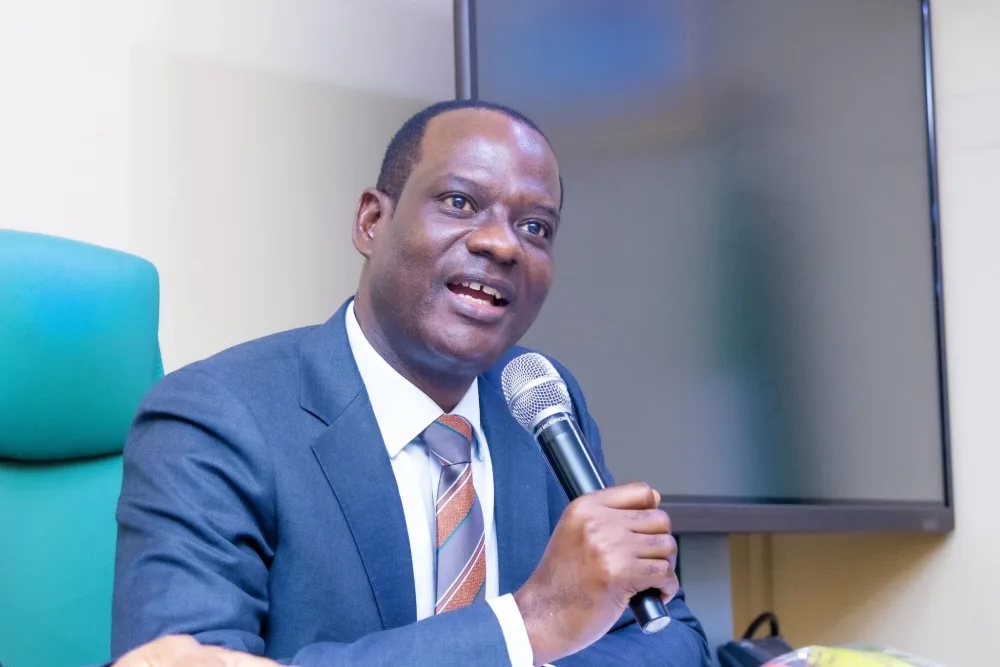
Minister of Finance and Coordinating Minister of the Economy, Mr. Taiwo Oyedele
Nigeria Government has dismissed claims that the administration of President Bola Tinubu borrowed about ₦80 trillion within three years, insisting that the figures being circulated are misleading and largely driven by accounting adjustments rather than fresh loans.
The clarification was made on Tuesday by the Minister of Finance and Coordinating Minister of the Economy, Mr. Taiwo Oyedele, during a briefing before the Senate Committee on Finance on the state of Nigeria’s economy.
The minister was responding to concerns raised by lawmakers over reports suggesting that the Tinubu administration had added about ₦80 trillion to the nation’s debt burden, despite inheriting a public debt estimated at ₦75 trillion.
Oyedele explained that the increase in Nigeria’s debt profile was largely the result of the depreciation of the naira, which significantly raised the naira value of the country’s external debt, as well as the securitisation of existing obligations.
According to him, Nigeria’s debt is officially reported in naira, meaning fluctuations in the exchange rate automatically affect the total value of foreign-denominated debt.
“When this administration came into office, public debt was around ₦75 trillion. Many people simply compare that figure with today’s debt stock and conclude that this government has borrowed massively.
“However, following the reforms and the depreciation of the naira, the foreign currency component of our public debt had to be revalued because Nigeria reports its debt in naira. That accounting adjustment alone added more than ₦40 trillion to the public debt figure,” he said.
The minister further told the committee that another major contributor to the increase in the debt stock was the securitisation of the Ways and Means advances approved by the National Assembly.
He said the process added about ₦33 trillion to the country’s public debt but stressed that the amount was not new borrowing. Instead, he described it as existing liabilities that were formally recognised and captured in the government’s debt records.
Despite the explanation, members of the Senate Committee on Finance expressed dissatisfaction over the implementation of the capital component of the 2026 budget, raising concerns about the pace of execution of key development projects.