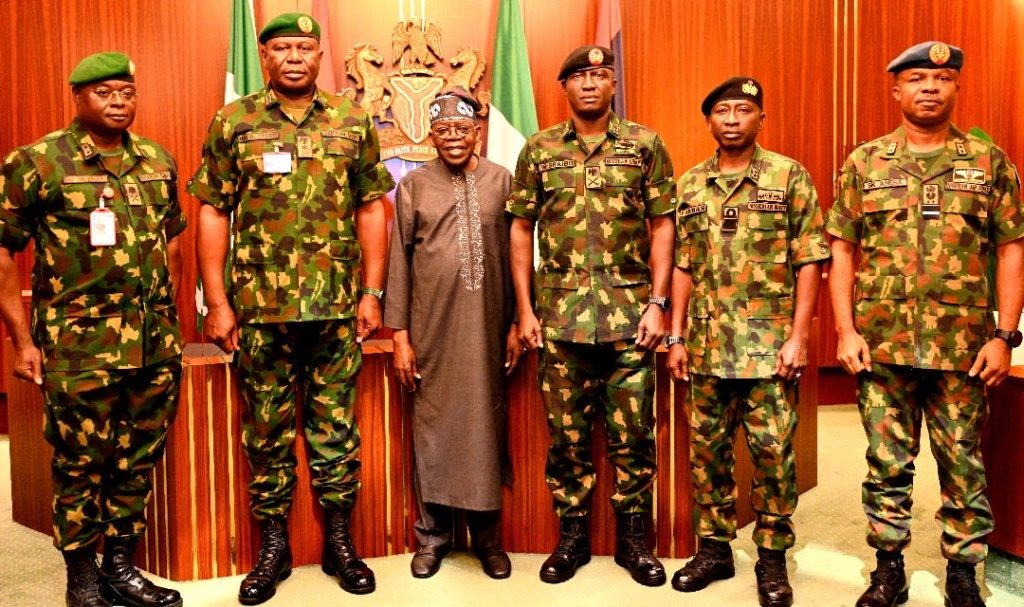
From Left: Chief of Defence Intelligence, Maj. Gen. Emmanuel Undiandeye; Chief of Defence Staff, Lieutenant General Olufemi Olatubosun Oluyede; President Bola Ahmed Tinubu; Chief of Army Staff, Major General Waidi Shaibu; Chief of Naval Staff, Rear Admiral Idi Abbas and Chief of Air Staff, Air Vice Marshal Sunday Aneke, during the president's audience with the newly nominated Service Chiefs at the Presidential Villa, Abuja, on Monday.
Senate on Wednesday confirmed the appointments of Nigeria’s new Service Chiefs, following their nomination by President Bola Tinubu.
According to the News Agency of Nigeria (NAN), those confirmed include General Olufemi Oluyede as Chief of Defence Staff, Major-General Waheedi Shaibu as Chief of Army Staff, Air Vice Marshal Kennedy Aneke as Chief of Air Staff, and Rear Admiral Idi Abbas as Chief of Naval Staff.
In a letter addressed to the President of the Senate and read during plenary on October 27, President Tinubu urged lawmakers to give the nominations speedy consideration.
He explained that the appointments were part of a “strategic realignment” aimed at improving professionalism, morale, and inter-agency coordination within the armed forces.
*Navy to deploy drone technology for coastal security*
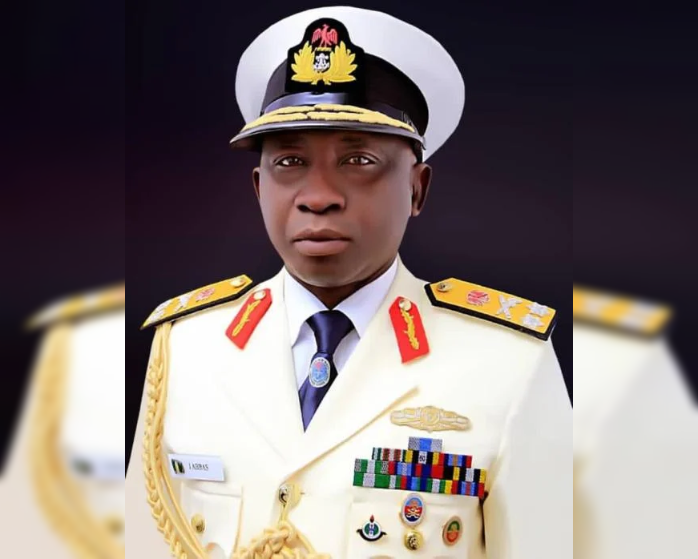
During his screening, the new Chief of Naval Staff, Rear Admiral Idi Abbas, disclosed plans to integrate advanced surveillance technology, including drones, to enhance maritime operations and combat criminal activity along Nigeria’s waterways.
“We already have structures in place to curb maritime crimes, but I intend to incorporate more technology, especially drones,” Abbas said.
“Some of our patrols do not yield expected results because of the nature of the terrain, and resources are often wasted on fuel. Using drones will allow us to monitor these areas more effectively.”
He added that a Special Operations Command has been established in Makurdi, Benue State, to strengthen patrols and response operations between Benue and Lokoja.
On the proposed creation of a separate Coast Guard, Abbas argued that the Nigerian Navy already performs those duties.
“Creating another agency would only duplicate functions. Instead, funds meant for establishing a new Coast Guard should be redirected to strengthen the Navy’s operational platforms and logistics,” he said.
Abbas also noted that the Navy has made progress in curbing crude oil theft by restricting the use of large offshore tankers previously used for illegal operations.
“Most of the illegal activities occur in hard-to-reach areas, but with the use of drone technology, we can monitor and stop them more effectively,” he added.
On deradicalisation programmes, Abbas said the idea was commendable but must be implemented with empathy.
“Deradicalising repentant criminals is a good idea, but we must also think of the moral burden. Families who lost loved ones to these criminals should be consulted before amnesty is granted,” he cautioned.
He reaffirmed the Navy’s dedication to its Total Spectrum Maritime Strategy, designed to tackle threats such as piracy, oil theft, kidnapping, and banditry.
“The challenges we face cannot be solved by the military alone. It requires a whole-of-society approach,” Abbas concluded.
*Defence chief urges collective effort in national security
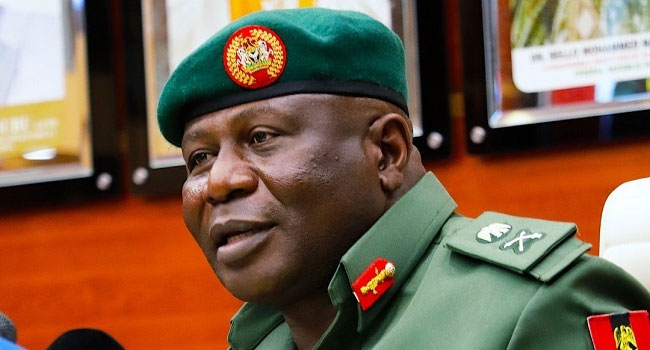
The newly appointed Chief of Defence Staff, General Olufemi Oluyede, reflected on his time as Chief of Army Staff, describing it as one of the most demanding but fulfilling periods of his career.
“My tenure was quite challenging. Though we made significant progress in securing the country, there is still room for improvement. Security is not a task for the military alone — it requires the cooperation of every Nigerian,” he said.
Oluyede emphasized that addressing Nigeria’s security challenges demanded “experience, sleepless nights, and unwavering focus,” stressing the need to build indigenous defence capacity to tackle threats ranging from terrorism to cybercrime.
He also warned against misinformation, saying poor information management could aggravate insecurity.
Senate Urges Loyalty, Accountability, and Professionalism
Deputy Senate President Jibrin Barau urged the new Service Chiefs to uphold loyalty to the President and the Constitution.
“We urge all the nominees to be loyal to the Commander-in-Chief, and loyal to our Constitution,” Barau said. “We are sure that with you, and the zeal of Mr. President to bring total security to this country, the goal will be achieved.”
Senate President Godswill Akpabio described the confirmation process as a constitutional duty meant to ensure only the most capable officers are entrusted with Nigeria’s security.
“The screening is part of our constitutional duty. It is aimed at ensuring that only the most competent and patriotic officers are entrusted with safeguarding the nation,” Akpabio stated.
He added that the National Assembly would continue to play its oversight role to ensure professionalism, discipline, and accountability within the armed forces.
NAN