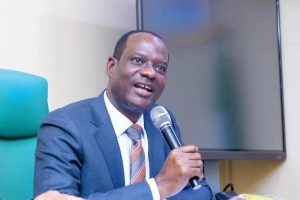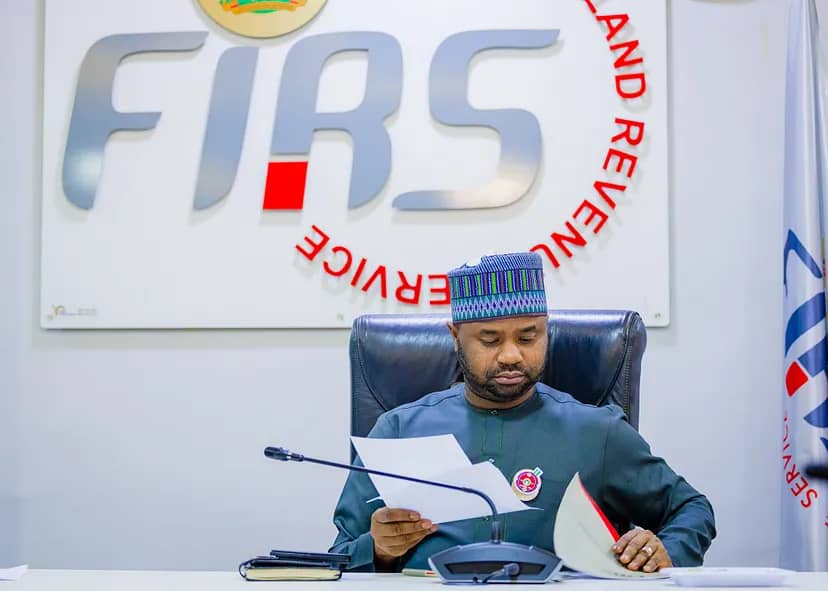
FIRS Chairman, Zacch Adedeji
Chairman of the Federal Inland Revenue Service (FIRS), Dr. Zacch Adedeji, has attributed Nigeria’s unprecedented surge in revenue to sweeping fiscal reforms championed by President Bola Tinubu led administration.
Speaking to journalists at the State House in Abuja, Adedeji revealed that the federal government recorded N3.64 trillion in revenue for September 2025, a staggering 411% increase compared to N711 billion in May 2023.
“This historic growth reflects the impact of bold fiscal reforms and a shift towards a more diversified revenue base,” he said.
A major highlight, according to Adedeji, is the exponential growth in non-oil revenue, which jumped from N151 billion to N1.06 trillion in just two years — a key indicator of Nigeria’s reduced dependency on crude oil earnings.
Oil revenue also climbed to N644 billion, while Value Added Tax (VAT) collections tripled to N723 billion, a development Adedeji credited to heightened compliance and enhanced tax administration across various sectors.
“These gains stem from reforms that simplify taxation, ease pressure on small businesses, and integrate digital compliance systems like e-invoicing and modern excise regulations,” he said.
Looking ahead, he disclosed that a presumptive tax regime is in the works to bring hard-to-tax sectors into the formal tax net. Additionally, efforts are underway to harmonise state-level taxes to further broaden the revenue base.
“Our goal is to build a fair, efficient, and sustainable tax system that supports growth and boosts investor confidence,” Adedeji emphasized.
Addressing concerns over public debt, he confirmed that unapproved Ways and Means advances from the Central Bank have now been halted. The existing advances have been restructured as federal debt, with repayments already underway.
“The debt is now collateralised. Both principal and interest are being repaid, ensuring exchange rate stability and system confidence,” he said.
Responding to worries over borrowing, Adedeji described it as a legitimate economic tool when managed responsibly and directed at productive sectors.
“Borrowing funds infrastructure that generates future tax revenues from beneficiaries. This is a sustainable approach for long-term development,” he explained.
He further revealed that reforms targeting Personal and Company Income Taxes will kick off in January 2026, forming part of a broader strategy to cut reliance on borrowing and strengthen Nigeria’s fiscal resilience.
“These reforms are laying the groundwork for sustainable economic growth,” Adedeji concluded.
NAN