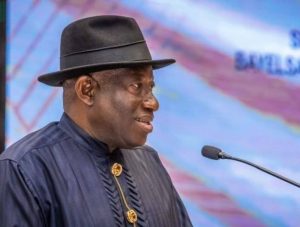
US President, Donald Trump
In a bold move to safeguard U.S. national security, President Donald J. Trump has expanded the controversial travel ban to include 12 additional countries, including Nigeria, Syria, and Burkina Faso.
This new proclamation targets nations that have shown persistent weaknesses in information-sharing and vetting processes, further tightening entry restrictions for nationals from these regions.
The expanded ban now encompasses countries with a history of inadequate governance, high rates of visa overstays, and security concerns. Previously restricted nations such as Afghanistan, Iran, and Somalia remain on the list, with the new additions—Nigeria, Syria, Burkina Faso, and others—aimed at strengthening U.S. efforts to combat terrorism and ensure public safety.
The updated policy also maintains partial restrictions on countries like Cuba, Togo, and Venezuela while lifting the visa ban for Turkmenistan, which has shown improvement in cooperation with the U.S. Despite this, immigrant entry from Turkmenistan remains restricted.
Exemptions are provided for individuals with current visas, permanent residents, diplomats, and those whose entry serves U.S. national interests. Additionally, family-based visa exceptions have been narrowed to reduce fraud, with waivers considered on a case-by-case basis.
The expanded travel ban reflects Trump’s ongoing commitment to improving U.S. immigration security and foreign policy goals, building on the travel restrictions upheld by the Supreme Court during his first term. By targeting nations that cannot sufficiently vet their citizens, the U.S. aims to reduce risks and encourage global cooperation in tackling terrorism and strengthening international security practices.
The move has sparked debate, with critics arguing that the policy unfairly targets specific countries and ethnic groups, while supporters emphasize its role in protecting U.S. citizens from potential threats.